The BMC Standing Committee has approved the Gargai Dam project at a revised cost of ₹5,051 crore, a significant escalation from the original estimate of ₹3,006 crore. This decision, made by a majority vote, has faced opposition citing substantial cost increases and environmental impacts, including the felling of over 300,000 trees.
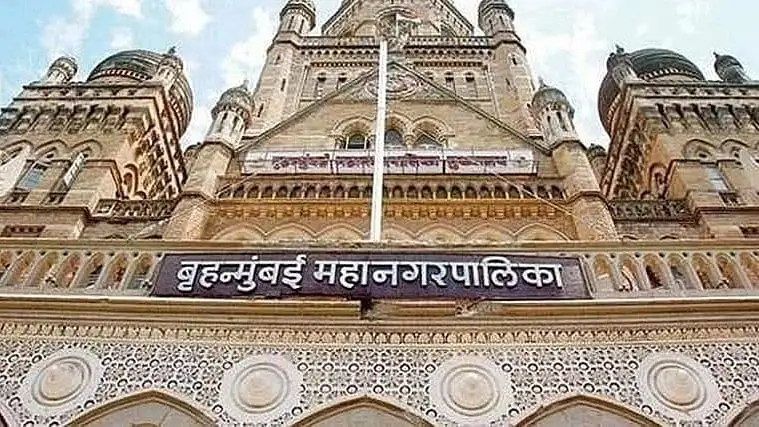
The project's revised cost, including taxes, stands at ₹5,051 crore, a stark jump from the initial ₹3,006 crore (excluding taxes), which has now risen to ₹3,065 crore. The committee had previously stalled the project on March 11 due to these price escalations and environmental considerations, demanding explanations from the administration. Despite a proposed cost reduction of ₹345 crore in a fresh proposal, the final approved cost remains significantly higher than the original outlay.

Opposition Highlights Concerns
Shiv Sena (UBT) and Congress corporators have voiced strong opposition.
Yashodhar Phanse of Shiv Sena (UBT) advocated for prioritizing desalination plants, which could supply 400 MLD of water within two years, contrasting with the Gargai Dam's uncertain environmental clearance status.
Congress leader Ashraf Azmi questioned the cost escalation, arguing there's no tangible progress on the ground. He also warned that the project cost could spiral further, potentially reaching ₹7,000 crore.
Yashwant Killedar of the Maharashtra Navnirman Sena (MNS) stated that while his party isn't inherently opposed to the project, the magnitude of the cost increase is a significant issue. He, too, suggested exploring desalination as a more viable alternative with a clearer implementation timeline.
Environmental and Rehabilitation Issues
The Gargai Dam project is projected to necessitate the felling of approximately 310,000 trees in the Palghar district. Proposed compensatory afforestation and rehabilitation efforts are slated to occur across 658 hectares in districts like Chandrapur, Hingoli, and Washim. Villagers affected by the project are proposed to be relocated to Devali in Wada taluka. Concerns have been raised about the environmental degradation associated with tree removal and the distant locations planned for compensatory afforestation.
Read More: Two building collapses in India kill 6 people
Project's Significance and Next Steps
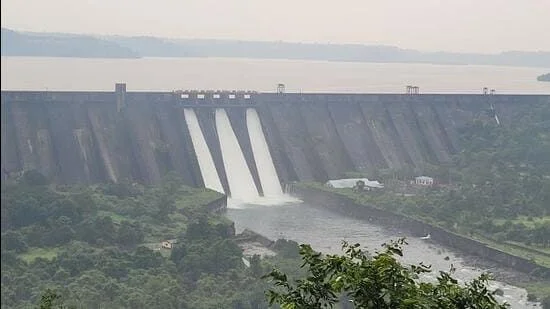
Proponents of the Gargai Dam project argue it is crucial for augmenting Mumbai's rising water demand. The dam, once commissioned, is expected to add 440 million litres a day to the city's water supply. This would be Mumbai's first new reservoir since the Middle Vaitarna became operational in 2014. To address the delays in land acquisition and rehabilitation, the BMC has proposed setting up a special land acquisition cell, comprising 10 officers, including additional collectors, deputy collectors, and tehsildars.
Background
The Gargai Dam project, located in Palghar district, has been a recurring subject of debate within the Brihanmumbai Municipal Corporation (BMC) due to its escalating costs and environmental implications. The project aims to enhance Mumbai's water security by creating a new reservoir. However, it has repeatedly faced scrutiny over budget overruns and the environmental impact, particularly the large-scale felling of trees and the subsequent rehabilitation and compensatory afforestation plans. The decision to approve the project despite significant opposition highlights the ongoing tension between the city's need for water and the environmental and financial concerns raised by various political factions and environmental advocates.
Read More: Mumbai Red Alert July 2026 Causes School Closures and Train Delays