Tehran, Iran – July 4, 2026 – Official funeral ceremonies for Ayatollah Ali Khamenei, Iran's supreme leader, commenced today, marked by a public display of mourning and a projected image of national unity. The state-sponsored event, beginning at Tehran's Grand Mosalla, is slated to span several days and locations, culminating in a burial on July 9th in his hometown of Mashhad.
The protracted schedule, stretching from an initial announcement in June to a July 4th start and a July 9th burial, highlights the complexities and potential underlying factors behind the extended delay of Khamenei's final rites, a period encompassing over four months since his death on February 28th.
The ceremonies are being presented by Iranian authorities not merely as a commemorative occasion, but as a significant demonstration of the Islamic republic's strength and resilience, particularly in the aftermath of the recent US-Israeli conflict. State television has dedicated extensive programming to documentaries on Khamenei's life, underscoring the regime's effort to shape the narrative surrounding his legacy.
Read More: Taiwan Holds Nantou County Drills to Prepare for State Collapse
The funeral procession is designed to traverse key cities, with ceremonies planned in Qom on July 7th and extending to Shia holy sites in neighboring Iraq. This nationwide and regional outreach underscores the intended scope and impact of the proceedings. Officials, including Parliament Speaker Mohammad Bagher Ghalibaf, have been visibly engaged, projecting a united front during this period.
The timing of the funeral arrangements has also coincided with reported diplomatic overtures. US President Donald Trump has alluded to potential separate agreements with Iran, suggesting a backdrop of continuing efforts to stabilize relations following the conflict.
Khamenei, who was 86 years old, was killed in what Iran described as US-Israeli airstrikes on his compound. This event marked the opening day of the war. The postponement of his burial, initially anticipated for March, underscores the protracted nature of the conflict and its impact on domestic affairs.
Read More: Iran Zagros Mountain Nuclear Site Construction Update April 2026

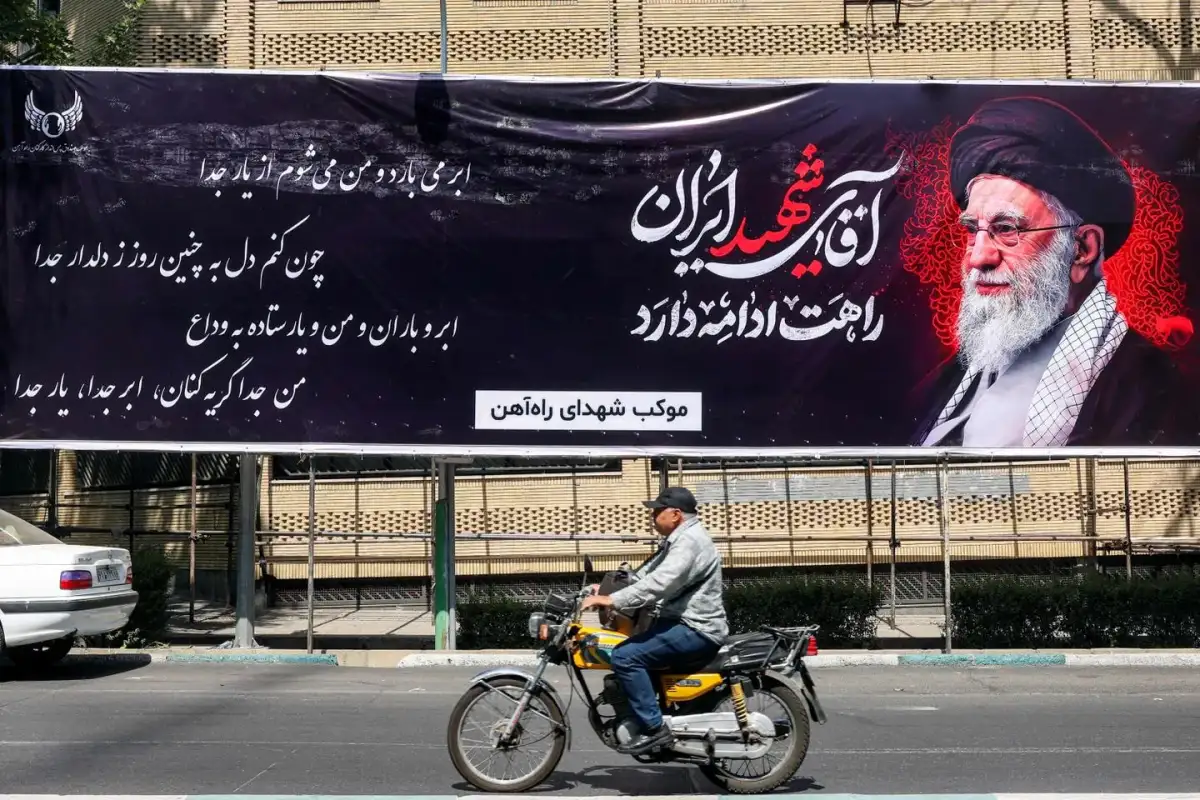
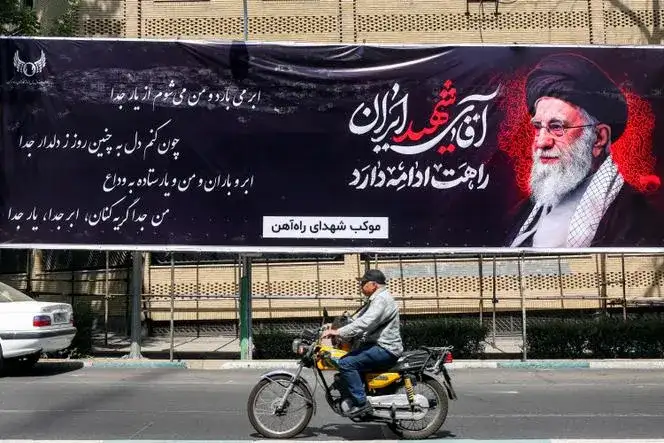
Preparations in Tehran have included the closure of several major roads, contributing to the capital's already considerable traffic congestion. Large portraits of Khamenei have been erected in prominent locations, serving as visual markers of the official mourning period. The event is anticipated to draw millions of mourners from within Iran and from abroad.
The leadership's handling of the funeral is viewed as more than a ritualistic event; it is being framed as a pivotal moment for the country's new leadership to assert authority and national cohesion. The inclusion of family members in the burial arrangements has also been noted.
Read More: FBI Analysts Review Georgia 2020 Election Data in Fulton County

The specific reasons for the extended delays beyond the immediate impact of the conflict remain a subject of implicit speculation, interwoven with the diplomatic backdrop and the regime's strategic positioning.
Keywords]: [Ayatollah Ali Khamenei funeral, Iran state strength, US-Israeli airstrikes, funeral delays, diplomatic breakthroughs, national unity