Keir Starmer, Prime Minister, is weathering a storm of dissent within his own Labour Party. Following a series of dismal electoral results, including significant losses in local elections and a concerning surge for Reform UK, a wave of resignations has rocked his government. This exodus is spearheaded by prominent figures, including Health Secretary Wes Streeting, a key rival, who has explicitly stated he has "lost confidence" in Starmer's leadership and believes Starmer "will not lead the Labour Party into the next general election."
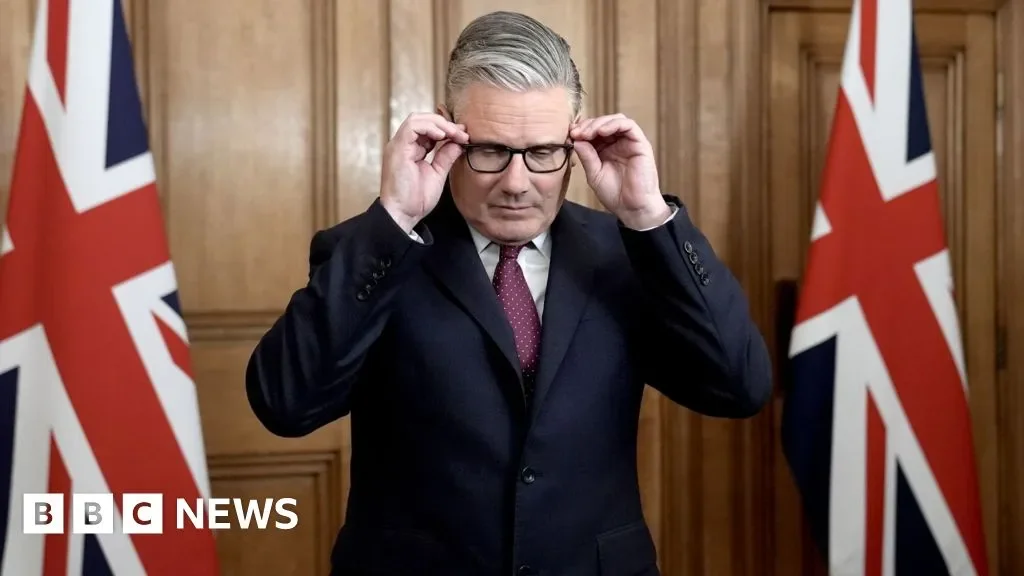
The pressure on Starmer intensified earlier this week with the resignations of four government members and scores of Labour MPs calling for his immediate departure or a clear timetable for his exit. Nearly 90 Labour MPs have publicly urged Starmer to step down. These defections signal a deep fracturing within the party, with many attributing the recent electoral failures to Starmer's perceived leadership shortcomings.
Read More: Taiwan Holds Nantou County Drills to Prepare for State Collapse
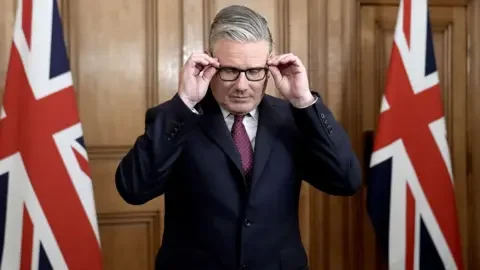
Internal Uprising Escalates
The defections are not isolated incidents. Wes Streeting, previously seen as a potential successor, has resigned from his cabinet post, explicitly citing his loss of confidence in Starmer's ability to lead the party into the next general election. Streeting's camp claims to possess the requisite support from 81 Labour MPs to trigger a formal leadership contest, although Streeting himself has called for a broader "debate about what comes next."
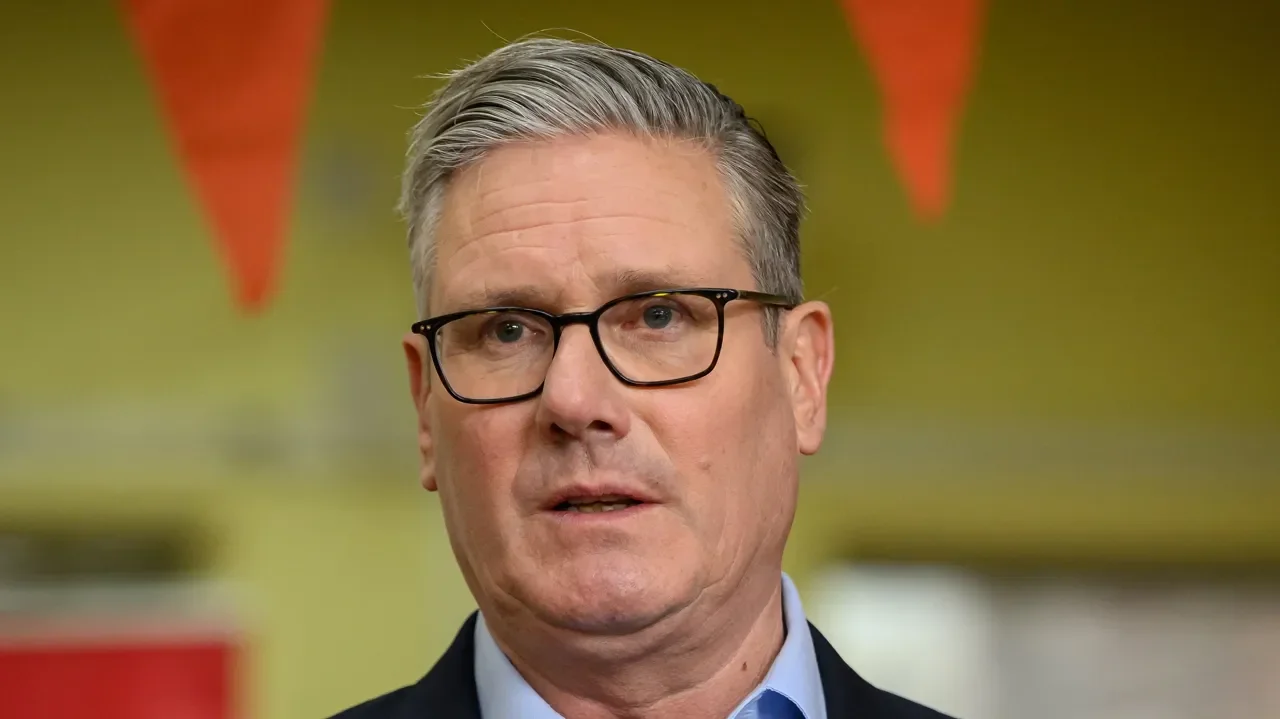
Further complicating the political landscape, Labour MP Josh Simons is stepping down to trigger a by-election. This move is widely seen as an orchestrated attempt to facilitate the return of Andy Burnham, the Greater Manchester mayor, to Parliament. Burnham has confirmed his intent to seek permission from Labour's National Executive Committee (NEC) to stand in the Makerfield by-election, a step that would position him as a significant contender for party leadership. Downing Street has indicated it will not obstruct Burnham's candidacy.
Read More: Pressure Washer Mistakes Cost UK Owners More Money
Meanwhile, Chancellor Rachel Reeves has echoed Starmer's warnings, asserting that any leadership contest would "plunge the country into chaos." This statement underscores the internal anxieties about party stability amidst the mounting challenges.
broader Political Fragmentation
The internal turmoil within Labour occurs against a backdrop of broader political fragmentation. Recent local election results saw the party suffer significant setbacks, including losing control of Essex and Suffolk counties. In Scotland, the Scottish National Party (SNP) is claiming victory, with Labour relegated to third place in preliminary results. These outcomes reflect a wider trend of political fragmentation observed across Britain and Europe, exacerbated by economic stagnation, a rising cost of living, and global conflicts.
Starmer, 63, has seen his popularity wane in recent months. His political positioning, marked by a refusal to align too closely with trade unions and a denouncement of climate activist disruptions, has been a point of contention. His approach has been described as a strategic attempt to cultivate a persona befitting a potential Prime Minister, distancing himself from more radical elements within the party.
Read More: FBI Analysts Review Georgia 2020 Election Data in Fulton County
Background: A Leader Under Scrutiny
The current crisis follows a period of intense scrutiny for Keir Starmer. His leadership has been characterized by attempts to redefine the Labour Party's image and policy platform, aiming to appeal to a broader electorate. However, this has alienated some traditional Labour supporters and trade unions. Despite promises to reform strike laws, Starmer has refrained from committing to significant increases in social welfare benefits, a stance that has drawn criticism. His earlier diplomatic efforts, such as presenting a football jersey to French President Emmanuel Macron during a meeting, highlighted his attempts to establish his stature on the international stage, though such gestures were met with mixed reactions. The recent electoral disappointments and the subsequent internal revolts now cast a significant shadow over his premiership and the future direction of the Labour Party.