A notable slowdown in the rate of price increases has been observed recently, primarily due to a decrease in fuel costs and more moderate growth in housing expenses. This easing of inflationary pressures offers some financial relief to consumers who have experienced significant cost hikes over the past few years. Economists suggest that continued moderation in wage growth could further support this downward trend in inflation throughout the coming year.
Context and Timeline
Several recent reports indicate a downward shift in inflation rates across different regions.

United States: A key inflation measure in the US reached a nearly five-year low in the most recent reporting period. This decline was influenced by slowing rental price growth and falling gasoline prices.
United Kingdom: In January, the UK's inflation rate fell, though it's important to note that prices are still increasing, albeit at a slower pace. The headline inflation figure reached 3%.
This recent trend contrasts with earlier periods of sharper price increases. The expectation of lower inflation has influenced financial markets, leading to a decline in the yield on the 10-year Treasury note, which often impacts mortgage rates.
Evidence of Inflationary Slowdown
Data points from various sources confirm the observed decrease in inflation.
Read More: Goldman Sachs predicts 15 million US jobs lost to AI by 2036

United States: The Personal Consumption Expenditures (PCE) price index, a primary inflation gauge, showed a significant slowdown. The slowing of apartment rental prices and a drop in gas prices were cited as major factors. Additionally, slower wage growth has been noted.
United Kingdom: In January, the transport and food and non-alcoholic beverages sectors saw the largest downward contributions to the inflation rate.
The most recent inflation figures indicate a notable deceleration in price increases across major economies.
Contributing Factors to Declining Inflation
Several specific economic elements are contributing to the recent dip in inflation.

Lower Fuel Prices
A consistent theme across reports is the impact of falling gasoline prices.
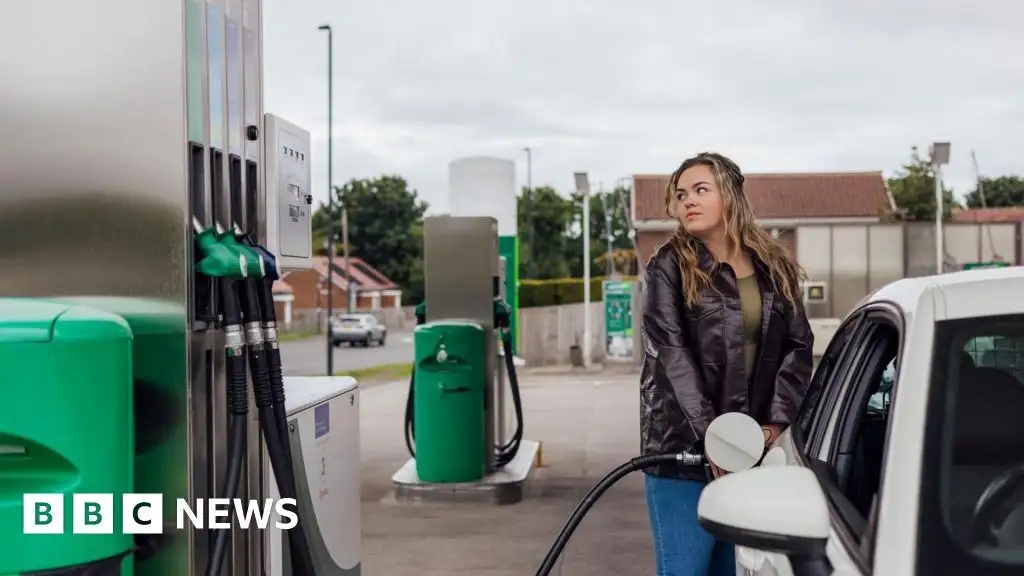
Gas prices have dropped, directly contributing to a cooling of overall inflation. This is highlighted as a significant factor in both US and UK inflation reports.
While falling gas prices offer immediate relief, their future trajectory remains a subject of market observation.
Moderating Housing Costs
The pace of rent increases has also slowed, playing a role in reducing inflationary pressures.

Apartment rental price growth has decelerated.
This cooling in housing costs, combined with lower energy prices, presents a more stable cost of living.
Wage Growth and Economic Policy
Slower wage growth is also seen as a factor in easing inflation.
More modest wage increases can reduce inflationary pressures, as companies may face less need to raise prices to cover higher labor costs.
However, some government policies, such as higher minimum wages and increased national insurance contributions, are noted as potential risks that could affect retailers' ability to control future price increases in the UK.
The interplay between declining energy prices, moderating housing costs, and slower wage growth appears to be the primary driver of recent inflation declines.
Expert Analysis and Outlook
Economists and financial experts offer varying perspectives on the current inflation trends and their future implications.
"More modest wage growth is a big reason that many economists expect inflation to continue easing this year." - PBS Newshour
Interest Rate Expectations: The decline in inflation is increasing expectations for central banks to cut interest rates.
In the UK, there is an approximately 80% chance that the Bank of England will reduce its interest rate in March, with some policymakers potentially waiting for slightly more evidence of easing inflation before making a decision in either March or April.
The yield on the 10-year Treasury note in the US has declined, anticipating potential rate cuts by the Federal Reserve.
Lingering Concerns: Despite the positive trend, some economists caution against assuming this rate of decline will persist indefinitely.
"Trump has also said that duties on pharmaceutical imports will be imposed. Consumers will likely see some prices rise because of the existing duties, including the massive tariffs on China. This is increasing taxes on U.S. consumers." - Fortune
Concerns exist regarding potential future price increases driven by government policies, such as tariffs on imports. The imposition of duties on goods, including pharmaceuticals and products from China, could lead to higher consumer prices.
While a 90-day pause on some duties was implemented, the long-term impact of such trade policies remains a point of observation.
Experts largely agree that current data suggests a continued easing of inflation, potentially leading to interest rate cuts. However, potential policy-driven price increases remain a point of uncertainty.
Read More: New ways to measure AI's impact on jobs and economy
Conclusion and Implications
The recent decline in inflation, largely driven by lower fuel prices and a cooling of housing costs, offers a measure of financial relief. This trend has prompted expectations of potential interest rate cuts by central banks.
Key Drivers: Falling gas prices and slower rental growth have been instrumental in reducing the overall inflation rate.
Economic Outlook: Many economists anticipate that inflation will continue to ease, supported by more moderate wage growth.
Future Uncertainties: The potential impact of government policies, such as tariffs, on future price levels remains a concern. Retailers, particularly in sectors like luxury goods, are absorbing some costs to maintain pricing, impacting their profit margins.
Policy Responses: The data is likely to influence monetary policy decisions, with central banks evaluating the appropriate timing for interest rate adjustments.
The current economic landscape shows a positive deceleration in price increases, but ongoing observation is necessary to gauge the sustainability of this trend amidst various influencing factors.
Sources Used:
PBS Newshour: "Inflation measure falls to nearly five-year low as gas prices fall and housing costs cool" - Published 4 days ago. https://www.pbs.org/newshour/economy/inflation-measure-falls-to-nearly-five-year-low-as-gas-prices-fall-and-housing-costs-cool
BBC News: "UK inflation falls to 3% in January" - Published 9 hours ago. https://www.bbc.com/news/articles/c5yg04jg1n5o
NPR: "Falling gas prices are helping to cool inflation" - Published Nov 14, 2023. https://www.npr.org/2023/11/14/1213008531/falling-gas-prices-are-helping-cool-inflation
Fortune: "Inflation cooled last month, but ‘don’t get used to it’: Trump’s tariffs may drive prices even higher, economists warn" - Published Apr 10, 2025. https://fortune.com/2025/04/10/inflation-consumer-prices-economy-trump-tarrifs-gas-airline-hotels/