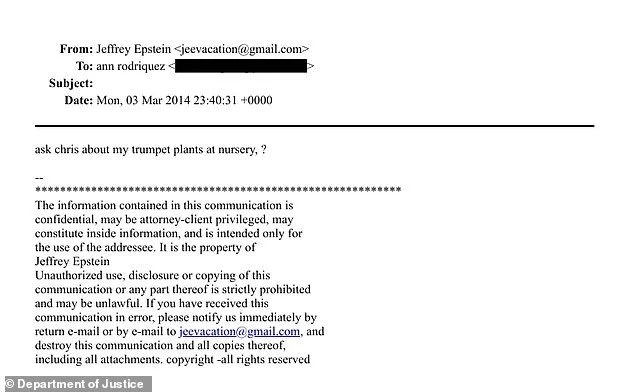
New evidence from the private files of Jeffrey Epstein has brought a disturbing detail to the public eye. Files from his personal email accounts suggest he grew and studied plants known to produce a drug called scopolamine. This drug, often found in "Angel’s Trumpet" flowers, is known to make people lose their ability to say no and can erase their memories of what happened while they were drugged.
The discovery comes from a large group of emails recently made public. These messages show that Epstein was not just aware of these plants but may have had them in a "secret garden." The stakes are high for investigators and survivors, as this evidence might explain how victims were kept under control without using physical force. The documents suggest a plan to use nature as a tool for crime.
Read More: Third Teen Charged in Fatal Stabbing Near Melbourne Hospital on Wednesday
Timeline and Key Figures
The investigation into Jeffrey Epstein’s digital life has revealed a long history of planning and social connections.
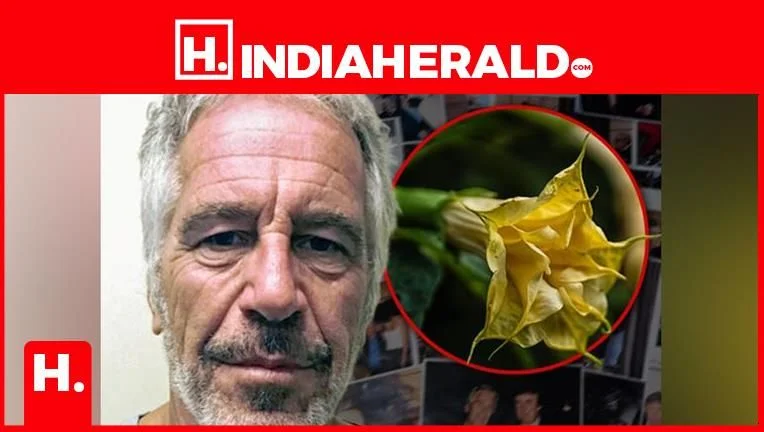
The Actor: Jeffrey Epstein, a wealthy man previously convicted of sex crimes, is the central figure. He died in jail in 2019, but his files are still being studied.
The Partners: Ghislaine Maxwell and a network of unnamed associates are mentioned in the emails.
The Timeline:
2015–2018: The years when many of these emails were sent.
September 2025: Investigators find a large number of emails from a personal Yahoo account.
Early 2026: Specific details about the "zombie drug" and toxic plants are reported to the public.
The events center on Epstein’s interest in the Brugmansia and Datura plant species. These plants are beautiful but carry a dangerous secret in their seeds and leaves.
Evidence Found in the Files
The proof for these claims comes from internal emails and reports from security staff.
"I gave him a LOT of that scopolamine!" — An email from a driver describing an interaction with an individual under the influence.
Email Content: One email sent to Epstein contained an article explaining how scopolamine works and which plants produce it.
Physical Effects: Reports in the files describe people experiencing "memory loss" and "extreme sleepiness."
The "Safe" Incident: Security notes show a person under the drug's influence wandered back to a hotel, took a card from a safe, and left again without fully knowing what they were doing.
Scientific Facts: The plants, also called "Devil's Breath," are known to cause a state where a person follows any order they are given.
| Plant Name | Chemical Found | Reported Effect |
|---|---|---|
| Angel’s Trumpet (Brugmansia) | Scopolamine | Loss of free will, memory gaps |
| Jimsonweed (Datura) | Hyoscyamine / Scopolamine | Hallucinations, confusion |
The core finding is that Epstein possessed information on, and likely grew, plants that can turn a person into a "zombie" who cannot fight back.
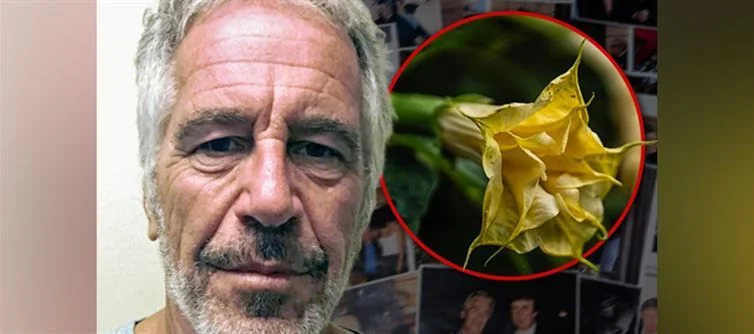
The Nature of the "Angel’s Trumpet"
The plants mentioned, specifically the Angel’s Trumpet, are not typical garden flowers. They are highly toxic. Scientists say that even a small amount can cause someone to lose their sense of reality.
The emails suggest that Epstein was interested in the "antimuscarinic" effects of these plants. This is a technical way of saying the drug blocks certain signals in the brain. Is it possible that these plants were grown specifically to provide a drug that leaves no trace in the blood after a short time? While the plants were present, the files do not yet show a written "order" to drug a specific victim, but the presence of the plants alongside descriptions of drugged behavior raises many questions.
Read More: US 250th Anniversary: Pride Divided by Politics
Email Discussions of Control
The emails from 2017 and 2018 show a pattern of looking for specific types of people. Senders would describe young women as "diligent" or "not ambitious."

In one exchange, a sender tells Epstein they found "3 very good young poor" people. These descriptions, combined with the talk of mind-altering plants, suggest an environment where control was the main goal.
Some view these emails as proof of a chemical tool used to manage victims.
Others argue that Epstein may have just had an interest in strange science and toxic things, without proving he used them every time.
The documents do not show a "winner" in this debate, but they do show that Epstein was sent very specific information on how to take away a person's free will using these plants.
Read More: Three hearses burned in Roselands arson attack on 4 April 2026
The Mystery of the Unnamed Senders
Many names in the files are still hidden or "redacted." This means the public cannot see who was talking to Epstein about these drugs.

The Conspiracy View: Some believe the names are hidden to protect powerful people who also used these drugs.
The Legal View: The government says it hides names to protect the privacy of people who might not have done anything wrong.
The files show that Epstein stayed in touch with world leaders and famous thinkers, like Noam Chomsky and Howard Lutnick. While these men are not linked to the "zombie drug," their presence in the files shows that Epstein was part of a very high social circle while he was looking into these toxic plants.
Expert Analysis
Experts who have studied the files say the detail of the "zombie drug" is one of the most chilling finds yet.
Investigative insight from Bloomberg and CNN reports:
"The emails show a level of planning that goes beyond simple bad behavior. It shows an interest in the science of how to break a human's will."
Analysts point out that scopolamine is often used in crimes in other parts of the world to rob people because the victims cannot remember the faces of the criminals. By having these plants in a private garden, Epstein had a source for a drug that is very hard for police to find in a person's body after the fact.
Read More: Senate Passes Immigration Bill: What Happens Next for Border Security?
Findings and Implications
The investigation into the Epstein files has confirmed that he had a deep interest in toxic plants that cause memory loss.
Key Finding: Epstein received articles on scopolamine and his associates discussed its use in emails.
Implication: This suggests that victims may have been drugged with "natural" substances to make them easier to control and to ensure they could not tell the police what happened.
Uncertainty: It is not yet clear how many people were affected or if the drug was used on his private island or in his city homes.
The next steps for investigators will involve looking at the "redacted" names to see who else was involved in the "secret garden" or the use of these chemicals. The truth about how much "free will" was taken from the victims is still being uncovered.
Sources Used
Daily Mail: Epstein grew mind-controlling plants that turn people into 'zombies' - Reported on the Yahoo email leaks and scopolamine.
The Sun: Epstein kept plants that produce untraceable 'zombie drug' - Details on the hotel incident and the card from the safe.
LiveMint: Jeffrey Epstein kept toxic ‘trumpet plants' to hallucinate victims - Context on the Brugmansia genus and the science of the drug.
India Herald: Epstein’s Secret “Zombie Drug” Garden Exposed - Analysis of the 'Zombie Drug' angle in the latest file release.
Bloomberg: Inside Our Investigation of Jeffrey Epstein’s Personal Yahoo Account - Overview of the 2025 investigation into the digital records.
CNN Politics: 13 controversial redactions from the Epstein files - Information on the descriptions of women and the hidden names.
The Guardian: The Epstein files reveal that a vast global conspiracy actually exists - Details on the social ties and the typo-filled private messages.

/cloudfront-ap-southeast-2.images.arcpublishing.com/nzme/RVI7RFHOI34HTKKRUG3LS6DNVY.jpg)