


Restrictions on mobile internet and prepaid SIM card services, imposed earlier in the week, have been lifted across Kashmir, signaling a return to normalcy. The withdrawal of these measures, along with the removal of barricades and the reopening of businesses, indicates the winding down of security measures that were put in place following widespread protests.

Authorities had instituted significant limitations on movement and assembly starting Monday. These actions followed street protests observed in various parts of the valley in response to the reported killing of Iran's Supreme Leader, Ayatollah Ali Khamenei, in what was described as a joint US-Israel strike on Tehran.
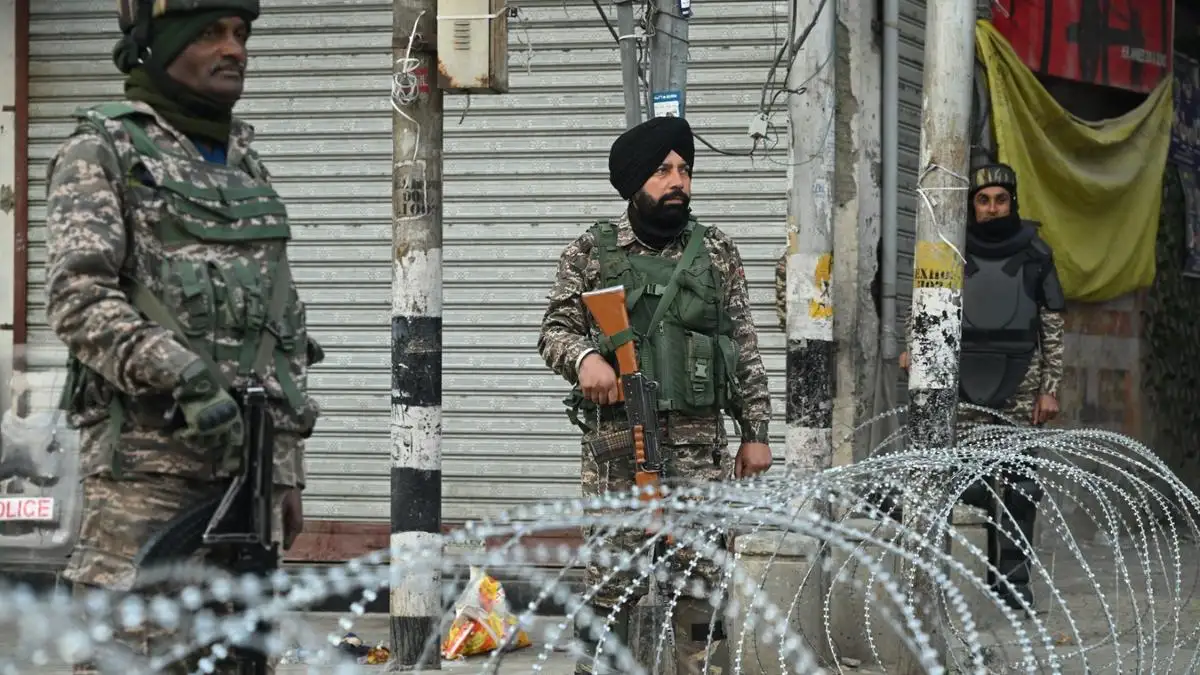
Life in the valley had been notably disrupted, with reports of thousands, predominantly from the Shia community, taking to the streets. Protests were documented in key locations including Lal Chowk in Srinagar, Budgam, Bandipora, Anantnag, and Pulwama. Public gatherings were reportedly aimed at expressing solidarity and condemning the alleged attack.
Read More: Stalin Greets West Bengal Governor Ravi Amidst Past Tamil Nadu Tensions

Some prominent figures were involved, with Member of Parliament Aga Syed Ruhullah Mehdi reportedly addressing a large gathering during a protest in Budgam. Kashmir's chief cleric, Mirwaiz Umar Farooq, was reportedly disallowed from leading prayers at the Jamia Masjid in Srinagar. Additionally, protests and rallies extended to Kargil in Ladakh.

In the wake of the protests, security forces had put up barricades, notably around the iconic Ghanta Ghar at Lal Chowk. Reports also surfaced of police registering First Information Reports (FIRs) against figures like Aga Ruhullah and former Srinagar Mayor Junaid Mattu for their social media activity concerning Khamenei's reported death. Detentions of protestors were also mentioned.
Officials characterized the initial restrictions as "precautionary" to maintain law and order. The lifting of these curbs signifies an improvement in the perceived law-and-order situation and a subsidence of the protests.
Read More: Trump says Iran surrendered but strikes continue in Dubai and Beirut