

Religious texts and modern theological commentary frame prayer not as a human skill, but as an admission of limited agency. The consensus across multiple instructional sources defines the "power" of the act as entirely external to the speaker. The utility of prayer is located in the recipient, not the vocabulary or the fervor of the person speaking.
The mechanism functions as a "direct line," yet requires a specific psychological posture: the abandonment of self-sufficiency.
Source materials indicate that seeking wisdom through prayer is an explicit confession that the individual lacks answers.
Collective or group prayer is treated as a communal reinforcement of these beliefs, aiming to "deepen bonds" and create spiritual "warriors" through repetitive habit.
The Displacement of Agency
The primary paradox in these reports is the definition of power. While the term "powerful prayer" is common in Christian discourse, the literature suggests the words themselves carry zero intrinsic weight.

"The power of prayer isn’t in the words you utter… it is the power of God, who hears and answers prayer."
The act is described as a relational tether. By speaking to a perceived creator, the individual attempts to align their internal state with an external "will." This involves:
Gratitude to recognize external blessings.
Petition for healing or material change.
Silence or time spent to nurture "faith."
| Prayer Objective | Expected Outcome | Biblical Reference |
|---|---|---|
| Wisdom | Generous insight without fault | James 1:5 |
| Material Needs | Provision through faith | Matthew 21:22 |
| Authority | Action in the name of Jesus | John 14:13-14 |
| Crisis Management | Relief in extreme circumstances | 2 Chronicles 14 |
Patterns vs. Magic
There is a documented tension between "patterned" prayer and what some sources label "pagan" or "magic" prayer. The latter is viewed as a transactional attempt to manipulate reality.
Read More: Cliffe Knechtle: God's 4 Answers to Prayer on US Campuses
In contrast, the patterned approach—citing the biblical figure Asa—focuses on the recognition of God’s ear during "overwhelming circumstances." It is a structural response to chaos rather than a magical spell. Perseverance is encouraged, not to change the mind of the deity, but to demonstrate a perpetual state of dependence.
The Ritual of Daily Habit
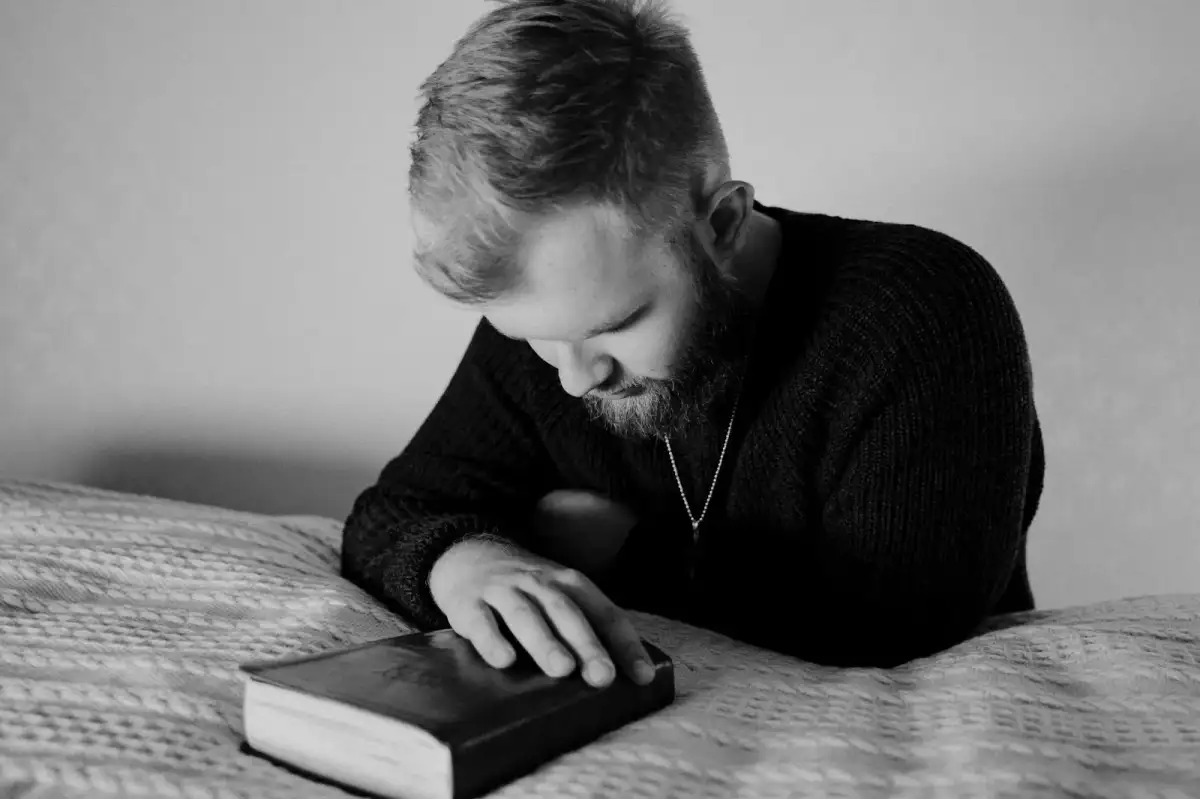
Modern Church instructions emphasize the "habit" of prayer as a method for fortifying the internal mind.
Setting specific times for prayer is a tactical move to embed the ritual into daily life.
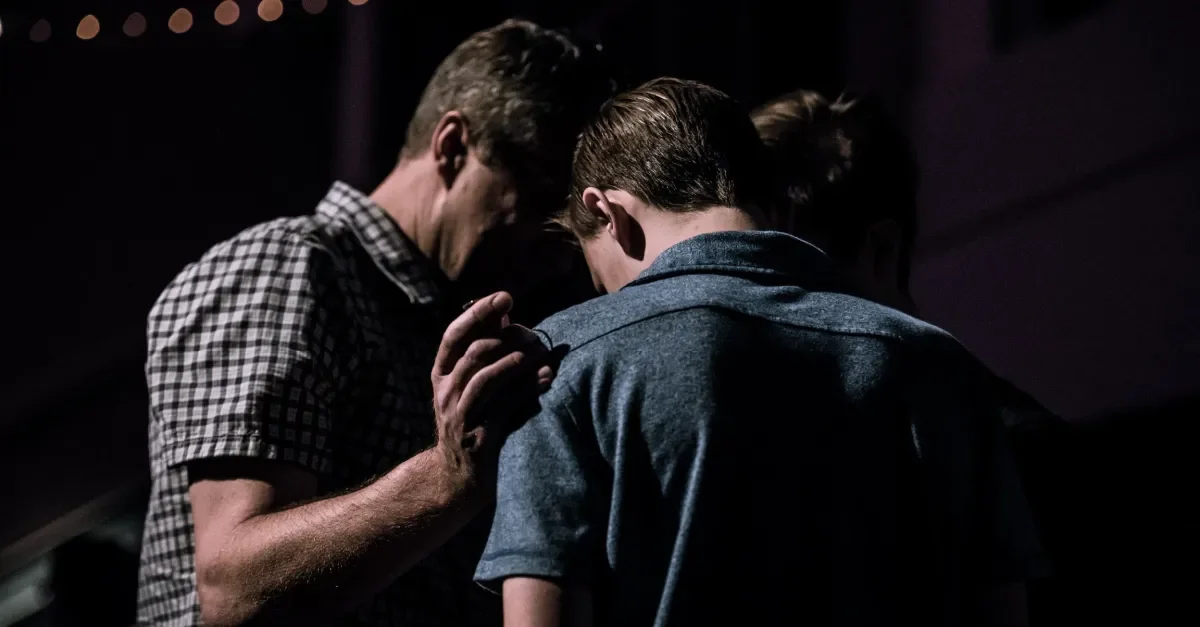
Group activities are used to move the ritual from a private, internal monologue to a social, shared reality.
The use of the Holy Spirit is cited as the fuel for this power, suggesting that even the ability to pray is a gifted commodity rather than a natural human output.
Background and Context
The historical basis for these claims rests on narratives of figures like Asa and Hezekiah, who supposedly accessed divine intervention through specific vocalizations during national crises. Contemporary interpretation has shifted these high-stakes political narratives into personal "tools" for healing and emotional stability. The overarching narrative remains consistent: prayer is a confession of weakness designed to trigger external strength.

