
Janine Price's Journey: Diet and Exercise as a Psoriasis Solution
Janine Price, after two decades of grappling with psoriasis, claims to have found relief not through medication, but through significant changes in her lifestyle. Her experience highlights a persistent struggle with the skin condition, characterized by itchy, red patches and painful joints, which progressively worsened despite treatments like steroid creams, light therapy, and even chemotherapy. Price's breakthrough reportedly came with the adoption of specific dietary and exercise habits, leading to a notable weight loss of three stone. This personal account surfaces amidst ongoing discussions about potential non-pharmacological approaches to managing psoriasis.
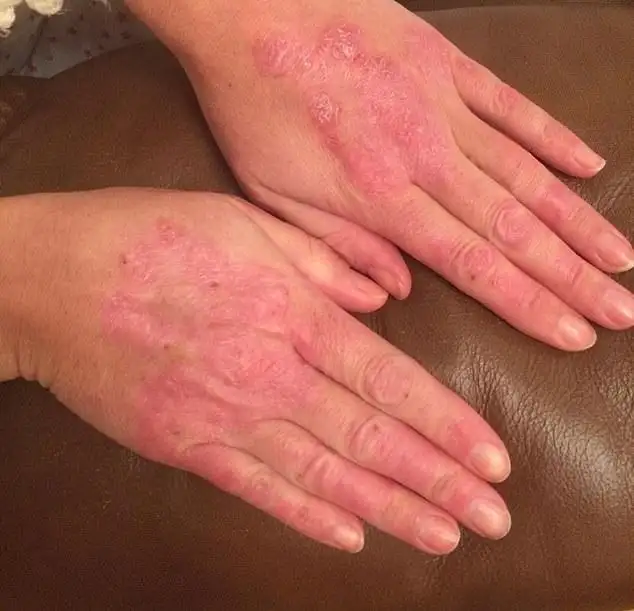
Weight's Role in Psoriasis Management
Experts, such as Dr. Morrow, underscore the connection between excess weight and psoriasis symptoms. "All patients with psoriasis who are also overweight need to be informed of the impact excess weight can have," Dr. Morrow is quoted as saying. While Price's specific dietary regimen is not detailed, some research, as noted in the provided material, points towards the Mediterranean diet as a potentially beneficial approach for individuals with psoriasis. Dr. Morrow also acknowledges that "Certain patients do record that the Mediterranean diet is helpful for them."
Read More: India IVF Costs And Social Barriers Limit Access In April 2026

Broader Landscape of Psoriasis Remedies
The search for effective psoriasis management extends beyond diet and exercise. Other reported natural or home remedies include practices aimed at stress reduction, such as meditation and yoga, which are suggested to help alleviate psoriasis symptoms by managing stress levels. This aligns with the understanding that stress can be a trigger or exacerbating factor for the condition.

In a separate account, Kendra found success using organic CBD oil after experiencing what she describes as dramatic improvements in her skin within a week. This approach, while anecdotal, represents another avenue explored by individuals seeking alternative solutions to debilitating psoriasis. It's crucial, however, that individuals discuss any new treatment or remedy with their healthcare provider. A doctor can help develop a personalized treatment plan tailored to a patient's specific condition.
Read More: Experts Say Chronic Hives Need Long-Term Care, Not Just Finding Causes
Background on Psoriasis
Psoriasis is a chronic autoimmune disease that affects the skin. It is characterized by red, itchy, scaly patches, most commonly on the knees, elbows, trunk, and scalp. The condition develops when the immune system mistakenly attacks healthy skin cells. The rate of skin cell turnover accelerates, causing cells to accumulate rapidly on the skin's surface, forming the characteristic patches. While there is no cure for psoriasis, various treatments are available to help manage symptoms, ranging from topical medications and phototherapy to systemic drugs and biologic agents. Lifestyle factors, such as diet, stress, and weight, are increasingly recognized as playing a role in symptom severity for some individuals.