


CONTRADICTORY STATEMENTS MARK SECOND WEEK OF CONFLICT
DONALD TRUMP, speaking via social media, has declared Iran has "surrendered" to its Middle Eastern neighbors. This assertion, however, is met with contradictory reports of continued missile and drone activity across the Gulf region. Trump’s pronouncements paint a picture of capitulation, juxtaposed against ongoing hostilities and operational disruptions in key transit hubs.
Operations at Dubai International Airport have partially resumed after a temporary suspension. This disruption was a direct consequence of an Iranian missile strike, impacting one of the world's busiest air travel centers. The airport’s partial reopening signifies a fragile return to normalcy amidst persistent missile threats. Simultaneously, reports indicate Israeli warplanes continued to conduct operations over Beirut and Tehran. Despite claims from Iranian President Masoud Pezeshkian that strikes would cease, Qatar and the UAE have continued to report attacks.
Read More: TMC Supports No-Confidence Vote Against Lok Sabha Speaker Om Birla in New Delhi

IRANIAN PRESIDENT REJECTS ULTIMATUM, EMPHASIZES DEFENSIVE STANCE
Iranian President Masoud Pezeshkian has publicly rejected Trump’s demand for "unconditional surrender." Pezeshkian stated that surrender is a "dream" Iran would take to its "graves." He also clarified Iran's position, asserting the country will cease attacking neighboring nations and launching missiles unless provoked by attacks originating from those countries facilitating US actions against Iran.

In a separate development, Iran’s Foreign Minister Abbas Araghchi accused the United States of targeting a freshwater desalination plant on Qeshm Island in the Strait of Hormuz. This accusation, if substantiated, adds another layer to the unfolding conflict, shifting focus to infrastructure targeted during the exchanges.

US THREATENS SEVERE REPRISALS
President Donald Trump has vowed to "hit Iran very hard" and indicated that specific "areas and groups of people" within Iran are "under serious consideration for complete destruction and certain death," citing Iran's "bad behavior." These statements from Trump highlight a continued aggressive posture, with threats of widespread devastation directed at Iran.
Read More: Trump Eases Russia Sanctions for India Amid High Oil Prices
BROADER REGIONAL IMPLICATIONS
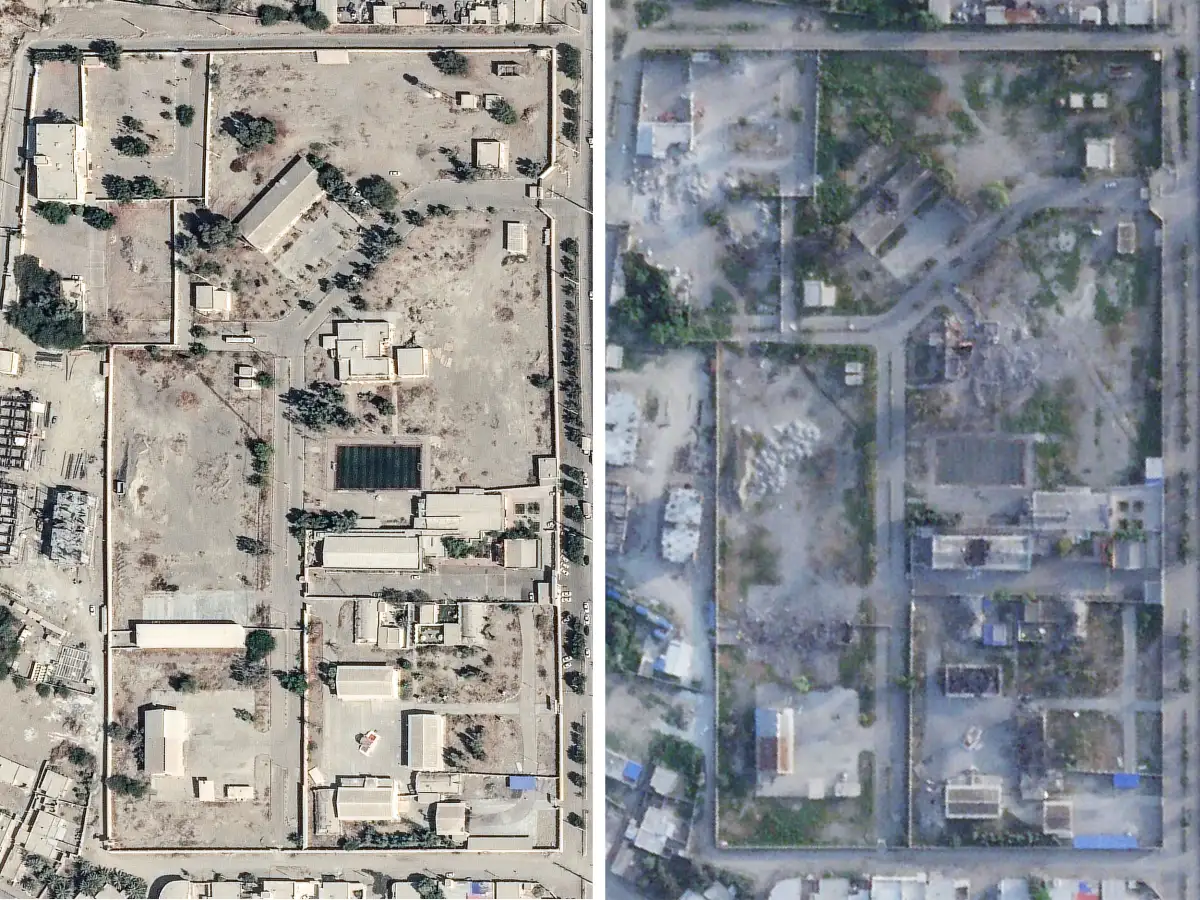
The Arab League has announced an emergency meeting of foreign ministers to address the ongoing Iranian attacks on member states. This gathering underscores the widening regional concern and the potential for a broader diplomatic engagement to de-escalate the situation. Meanwhile, reports also surfaced regarding a potential US munition being responsible for a strike on a school in Iran, an incident currently under preliminary investigation.
BACKGROUND OF CONFLICT
The current phase of conflict began approximately a week prior to the most recent reports, on February 28th, with a US-Israeli air campaign against Iran. This was followed by retaliatory strikes from Iran, targeting Israel, US installations in the region, and several Middle Eastern countries hosting US bases. While some legal analyses suggest Iran's strikes on US bases could be justified as self-defense, broader attacks on regional infrastructure and oil installations have drawn criticism.
Read More: China says Australia helicopter claim is false after Yellow Sea close call
Internal US government reviews, as suggested by reports, indicate the Trump administration might be ill-equipped for a regime-change war, with even the US National Intelligence Council reportedly concluding that war on Iran is "destined to fail." The conflict has also seen the return of fallen US service members to Dover Air Force Base, with President Trump attending a ceremony honoring them. The Iranian supreme leader, Ayatollah Ali Khamenei, was reported killed in US-Israeli strikes.
In the economic sphere, reports suggest rising gas prices and discussions among US allies to bolster the economy. Airlines like Emirates have faced operational disruptions, though flights are gradually resuming. India’s relationship with Iran, historically complex, has seen recent strain as the nation strengthened ties with Israel.