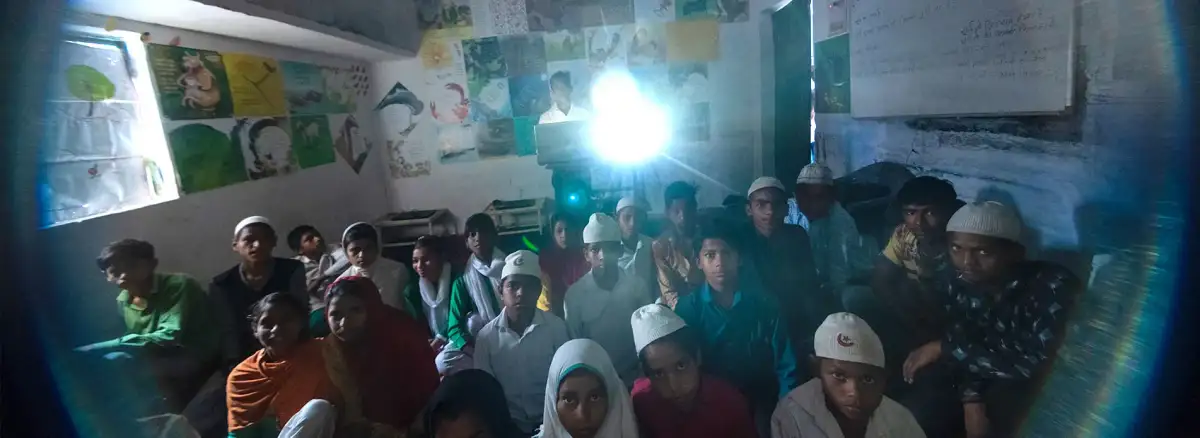
The quiet hum of village libraries is set to get a boost, with the Central University of Karnataka (CUK) and Kalike, an initiative of the Tata Trusts, signing a Memorandum of Understanding (MoU). The goal? To supercharge early childhood education and build "child-friendly learning ecosystems" in rural Karnataka. While the intention is noble – nurturing young minds in underserved areas – a deeper look reveals a complex web of past initiatives, unasked questions, and the ever-present challenge of translating grand plans into tangible impact on the ground.
This new partnership promises to inject much-needed focus and resources into the foundational years of learning. Yet, as a critical observer, one can't help but wonder about the practicalities: Who will be doing the hands-on work in these villages? What specific, measurable outcomes are being targeted? And, crucially, how will this initiative ensure it doesn't just replicate past efforts without truly transforming the lives of the children it aims to serve?
Read More: NEET Exam Cancelled Due to Paper Leak, Students Protest Across India
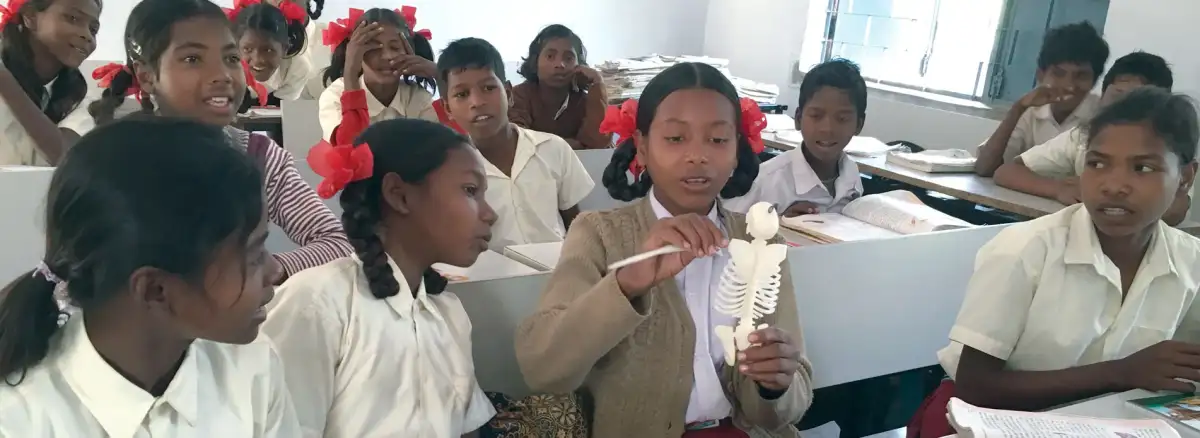
A Legacy of Intentions: Tracing Tata's Footprint in Education
The Tata Trusts are no strangers to the education landscape. For decades, they've been a significant force, particularly in "early childhood care for children from underserved communities" (Source 2). Their "Deepening Learning" initiative (Source 11) and a specific focus on "strengthening education systems" (Source 13) paint a picture of a well-established commitment.
Kalike, the Tata Trusts' arm directly involved here, has a history of working in Karnataka, with its roots in Yadgir, one of the state's more underdeveloped districts (Source 14). Their past projects offer valuable insights:
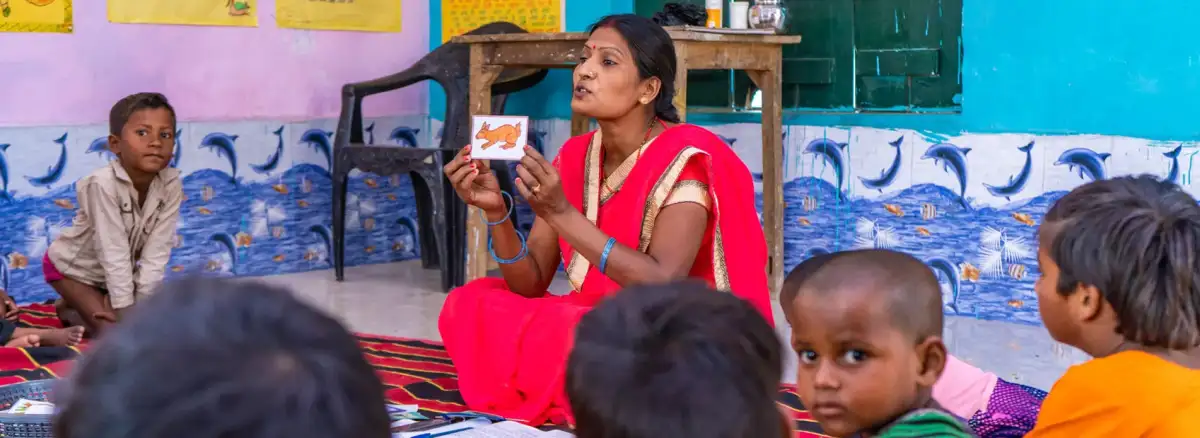
Transforming Rural Libraries: Kalike has a proven track record of revitalizing Gram Panchayat libraries. In a notable seven-month period, they transformed 200 libraries, equipping them with children's books and creating dedicated children's sections (Source 4). This involved identifying gaps and making these spaces "havens for young readers."
Empowering Librarians: Recognizing that librarians in these rural areas often lack formal training, Kalike has developed short-term certificate courses to boost their library management skills and make libraries more child-friendly (Source 1).
Early Childhood Education (ECE) Focus: Kalike's work also directly targets Early Childhood Care and Education (ECCE), offering intensive training to Anganwadi Workers (AWWs) and Anganwadi Helpers (AWHs) to improve the quality of Pre-School Education (PSE) activities (Source 9). They've reached over 41,500 parents across four projects under the Integrated Child Development Scheme (ICDS) in Koppal and Vijayanagara districts (Source 9).
Beyond Libraries: The Tata Trusts' broader educational efforts span teacher capacity building, curriculum development, and even leveraging technology. Initiatives like the "Connected Learning Initiative (CLIx)" with the Tata Institute of Social Sciences (TISS) and MIT, and "Computer-aided Learning Programmes" using open-source materials, show a multi-pronged approach (Source 12).
Past successes are evident, but so are the recurring challenges:
Access vs. Quality: While many libraries have been "transformed" and books made available, the depth of learning and the consistent engagement of children remain crucial questions.
Sustainability: What happens after the initial project phase? Are these libraries equipped to thrive independently?
Reach and Inclusivity: While efforts are made to reach underserved communities, are the most marginalized children being effectively included?
The MoU: What's New, What's Familiar?
The Central University of Karnataka (CUK) brings academic weight and research capabilities to this partnership. Their Vice-Chancellor, Battu Satyanarayana, has rightly emphasized the "decisive" nature of early childhood education for future learning outcomes (Source 1). This collaboration signals a move towards:
Read More: Karnataka KSRTC Bus Strike From May 20 Affects 1.25 Lakh Workers
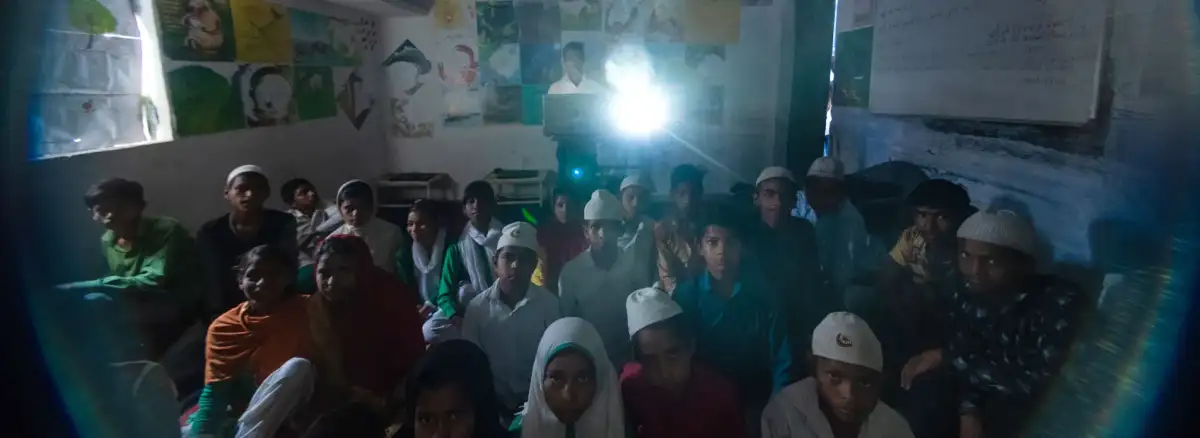
Strengthening ECE: The core objective is to bolster early childhood education.
Building Child-Friendly Ecosystems: This implies a holistic approach beyond just books, potentially involving community engagement and creating supportive environments.
Leveraging Village Libraries: These existing structures are seen as a key vehicle for intervention.
However, the public announcement, while positive, raises several points for critical examination:
Specificity of CUK's Role: Beyond lending its name and academic stature, what are CUK's concrete contributions? Will faculty be involved in curriculum development, teacher training, or research? Or is this primarily an administrative partnership?
Innovation vs. Replication: How will this MoU's approach differ from Kalike's existing, successful library transformation projects? Is there a novel pedagogical approach being introduced, or is it an expansion of what's already been done?
Measurement of Success: The MoU speaks of "strengthening" and "building," but what are the quantifiable targets? Are there metrics for improved foundational literacy, increased school readiness, or enhanced community involvement?
"Foundational learning requires special attention as it is complex and decisive in determining future learning outcomes. We have developed innovative and engaging books to make learning interesting for children." - Battu Satyanarayana, CUK Vice-Chancellor (Source 1)
This quote highlights the focus on "innovative and engaging books." While important, it begs the question: are these books truly "innovative," or are they standard children's literature adapted for the rural context? And more critically, how do these books connect to broader pedagogical strategies for effective early learning?

Deep Dive: The "Child-Friendly Ecosystem" – A Myth or a Mission?
The idea of a "child-friendly learning ecosystem" sounds aspirational, but what does it truly entail on the ground? Kalike has demonstrated success in transforming physical library spaces. However, an ecosystem is more than just a welcoming room filled with books. It requires:
Engaged Parents and Caregivers: Parents are the first educators. Kalike has engaged parents through Anganwadi centers (Source 9), but how will this new MoU foster deeper, sustained parental involvement in children's learning journeys, particularly through the libraries? Are there plans for workshops, shared reading sessions, or other family-centric activities?
Trained and Motivated Local Facilitators: The certificate course for gram panchayat librarians is a step. But are there plans to train community volunteers, local youth, or even teachers to actively facilitate learning experiences within these libraries, moving beyond mere book lending?
Integration with Formal Education: How will these strengthened village libraries and early childhood education efforts be linked to the formal schooling system? Will children entering primary school be better prepared due to this intervention? How will this link be tracked?
Addressing the Digital Divide: While the Tata Trusts are exploring technology in education (Source 12), the current MoU focuses on physical libraries. In an increasingly digital world, are there plans to incorporate age-appropriate digital learning tools or resources, especially in areas where internet access might be improving?
| Key Elements of a Child-Friendly Learning Ecosystem ||—————————————|————————————————————————————————-|| Physical Space | Safe, accessible, and stimulating environment (libraries, Anganwadis) || Learning Resources | Age-appropriate books, play materials, and engaging content || Human Facilitators | Trained librarians, teachers, parents, community volunteers || Community Engagement | Parental involvement, local ownership, and support || Pedagogical Approach | Play-based learning, interactive methods, focus on foundational skills || Linkage to Formal Ed | Seamless transition to primary schooling, addressing learning gaps |
Read More: Thiruvananthapuram CBSE Class 12 pass rate 95.62%
The Librarian's Load: Beyond Book Shelving
The absence of formal training for gram panchayat librarians has been identified as a gap, and the certificate course is a direct response (Source 1). However, the demands on these individuals extend far beyond managing inventory. The critical questions remain:
Scope of Training: What does this "short-term certificate course" actually cover? Does it equip librarians with skills to:
Facilitate storytelling sessions?
Conduct early literacy activities?
Engage children in creative play and learning games?
Identify children needing extra support?
Collaborate with Anganwadi workers and teachers?
Incentives and Support: What incentives are in place for these librarians to adopt new practices and actively engage children? Are there ongoing professional development opportunities, or is this a one-off training?
Resource Allocation: Beyond books, what other resources – such as art supplies, educational toys, or basic infrastructure like adequate lighting and seating – will be provided to make these libraries truly child-friendly and functional learning hubs?
Critical Questions for a Truly Impactful Initiative
As this partnership embarks on its journey, several probing questions demand thoughtful answers to ensure it translates into meaningful change rather than just another well-intentioned project:
The "Kalike" Model: Given Kalike's extensive experience in transforming rural libraries, what new elements or enhanced strategies will this MoU bring that go beyond their existing successful models? How will CUK's involvement uniquely contribute?
Data-Driven Progress: What are the baseline data points for early childhood education in the targeted villages? How will progress be tracked, and what specific, measurable outcomes are being aimed for (e.g., % increase in reading readiness, improved vocabulary scores, attendance rates in Anganwadis)?
Sustainability Blueprint: What is the long-term plan for these enhanced libraries and learning ecosystems? How will they be sustained financially and operationally after the initial push from the MoU? Is there a plan for gradual handover to local communities or government bodies?
Beyond Books: While books are crucial, what other components of early childhood development – such as nutrition awareness, health, sanitation, and play-based learning – will be integrated into the "child-friendly learning ecosystems"?
Equity and Inclusion: How will the initiative ensure that the most vulnerable and marginalized children – those with disabilities, from extreme poverty, or from nomadic communities – are not overlooked? Are there specific outreach strategies planned?
Partnership Dynamics: What are the specific responsibilities of CUK, Kalike, and potentially local government bodies (like the Gram Panchayats)? How will these different entities coordinate and ensure accountability?
Impact on Teachers: While the focus is on libraries and early childhood, what support will be provided to Anganwadi workers and primary school teachers to ensure they can effectively leverage the improved resources and better-prepared children?
Looking Ahead: From MoU to Measurable Impact
The signing of this MoU between the Central University of Karnataka and Kalike-Tata Trust is a promising development for early childhood education in rural Karnataka. The established track record of Kalike in library transformation and the recognized importance of foundational learning by CUK lay a strong groundwork.
Read More: Karnataka SC Sub-Classification Cuts ST Jobs, Nomadic Tribes Threaten Lawsuit
However, the true measure of success will lie not in the ceremonial signing of documents, but in the tangible improvements in the lives of children. This requires a commitment to transparency, rigorous monitoring, and a willingness to adapt strategies based on ground realities. The journey from partnership to pervasive positive impact will be arduous, demanding more than just resources – it will require genuine collaboration, community empowerment, and a persistent focus on answering the critical questions that truly matter for the future of these young learners. The narrative must shift from "what we intend to do" to "what we have achieved, and how we know it."