


Bengaluru faces a significant shift in its administrative structure with the recent rollout of the Greater Bengaluru Authority (GBA). This move, championed by the state government, aims to overhaul governance, boost transparency, and address long-standing issues of civic management and revenue collection in the rapidly expanding metropolis.
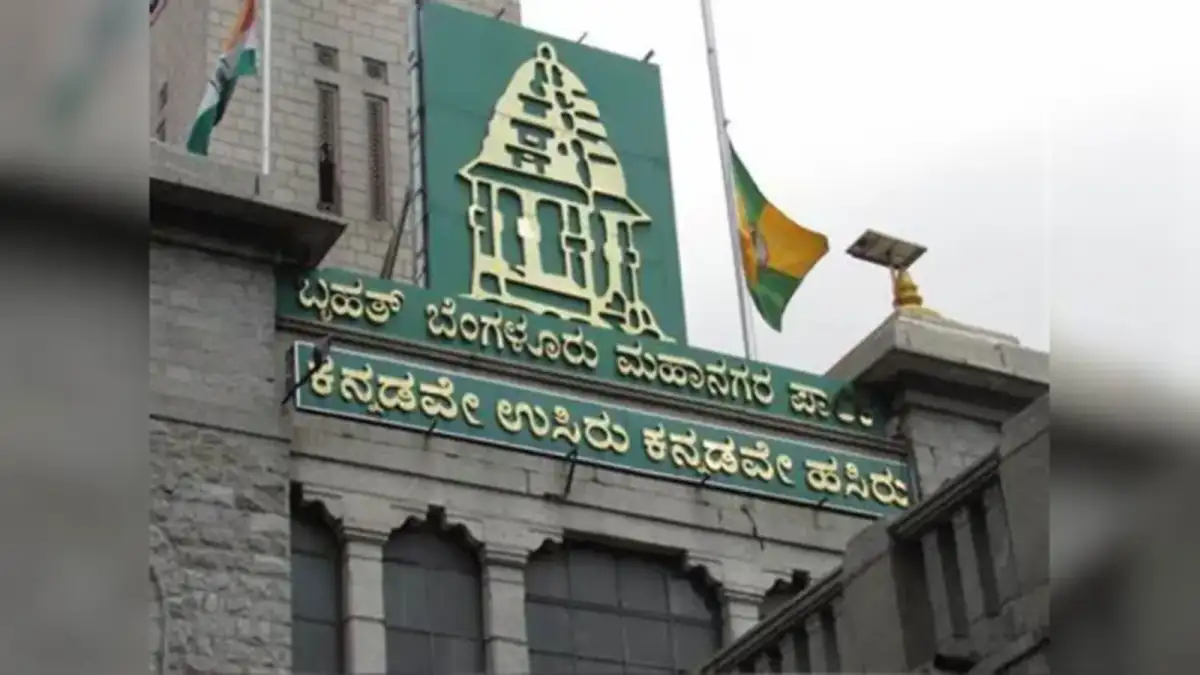
The transition involves restructuring the existing Bruhat Bengaluru Mahanagara Palike (BBMP) into multiple, more focused municipal corporations. This initiative seeks to bring about more localized and responsive governance, improve infrastructure planning, and enhance the delivery of essential services to citizens. Key policy shifts include the digitization of property records, efforts to regularize property documents, and the establishment of new operational frameworks.

Restructuring for Efficiency: The GBA Framework
The Greater Bengaluru Authority (GBA) represents a substantial reform designed to improve how Bengaluru is governed. The core of this reform involves breaking down the single, large BBMP into several smaller, independent city corporations.
Read More: New Bengaluru Green Line Metro Trains Arriving by August 2026
Multiple Corporations: The GBA proposes dividing Bengaluru into up to seven independent city corporations. Currently, the city has been organized into five municipal corporations: Central, North, East, West, and South.
Decentralized Authority: This restructuring aims to decentralize governance, with devolved powers and localized administration intended to make services more efficient and citizen-centric.
Oversight Committees: The plan includes the establishment of various committees, such as constituency, zonal, standing, ward, and area sabha committees, to oversee governance at different levels.
"Steps have been taken to ensure transparency and prevent corruption in the system." - Deputy Chief Minister D.K. Shivakumar
Digital Transformation of Civic Records
A central pillar of the GBA's implementation is the large-scale digitization of municipal records. This effort is specifically targeted at curbing revenue leakage and improving the efficiency of property-related transactions.

Record Digitization: Records for approximately 25 lakh properties have been digitized.
E-Khata Issuance: As a result, 9.5 lakh e-Khata documents have been issued to property owners.
Property Regularization: The process to convert B-Khata properties to A-Khata has commenced, with around 7,000 applications received so far.
Revenue Protection Software: The Cauvery software has been implemented to prevent tax leakage.
The digitization drive and the Cauvery software implementation are critical signals of the government's intent to enhance revenue collection and plug leakages in the property tax system.
Goals and Citizen Impact
The overarching goal of the GBA is to foster better urban development and more responsive civic services. Officials emphasize the intended benefits for Bengaluru's residents, while acknowledging potential challenges.
Improved Services: The GBA is expected to lead to faster and more responsive civic services.
Better Coordination: A key aim is to achieve better coordination in urban development projects.
Stronger Local Governance: The reform intends to empower local bodies and strengthen governance at the neighborhood level.
Transparency and Accountability: The new authority is promoted as a body that will bring transparency, accountability, and efficiency to city management.
Infrastructure Focus: Priorities include the development of roads, drains, footpaths, and parks within the new municipal corporations.
"For citizens, the GBGA could pave the way for faster, more responsive civic services, better coordination in urban development, and stronger local governance—but only if the implementation is smooth and inclusive." - ConstructionXperts.co.in
Critiques and Implementation Hurdles
Despite the stated objectives, the GBA initiative has faced scrutiny and concerns regarding its implementation and potential impact on local self-governance.
Centralization Concerns: Critics have voiced apprehension that the GBGA might centralize authority under the state government, potentially undermining local self-governance.
Transition Management: Significant challenges lie in managing the transition efficiently and ensuring effective coordination among multiple new agencies.
Empowerment Questions: A pertinent question remains whether local bodies will be genuinely empowered or if control will remain largely centralized.
Opposition Criticism: Opposition parties have criticized the government's delivery on promises, contrasting stated aspirations with the reality of civic issues like potholes.
"The legislation has not been without controversy. Key challenges include managing the transition efficiently, ensuring coordination among multiple agencies, and genuinely empowering local bodies rather than centralizing control." - ConstructionXperts.co.in
Expert Analysis and Official Stance
Officials, including Deputy Chief Minister D.K. Shivakumar and Chief Minister Siddaramaiah, have presented the GBA as a necessary step for modernizing Bengaluru's administration and addressing its growth challenges.
Read More: Karnataka requests higher Totapuri mango limit for farmers in April 2026

Deputy Chief Minister D.K. Shivakumar highlighted the large-scale digitization and the regularization of properties as key achievements, emphasizing the intent to prevent revenue leakage and corruption.
Chief Minister Siddaramaiah, at the inaugural meeting of the GBA, outlined detailed instructions to streamline administration across the newly formed municipal corporations. He stressed the importance of prioritizing the development of essential infrastructure to make these corporations models of good governance.
The government has justified the breakup of the BBMP into smaller corporations as a measure for better management of civic services, in line with court verdicts and directions.
The official narrative positions the GBA as a transformative initiative essential for Bengaluru's future, emphasizing modernization, efficiency, and citizen-centric service delivery.
Conclusion and Future Outlook
The introduction of the Greater Bengaluru Authority marks a pivotal moment in Bengaluru's administrative history. The initiative represents a comprehensive effort to reform urban governance through decentralization, digitization, and a restructured administrative framework. The success of the GBA will likely hinge on its ability to navigate the complexities of implementation, ensure genuine local empowerment, and demonstrably improve the quality of life for Bengaluru's residents.
Read More: Obaid Siddiqi Lectures 2026 in Bengaluru: Indian Border History
The ongoing process involves redrawing municipal boundaries, reallocating staff, and establishing new operational systems. Whether these changes translate into tangible improvements in infrastructure and administration remains to be seen, but the transition signifies a deliberate move towards a new era of urban management in the city.
Sources:
The Hindu: State government rolls out GBA afresh to improve governance in the city: DKS - https://www.thehindu.com/news/national/karnataka/state-government-rolls-out-gba-afresh-to-improve-governance-in-the-city-dks/article70611803.ece
Context: Reports on Deputy Chief Minister D.K. Shivakumar's statements regarding the GBA rollout, digitization efforts, and property regularization.
The Times of India: Governance for greatness: Bill moots 1 authority, many corporations | Bengaluru News - https://timesofindia.indiatimes.com/city/bengaluru/governance-for-greatness-bill-moots-1-authority-many-corporations/articleshow/118946261.cms
Context: Discusses the legislative proposals for the GBA, including the division into multiple corporations and potential impact on citizens.
ConstructionXperts.co.in: Karnataka to Roll Out Greater Bengaluru Governance Act on May 15: What It Means for the City’s Future - https://constructionxperts.co.in/karnataka-to-roll-out-greater-bengaluru-governance-act-on-may-15-what-it-means-for-the-citys-future/
Context: Provides an overview of the Greater Bengaluru Governance Act (GBGA), its implications for residents, and potential challenges in implementation.
Hindustan Times: CM outlines agenda for GBA at inaugural meet - https://www.hindustantimes.com/india-news/cm-outlines-agenda-for-gba-at-inaugural-meet-101760122397734.html
Context: Reports on Chief Minister Siddaramaiah's directives at the inaugural meeting of the GBA, focusing on decentralization and infrastructure development.
ksandk.com: Greater Bengaluru Governance Act 2024: Key Changes - https://ksandk.com/newsletter/greater-bengaluru-governance-act-2024-key-changes/
Context: Details the key regulatory provisions of the GBGA, including khata regulations and the creation of new municipal corporations.
The Indian Express: Karnataka cabinet approves BBMP rebranding as Greater Bengaluru from May 15 - https://indianexpress.com/article/cities/bangalore/karnataka-cabinet-bbmp-rebranding-greater-bengaluru-may-15-9994986/
Context: Covers the state cabinet's approval for the restructuring of BBMP into the Greater Bengaluru Authority and the formation of multiple corporations.
IBC World News: GBA Promises Transparency, Accountability, and Better GovernanceNew Chapter for Bengaluru as GBA Takes Over from BBMP - https://ibcworldnews.com/2025/09/03/gba-promises-transparency-accountability-and-better-governancenew-chapter-for-bengaluru-as-gba-takes-over-from-bbmp/
Context: Reports on the official transition from BBMP to GBA, highlighting the stated aims of improved infrastructure, civic amenities, and streamlined administration.
/newsfirstprime/media/media_files/2026/02/18/green-line-metro-2026-02-18-14-46-47.jpg)


