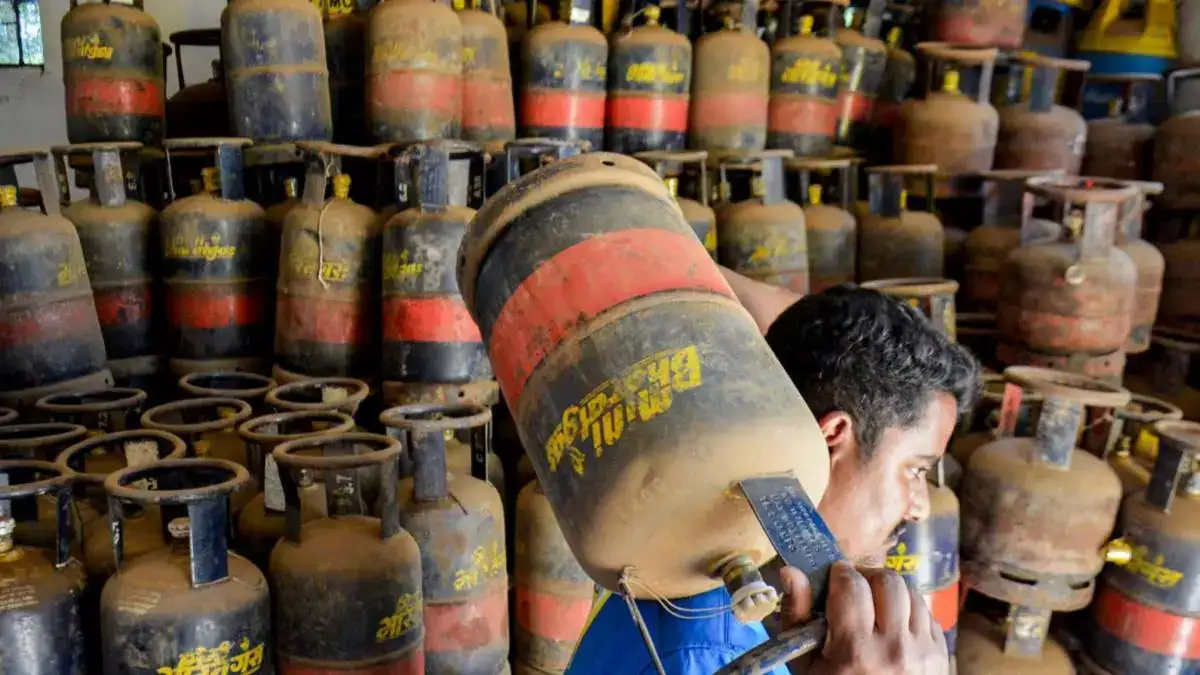
Karnataka is rerouting its liquefied petroleum gas (LPG) supply, prioritizing essential services like hospitals, hostels, and residential schools. This move comes amidst reports of a tightening market, with commercial cylinder distribution specifically curtailed for sectors deemed less critical, notably hotels. Officials claim domestic supplies for households remain unaffected by these adjustments.

The Karnataka government has declared that commercial LPG cylinders will be directed towards hospitals, hostels, and residential schools to ensure the preparation of essential food items. This policy aims to maintain continuity in services crucial for public welfare.
Commercial Distribution Shifts
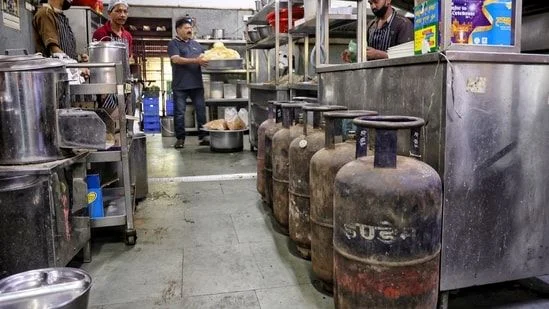
Hotels may face delays in receiving their usual LPG supplies, with estimates suggesting a wait of up to a week for cylinders. Authorities have reportedly advised hotel establishments to consider using electric stoves for essential food preparation and to focus only on necessary items.
Read More: LPG Cylinder Shortage Stops Free Meals at Bengaluru Banashankari Temple
The administration has also tasked deputy commissioners with a stringent oversight to curb black market sales of LPG cylinders. Discussions involving oil marketing companies (OMCs) have taken place, alongside assurances from ministers that the geopolitical tensions between Iran and Israel are not expected to disrupt LPG supplies within Karnataka.
Assembly Debates and Public Advisories
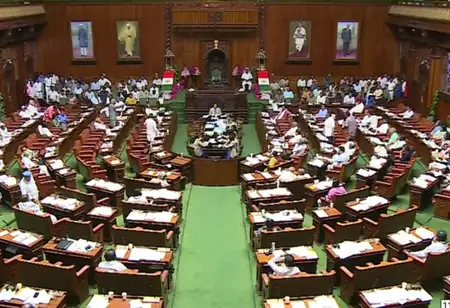
The LPG supply situation has ignited political discourse within the Karnataka Assembly, with heated exchanges reported. In light of the present circumstances, there's a call for prudent usage and to avoid stockpiling of gas, urging citizens to be mindful of consumption.
While Karnataka officials maintain domestic supply stability, similar issues have surfaced in other parts of India, with restaurants in various cities reporting shortages and some resorting to traditional cooking methods like wood stoves. A central government committee has reportedly been formed to address concerns from non-essential commercial consumers.
Read More: Karnataka requests higher Totapuri mango limit for farmers in April 2026