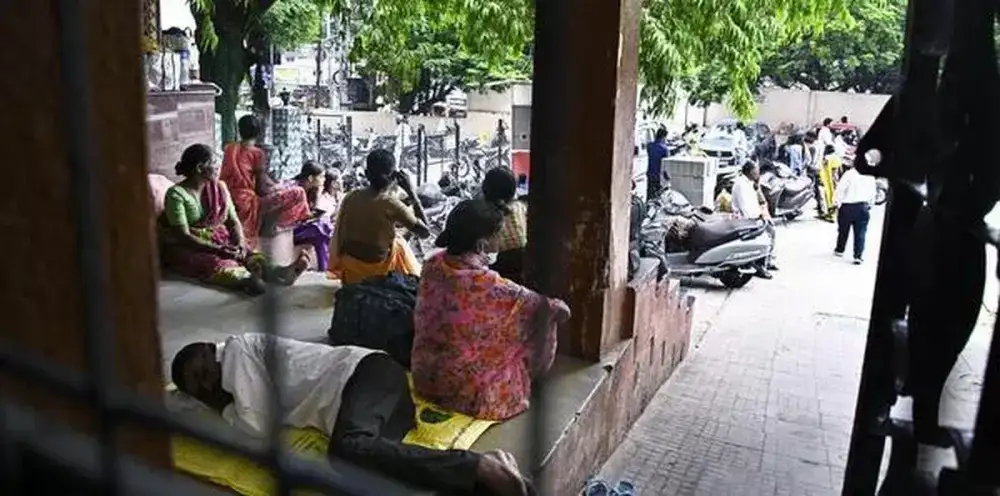
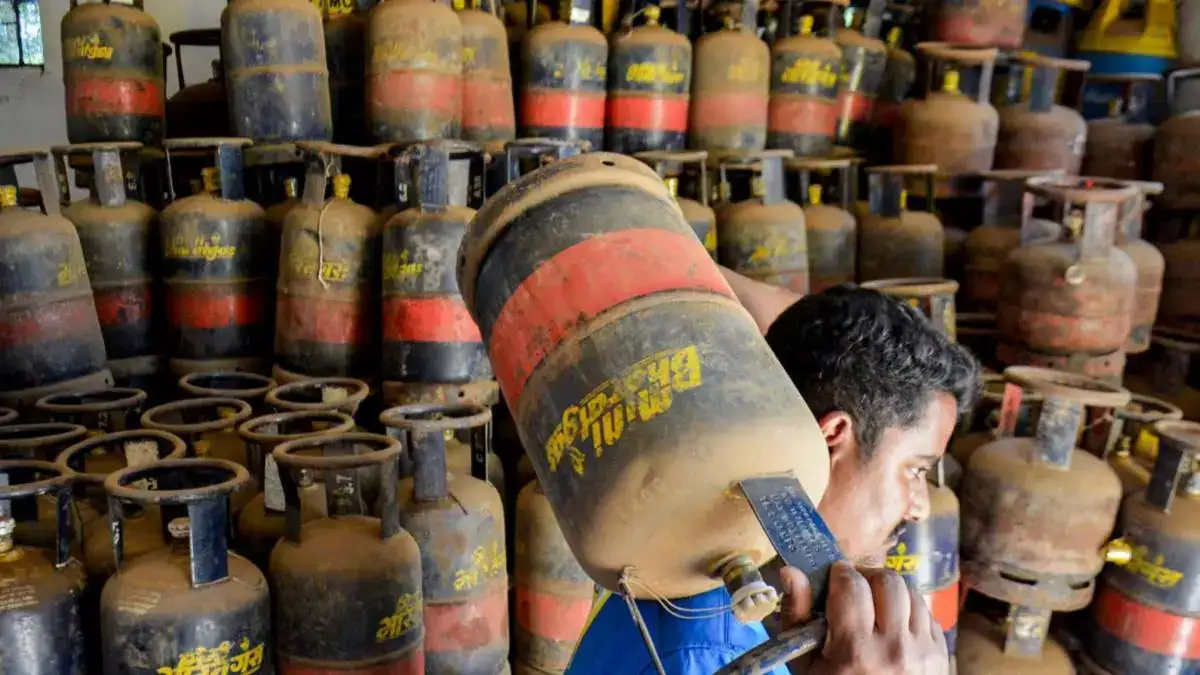
Hyderabad faces a growing pinch as commercial Liquified Petroleum Gas (LPG) supply constraints begin to bite at paying guest (PG) accommodations and private hostels across the city. Owners report a noticeable drop in cylinder delivery, raising concerns about the consistent preparation of meals for their residents. This shortage, emerging over recent weeks, directly impacts the daily operations of these crucial lodging facilities.
The immediate impact is felt in the kitchens of PG accommodations and private hostels, many of which rely entirely on commercial LPG for their cooking needs. Operators have described a sharp decline in cylinder supply, a trend that, if prolonged, could force difficult decisions regarding meal services and potentially even the viability of these establishments. Hotels, which typically require a significant daily supply of 15-20 cylinders, are also grappling with these "supply constraints."
Read More: Karnataka LPG Supply Changes for Hotels from March 15 to Prioritize Hospitals

The government, meanwhile, appears to be taking a multi-pronged approach to address these emergent pressures. In an effort to ensure availability, the administration has invoked the 'Essential Commodities Act', a move designed to safeguard the uninterrupted supply of domestic cooking gas across the nation. Furthermore, there are indications of efforts to boost domestic LPG production and to re-evaluate natural gas allocation priorities, aiming to channel resources towards essential services.
This situation is unfolding against a backdrop of broader geopolitical anxieties. Reports suggest that "supply disruptions in West Asia" are a contributing factor to the current pressures. These international events, coupled with the internal dynamics of oil company contract negotiations with tanker owners, contribute to a complex web of challenges affecting fuel distribution.
Contextualizing the Squeeze
The current squeeze in Hyderabad is not an isolated incident. Across India, the hospitality and restaurant sectors are reporting similar difficulties. Some officials have publicly called for ensuring "uninterrupted supply of commercial LPG cylinders for industries and hotels."
Read More: Telangana cancer data move, but treatment places lack staff
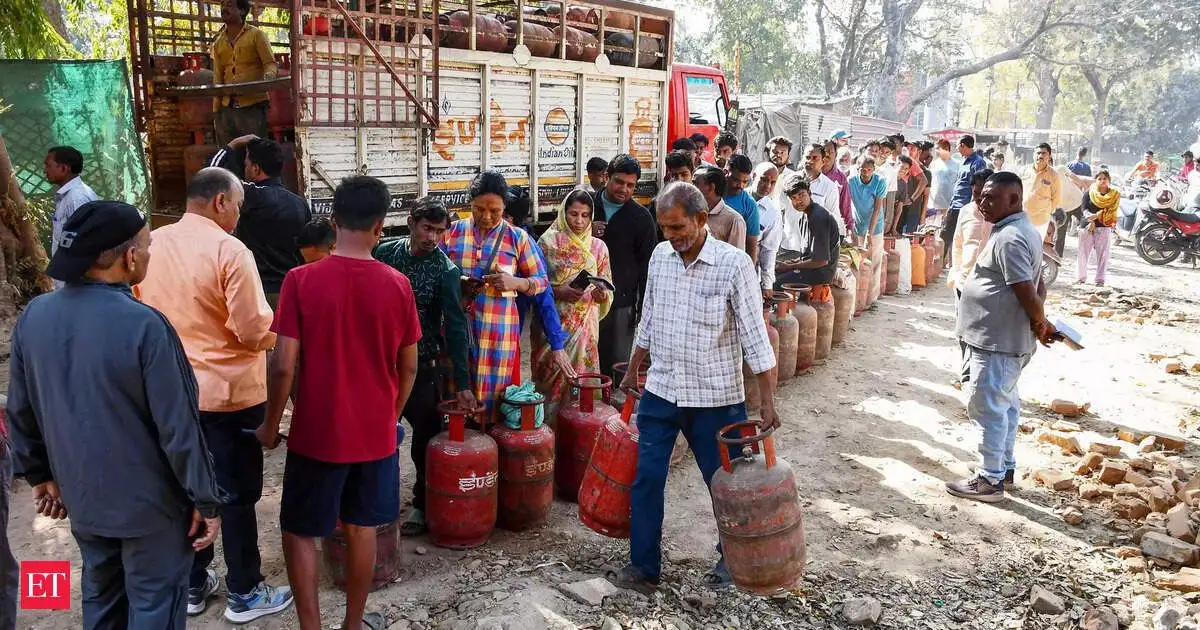
Meanwhile, public reaction has also entered the fray. Rumors of impending shortages, amplified by the ongoing conflict in West Asia, have triggered "panic buying" in several states. This rush to secure supplies has been observed at petrol pumps and, by extension, has likely exacerbated anxieties surrounding LPG availability. Authorities, however, have been urging calm, stating that "adequate LPG stock" exists and that "no petrol pump in the city is facing even a minor disruption in fuel supply."
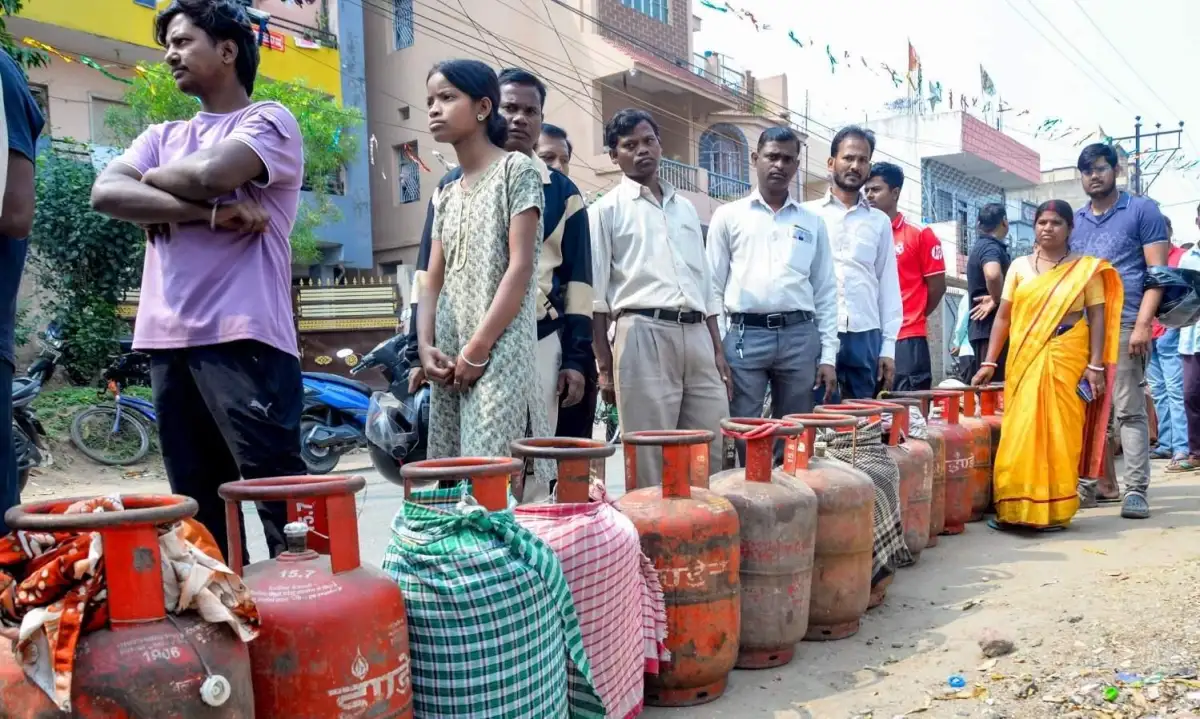
A Wider Network Under Strain
The issue has also seen regional components. In late March of last year, a significant segment of LPG tanker owners in South India announced an indefinite strike. This action, stemming from "unsuccessful negotiations with oil companies about new contract regulations," threatened to disrupt supplies across Tamil Nadu, Kerala, Telangana, Karnataka, Andhra Pradesh, and Puducherry. The core of their grievance appeared to revolve around new regulations imposing penalties for specific operational shortfalls.
Read More: LPG Cylinder Shortage Stops Free Meals at Bengaluru Banashankari Temple
Underlying Factors and Governmental Responses
The government's strategy to manage these evolving supply dynamics involves a dual focus: increasing domestic output and diversifying external sourcing. Officials have indicated plans to ramp up LPG production and have pointed to an expansion in the number of countries from which oil is sourced, now reportedly reaching "40 countries." This diversification is presented as a measure to mitigate reliance on specific geopolitical hotspots and to ensure more resilient supply chains.
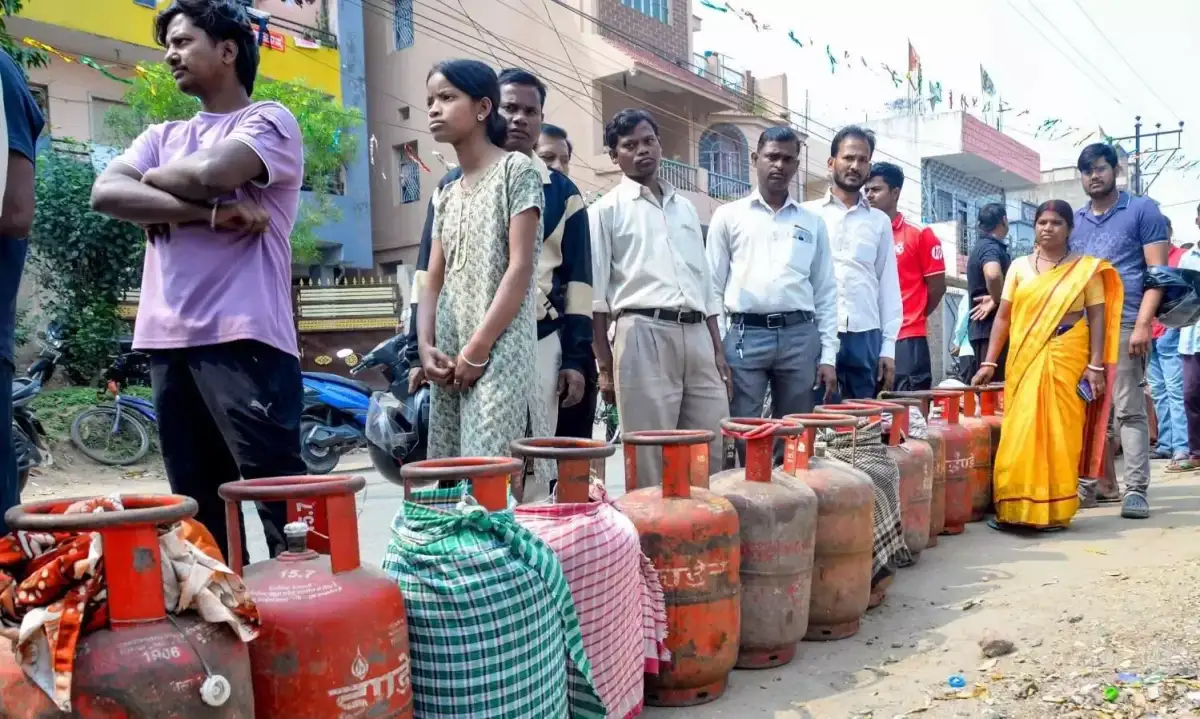
The allocation of natural gas has also been a point of policy adjustment. Priorities have been "revised to ensure uninterrupted supply of cooking gas and CNG," a move that some commentators suggest could lead to a deeper impact on commercial supplies as domestic needs are prioritized.
The broader narrative surrounding the LPG situation suggests a complex interplay of international events, domestic policy adjustments, and the immediate operational realities faced by businesses, from large hotels to the smaller, but vital, PG accommodations that serve as a crucial resource for many.
Read More: Telangana NEET Exam: 72,956 Students Take Test on June 21