

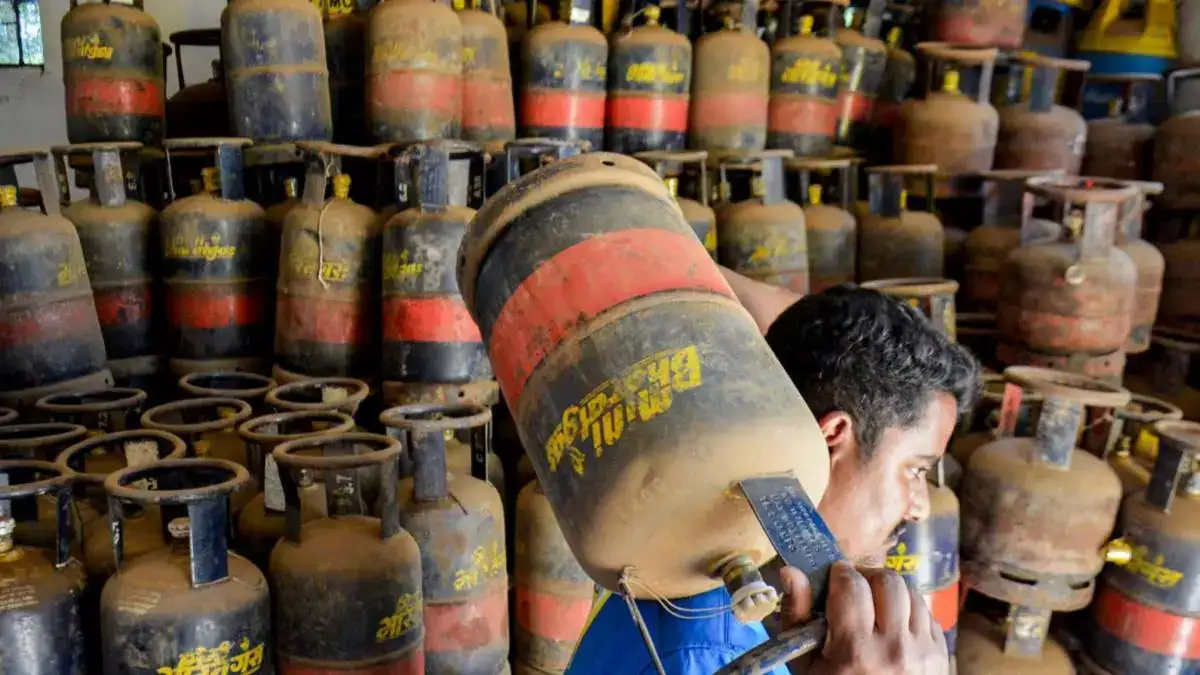
The interruption of commercial LPG distribution has forced major Bengaluru landmarks, including the Banashankari and Bande Mahakali temples, to suspend or alter their daily prasada (food offering) distribution. This crisis, originating from the suspension of non-domestic cylinder dispatches, creates a friction point between ritualistic continuity and logistics-dependent food service.
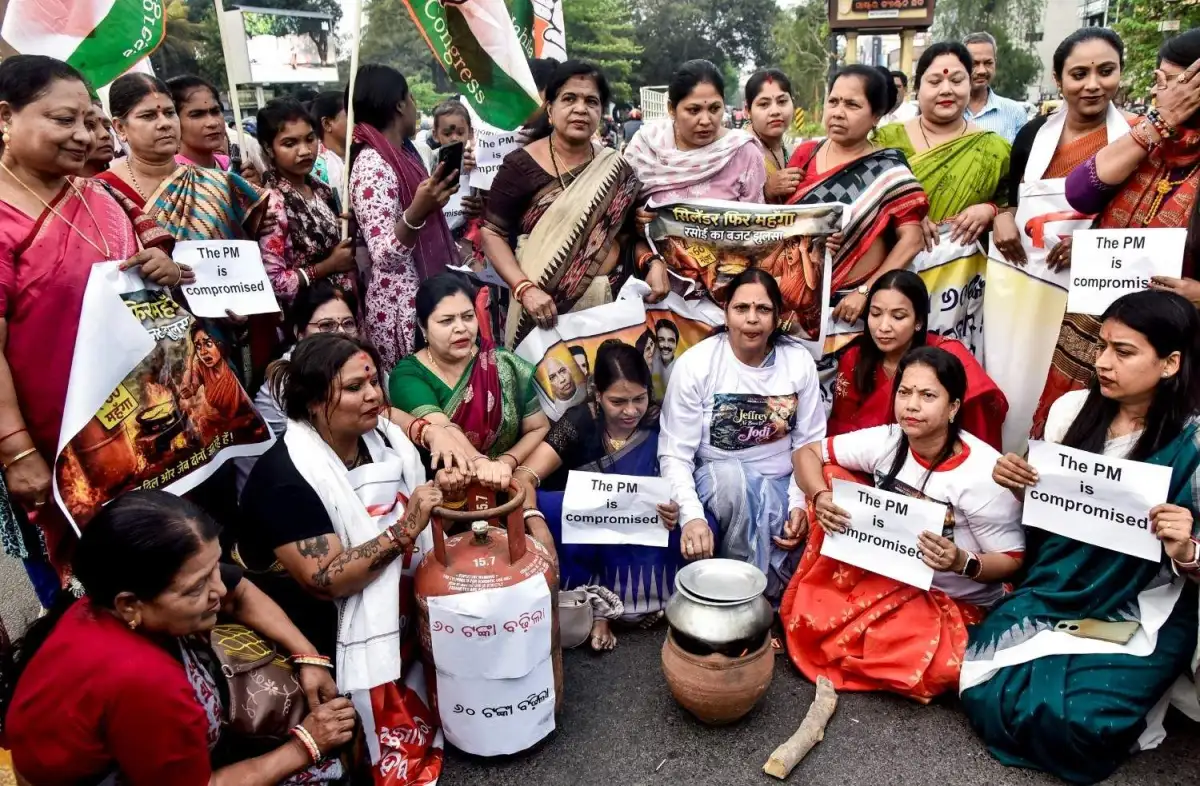
Current supply bottlenecks reveal a fragile reliance on imported energy, causing cascading closures in hospitality and temple administration.
Operational Impact Table
| Entity | Primary Impact | Daily Demand (Est.) |
|---|---|---|
| Banashankari Temple | Halt of Anna Prasada | 1–2 Commercial Cylinders |
| Bande Mahakali Temple | Severe service disruption | High (Multi-cylinder) |
| Wedding/Catering | Contractual fulfillment risk | Variable (High) |
Supply Prioritization: Authorities have pivoted toward maintaining domestic and "essential" non-domestic (hospitals, schools) stocks.
Systemic Failure: Restaurant owners report that commercial supplies essentially stalled as of March 9, with domestic deliveries experiencing backlogs of up to eight days.
Contingency Risks: Temple management committees are now weighing manual alternatives, such as firewood, to maintain devotional obligations.
Contextual Underpinnings
The current situation is not an isolated local event but a symptom of a broader Energy Crunch. Global volatility—specifically the geopolitical tension in West Asia and the threat of disruption near the Strait of Hormuz—has complicated the logistics of imported liquefied petroleum gas.

National Scope: States including Punjab, Telangana, and Tamil Nadu have seen restricted or frozen commercial dispatches, reflecting a tactical effort to insulate domestic households from immediate depletion.
Market Logic: Industry observers point toward an interplay between international crude pricing and local supply chain rigidity. While officials attempt to dampen the panic, the move to prioritize essential services implies an admission of limited reserves.
Institutional Framing: The Karnataka Muzrai Department has issued directives to temple administrators to mitigate inconvenience, though the underlying dependency on a Commercial LPG supply chain remains unaddressed.
The struggle to keep fires burning in both professional kitchens and temple hearths highlights the precariousness of modern food infrastructure when exposed to Geopolitical tremors.
Read More: Karnataka LPG Supply Changes for Hotels from March 15 to Prioritize Hospitals


