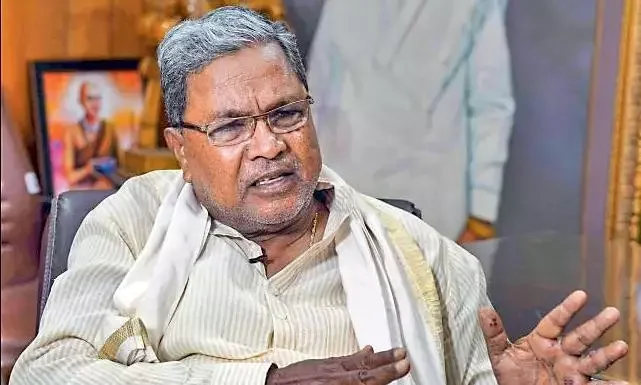
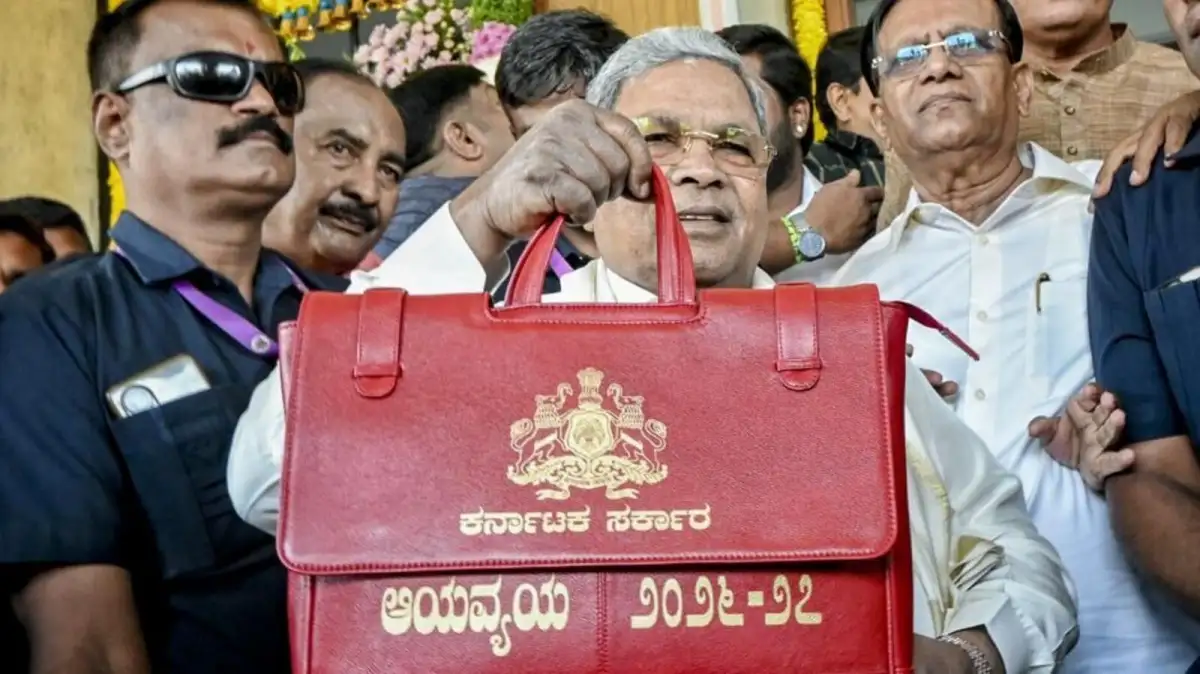
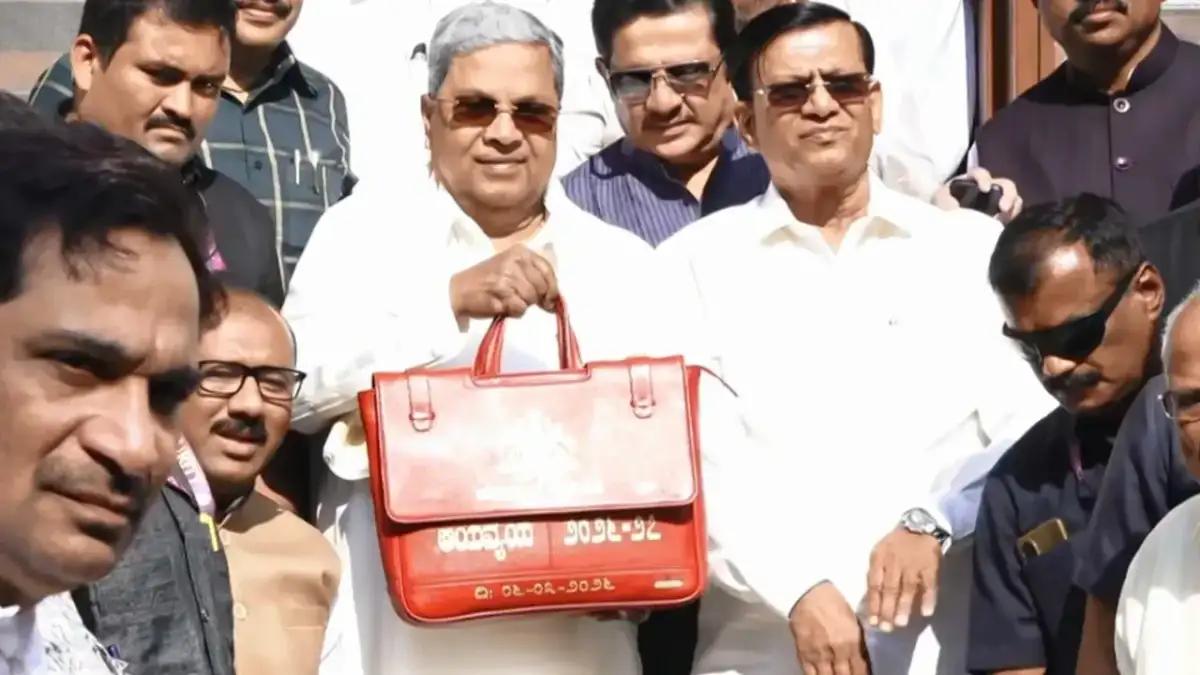
The recent Karnataka budget, presented by Chief Minister Siddaramaiah, earmarks substantial financial commitments across various sectors, with a particular emphasis on the development of Mysuru. Key initiatives for the city include its planned elevation as a second Information Technology (IT) hub, aiming to decentralize growth away from the already congested Bengaluru. This strategic move seeks to expand the state’s technology ecosystem and potentially stimulate real estate demand in Mysuru.
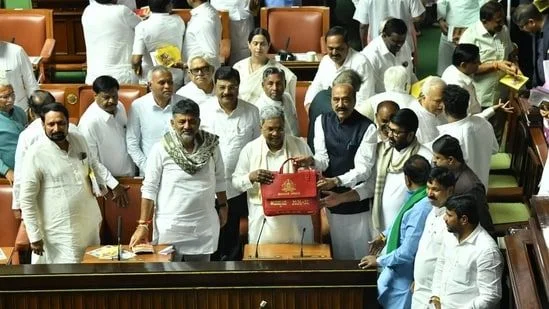
A significant portion of the budget's outlay, totaling ₹4,48,004 crore, is directed towards strengthening infrastructure and promoting industrial expansion. In Mysuru, specific projects include the establishment of an aerospace park near the city's airport through the Karnataka Industrial Areas Development Board (KIADB). Additionally, revised administrative approval has been granted for a ₹500-crore film city project at Himmavu. Tourism is also slated for a boost with the proposed development of Lingambudi Park, intended to attract visitors and nature enthusiasts, though detailed plans remain undisclosed.
Read More: Two building collapses in India kill 6 people
Healthcare and Livestock Sector Enhancements
The healthcare sector receives a notable allocation of ₹17,817 crore. Within Mysuru, specific health-related developments are underway. Peripheral Cancer Centres in Mysuru and Tumakuru have been completed at a cost of ₹92 crore. Furthermore, the Jayadeva Cardiovascular Hospital in Mysuru is slated for an upgrade, expanding its bed capacity from 400 to 600 at an estimated cost of ₹180 crore. In the livestock sector, a Boer goat breeding centre is set to be established in Mysuru to improve local goat breeds.
Infrastructure and Recreational Facilities
Beyond IT and healthcare, Mysuru is also slated to benefit from enhancements in recreational and sporting infrastructure. A modern cycling velodrome is planned for construction at Dattagalli in Mysuru. The budget also includes provisions for infrastructure development at the Karnataka Exhibition Authority in Mysuru, with ₹10 crore allocated for this purpose. The development of Himmavu near Mysuru also includes provisions for a theme park, star hotels, and restaurants, building upon the film city project.
Read More: Bihar gets $10.5 Billion from HUDCO for New Cities
Broader Budgetary Allocations
The budget outlines substantial departmental allocations. The Education Department receives the largest share with ₹47,224 crore, followed by Women & Child Development at ₹34,929 crore, and the Energy Department with ₹29,947 crore. Rural Development and Panchayat Raj (RDPR) is allocated ₹26,559 crore, while Irrigation projects receive ₹22,436 crore. Urban Development & Housing has been earmarked ₹22,203 crore, and Healthcare has been allocated ₹17,817 crore.
The budget proposes a multi-pronged approach to development, emphasizing technology-driven growth, infrastructure upgrades, and environmental sustainability. This focus on decentralizing economic activity and investing in regional centers like Mysuru appears to be a significant thrust of the current fiscal plan.
Background
This budgetary exercise marks Chief Minister Siddaramaiah's 17th state budget. The overarching financial plan is built on projected revenues derived primarily from State Tax Revenue (49%), Capital Receipts and Borrowings (29%), and a share of Central Taxes (14%). Expenditures are broadly categorized, with significant portions allocated to Debt Servicing (20%) and Other General Services (18%), alongside substantial investments in social welfare, education, health, and economic services. The strategy to develop Mysuru as a second IT hub is positioned as a measure to alleviate pressure on Bengaluru, which has long been the state's primary IT destination, and to foster more balanced regional development. Real estate observers note that such initiatives could translate into increased demand for property in Mysuru, potentially transforming its market from a quiet retirement locale to a more dynamic urban center.
Read More: India Chenab-Beas River Tunnel Project Impact on Pakistan Water Flow