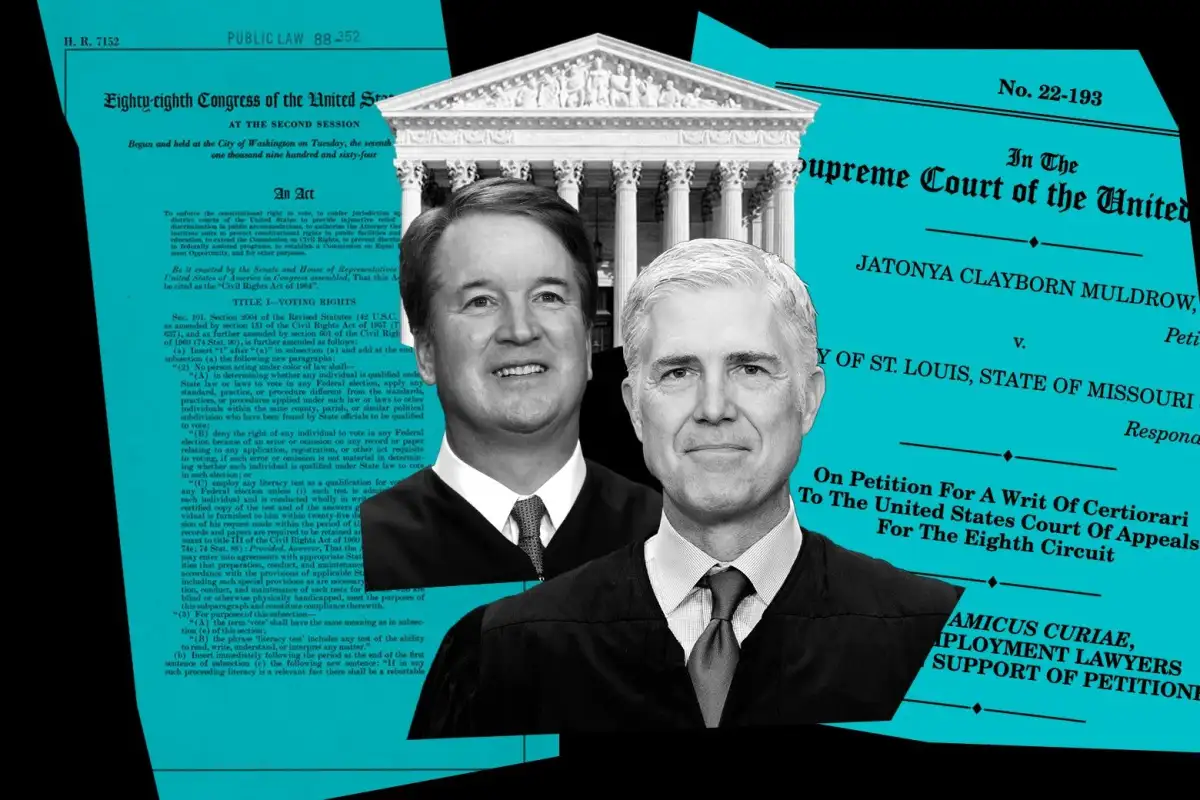
Justice Neil Gorsuch has recently been the subject of scrutiny and analysis concerning his stance on workers' rights, with recent reporting highlighting a victory for workers in Flowers Foods Inc. While this decision points to a win for labor, a broader look at Gorsuch's record reveals a more intricate and at times contradictory pattern.
Gorsuch’s opinion in the Flowers Foods Inc. case heavily relied on historical materials and dictionaries from the FAA era, alongside precedents from that same period. This approach to legal interpretation, emphasizing plain meanings and historical context, has characterized some of his work.
Shifting Alignments and Past Rulings
Recent analyses from Slate indicate a dynamic in Gorsuch's jurisprudence that has surprised some, even leading to his alignment with more liberal justices on occasion. This is particularly notable given his conservative appointment. In a significant 2020 ruling, Gorsuch authored the majority opinion in a case that extended protections against sex discrimination under Title VII of the Civil Rights Act of 1964 to LGBTQ workers. This decision, which aligned with the plain text of the law, notably saw dissents from Justices Alito, Thomas, and Kavanaugh.
Read More: Supreme Court May Order Ayodhya Temple Fund Audit Due to Theft Claims

However, Gorsuch’s tenure has also been marked by critiques. Early in his Supreme Court service, dating back to April 2017, he was expected by some to align with Justice Scalia's critical views on organized labor. More critically, analyses have pointed out that Gorsuch has, more often than not, sided with employers in various employee rights cases. Examples cited include cases involving discrimination based on disability and race.
Nuance in Worker Advocacy
Further complicating the narrative, an article from December 2023 suggests that while Justices Gorsuch and Kavanaugh may have appeared to defend workers' rights in certain instances, there might be an "ulterior motive" at play, especially in the context of diversity initiatives following the Supreme Court's decision on affirmative action.
Despite these complexities, Gorsuch's adherence to a textualist judicial philosophy is frequently highlighted by his supporters. This methodology involves sticking to the literal meaning of the law, resisting the incorporation of personal views. This approach, however, can lead to outcomes that either support workers, as in the Flowers Foods case, or align with employers, depending on the specific legal texts and historical context he examines.
Read More: US 250th Anniversary on July 7, 2026, sees 20% not celebrating
Background and Context
Appointed by President Donald Trump, Gorsuch joined the Supreme Court in 2017, breaking an ideological stalemate and re-establishing a conservative majority. His judicial philosophy is often described as originalist or textualist, prioritizing the original understanding of legal texts. This has positioned him as a figure who can, at times, depart from predictable conservative lines, offering unexpected outcomes that invite continued observation regarding his impact on labor and employment law.