A federal judge has ordered the Trump administration to reinstate displays about slavery that were removed from a historic site in Philadelphia. The decision follows a legal challenge by the city after the exhibits were taken down in line with a presidential executive order. The case highlights a conflict over how historical narratives, particularly those concerning slavery, are presented at federal institutions.
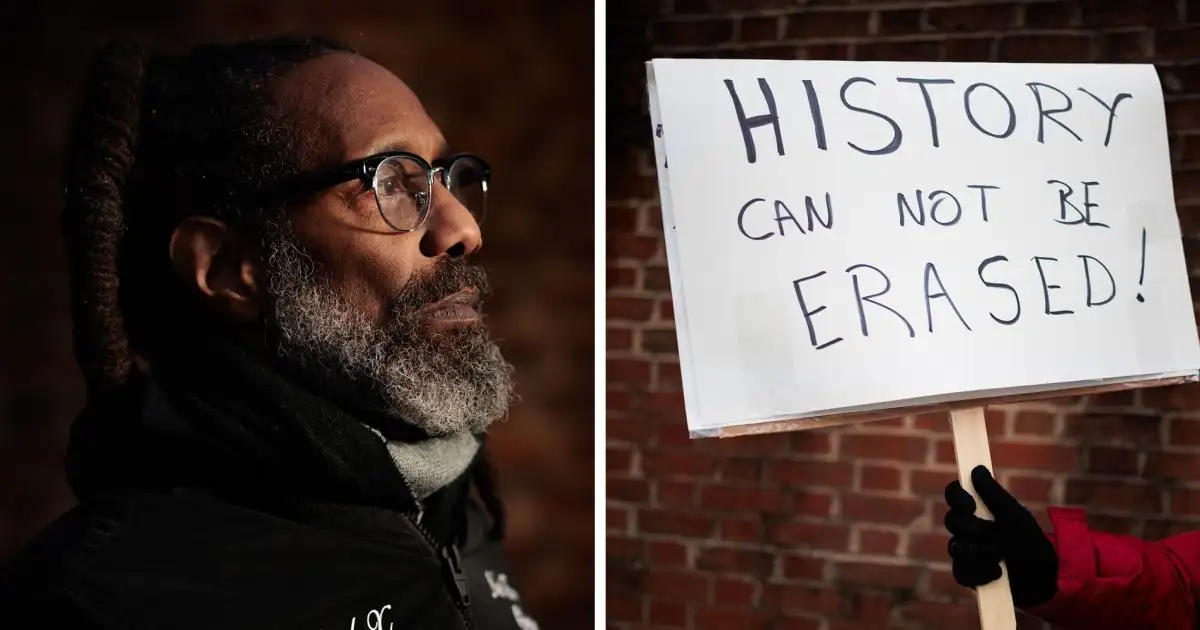
The removal of the exhibits at the President's House Site, part of Independence National Historical Park, was mandated by a March 2025 executive order from President Trump. This order directed federal agencies to remove "divisive, race-centered ideology" from cultural institutions. Activists and city officials had long advocated for the inclusion of these displays, which focus on the lives of enslaved individuals who worked at the President's House. The judge's ruling emphasizes the importance of preserving these historical accounts.
Read More: St. Augustine's ideas on justice help explain US politics
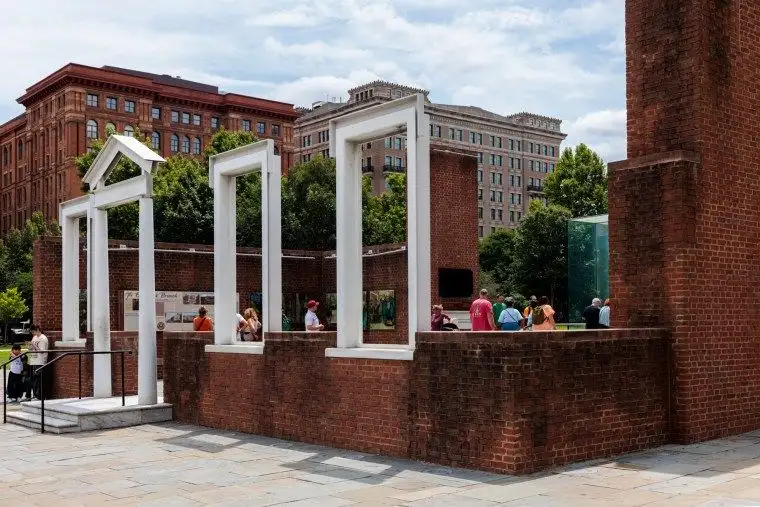
Background of the President's House Site and Exhibits
The President's House Site in Philadelphia commemorates the executive residence of Presidents George Washington and John Adams. Historical records indicate that enslaved individuals, including those owned by Washington, worked in the house.
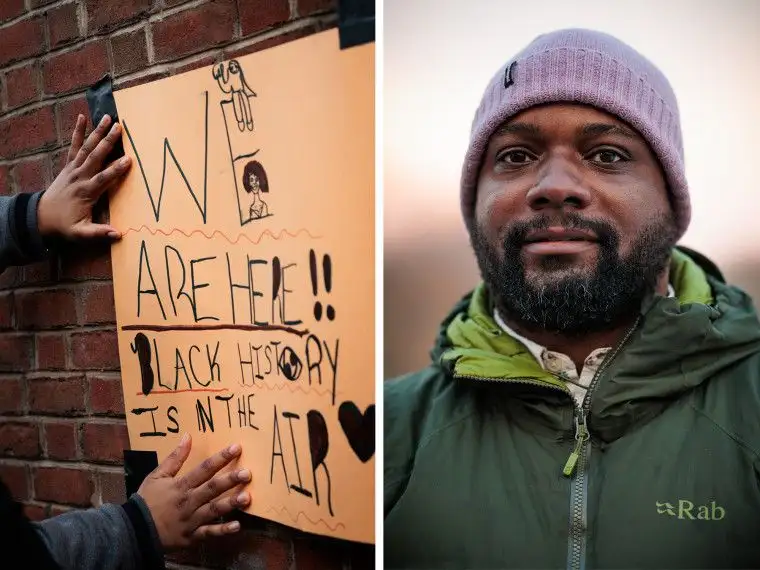
Exhibit Creation: For approximately 24 years, the site featured interpretive panels and exhibits detailing the lives of enslaved people. These were the result of advocacy by Black activists who sought to ensure this aspect of American history was acknowledged.
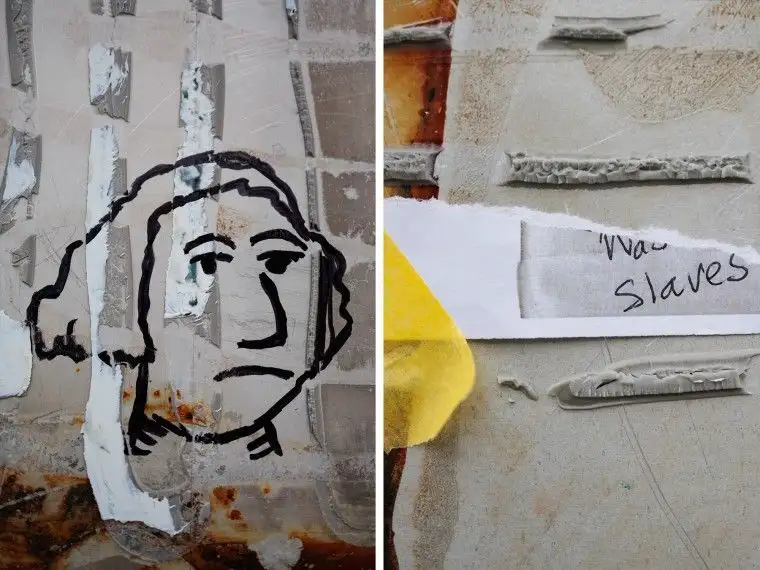
Removal: In early January, the Department of the Interior and the National Park Service removed 34 interpretive panels related to slavery. This action was taken to comply with President Trump's executive order, which aimed to revise federal curriculum and exhibits perceived as promoting certain ideologies.
Legal Action: Following the removal, the City of Philadelphia filed a federal lawsuit against the Department of the Interior and the National Park Service. The city argued that federal officials could not alter the President's House Site without the city's consent.
Judicial Intervention and Ruling
Senior U.S. District Judge Liles C. Rufe presided over the case and issued a preliminary injunction ordering the immediate restoration of the exhibits.
Orwellian Comparison: Judge Rufe likened the removal of the exhibits to actions described in George Orwell's novel "1984," a dystopian story about government manipulation of truth and history. She stated, "An agency… cannot arbitrarily decide what is true, based on its own whims or the whims of the new leadership, regardless of the evidence before it."
Undermining Interests: The judge's opinion noted that the removal of the slavery displays "undermines the City's statutory and long-running interests in the completion of Independence National Historical Park and the President's House."
Preservation Order: Earlier in February, Judge Rufe had ordered that the removed panels be kept safe pending her final decision, anticipating the legal challenge.
Perspectives on the Exhibits and Their Removal
The dispute involves differing views on historical interpretation and the role of federal agencies in managing public memory.
Supporters of Exhibit Restoration
Historical Significance: Black activists, like those who originally fought for the panels' installation, view them as a vital national memorial to enslaved people. Mijuel Johnson, a steering committee member of a coalition supporting the exhibits, described them as "not just panels" but a memorial to enslaved Americans, noting their significance as one of the first of its kind on federal property.
Educational Value: Proponents argue that these exhibits are crucial for educating current and future generations about a fundamental aspect of American history, offering a more complete understanding beyond standard textbook narratives.
Rationale for Exhibit Removal
Executive Order: The Trump administration's justification for removing the exhibits stemmed from Executive Order 13950, "Restoring Truth and Sanity to American History." This order instructed the Interior Department to remove "divisive, race-centered ideology" and narratives that could be seen as promoting a particular viewpoint from federal cultural institutions.
Department of the Interior Stance: A spokesperson for the Department of the Interior stated that the removal was in compliance with this executive order, which aimed to counter what the administration termed "pernicious and divisive ideologies."
Expert Analysis and Implications
Legal scholars and historians have weighed in on the ruling and its broader implications.
Federal vs. Local Control: The case raises questions about the balance of power between federal agencies and local governments in managing historic sites of national significance. The judge's order suggests a strong consideration for established local interests and collaborative efforts in such management.
Historical Revisionism: The judge's comparison to "1984" underscores concerns about potential government overreach in shaping historical narratives. Critics argue that attempts to remove or alter exhibits that present uncomfortable truths about American history can amount to a form of historical revisionism.
Preserving Diverse Narratives: The ruling may set a precedent for how federal courts intervene when historical exhibits are perceived to be politically motivated removals. It signals a judicial inclination to protect historically significant narratives, particularly those that have been part of a long-standing public dialogue and advocacy.
Conclusion and Next Steps
Judge Rufe's order mandates the immediate reinstatement of the slavery exhibits at the President's House Site. The ruling prohibits further changes to the site without mutual agreement between the Department of the Interior/National Park Service and the City of Philadelphia. This decision effectively halts the Trump administration's efforts to remove these specific historical displays, reinforcing the city's long-standing interest in the site's interpretation.
Read More: Eagles Release Graham, Re-sign Martin for Salary Cap
The Department of the Interior and the National Park Service are legally bound by this injunction. Future actions regarding the exhibits will likely depend on subsequent legal proceedings or potential policy shifts. The case underscores the ongoing public and legal engagement surrounding the presentation of American history, particularly concerning slavery and its legacy.
Sources:
ABC News: https://abcnews.go.com/US/judge-orders-trump-administration-restore-slavery-exhibit-presidents/story?id=130214521
NBC News: https://www.nbcnews.com/news/nbcblk/black-activists-fought-slavery-exhibits-24-years-ago-trump-fight-retur-rcna258827
NBC Philadelphia: https://www.nbcphiladelphia.com/news/local/judge-orders-slavery-exhibit-to-be-restored-at-the-presidents-house/4353438/
PhillyVoice: https://www.phillyvoice.com/presidents-house-slavery-exhibit-judge-order/
Rolling Stone: https://www.rollingstone.com/politics/politics-news/trump-ordered-restore-slavery-exhibits-strippped-from-historic-site-in-philly-1235517544/