A federal judge has ordered the Trump administration to reinstate historical exhibits detailing the role of slavery at the President's House site in Philadelphia. The ruling, which cites George Orwell's "1984," was issued after the National Park Service removed the displays. The City of Philadelphia had sued the administration, arguing the removal was improper and that the city should have been consulted.
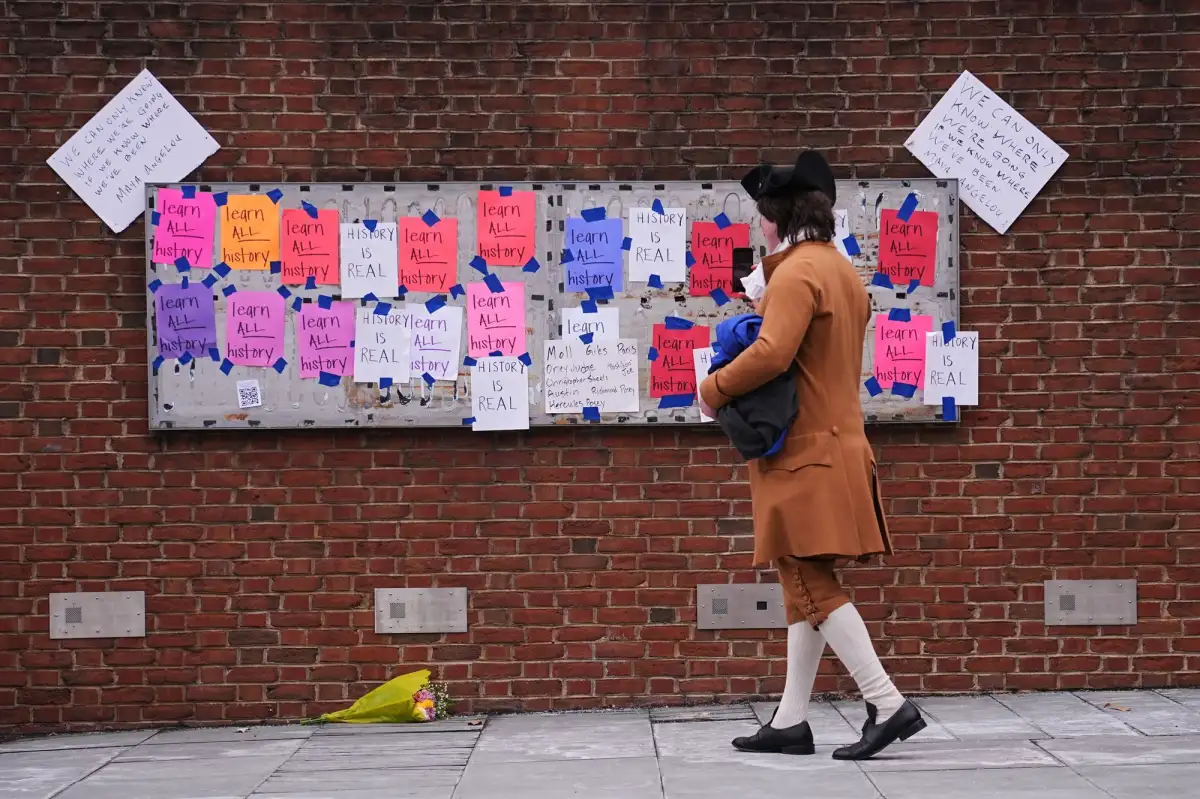
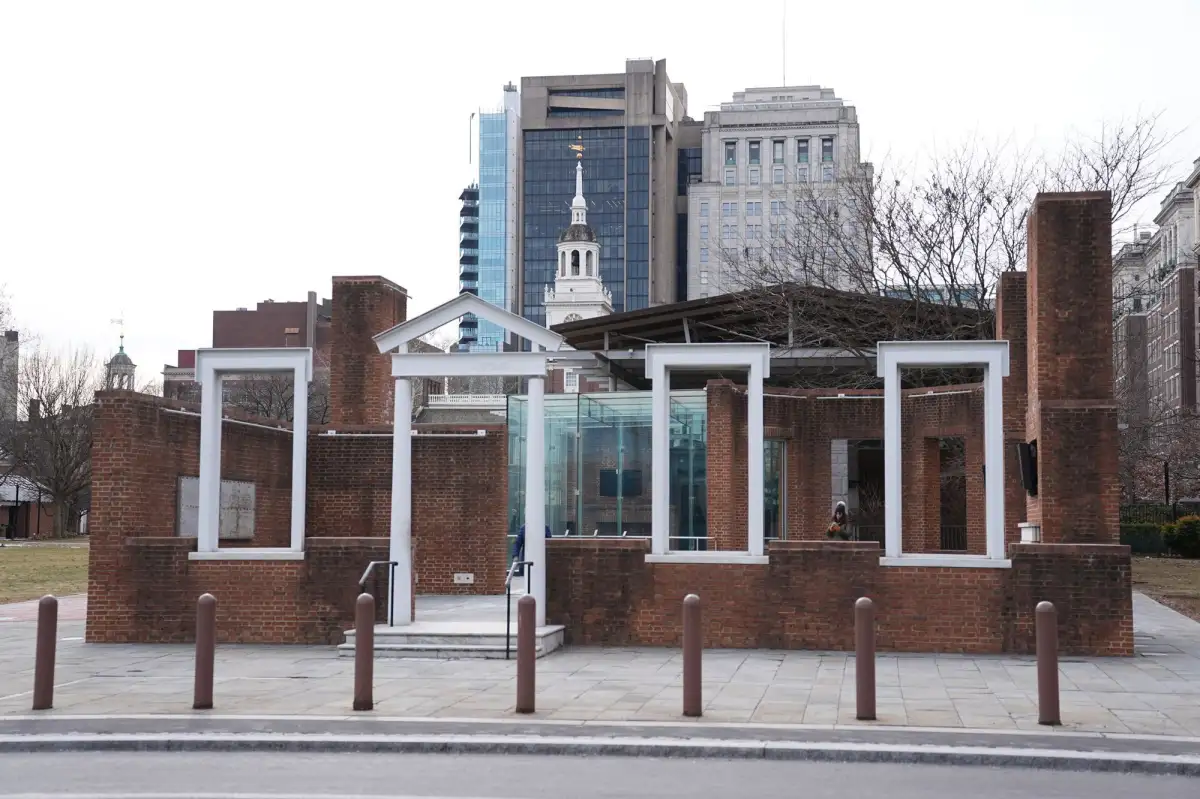
The President's House site, where Presidents George Washington and John Adams once lived, featured exhibits acknowledging the enslaved individuals who worked there. These panels were removed last month, prompting legal action from Philadelphia.
Background of the Dispute
In recent weeks, large display panels at the President's House Site in Philadelphia were taken down by work crews. This site is part of Independence National Historical Park and marks a location where early U.S. presidents resided. The removed exhibits specifically addressed the history of slavery, including the enslaved people who labored at the President's House.
Read More: Trump Admin Split America's 250th Birthday Plans

Following the removal of these exhibits, the City of Philadelphia initiated legal proceedings. The city's lawsuit, filed in federal court, contended that the federal government failed to consult with the city before making changes to the historical site. The legal challenge argued that the removal of the slavery exhibits violated the Administrative Procedures Act.
The lawsuit named the National Park Service, its acting Director Jessica Bowron, the U.S. Department of the Interior, and Secretary Doug Burgum as defendants. The city sought the restoration of the removed displays and a halt to any further alterations to the site.
The Court's Ruling and Reasoning
U.S. District Judge Cynthia Rufe, an appointee of former President George W. Bush, issued a preliminary injunction mandating the restoration of the exhibits. Judge Rufe’s ruling stated that Philadelphia was "likely to prevail on its claims that the removal was arbitrary and capricious" and that the city "met its burden to establish irreparable harm."
Read More: Eagles Release Graham, Re-sign Martin for Salary Cap

The judge determined that "the balance of harms and the public interest tip in the city's favor." Her injunction requires the reinstallation of "all panels, displays, and video exhibits that were previously in place" and prohibits the defendants from making "any additions, removals, destruction, or further changes of any kind to the President's House site."
Crucially, Judge Rufe drew parallels between the administration's actions and George Orwell's dystopian novel "1984." She referenced the novel's description of the Ministry of Truth's Records Department, which dealt with the destruction of superseded documents. The judge observed that the government in this case "likewise asserts truth is no longer self-evident, but rather the property of the elected chief magistrate and his appointees and delegees, at his whim to be scraped clean, hidden, or overwritten."
Read More: Alabama Civil Rights: Federal troops sent to enforce laws
Reactions to the Ruling
The judge's decision and her references to Orwell's "1984" have drawn commentary. One journalist noted the ruling on Presidents' Day, a federal holiday. City Council President Kenyatta Johnson stated, "Black history is American history," in response to the ruling.
Several county governments, including Montgomery, Bucks, Chester, and Delaware Counties, filed an amicus brief in support of preserving the slavery exhibits.
The federal government has the option to appeal the judge’s order. The Department of the Interior and the National Park Service had not immediately commented on the ruling as of the report's publication.
Conflicting Perspectives on Historical Interpretation
The core of the dispute centers on the authority and appropriateness of government bodies altering or removing historical exhibits, particularly those pertaining to sensitive aspects of American history.
Preservation of Historical Narratives
Advocates for maintaining the exhibits, including the City of Philadelphia and supporting counties, argue that removing or altering displays about slavery constitutes a form of historical revisionism or sanitization. They assert that such exhibits are crucial for a comprehensive understanding of American history, including the contributions and struggles of enslaved people. The legal action taken by Philadelphia suggests a belief that these exhibits are integral to the site's educational mission and that their removal was an arbitrary decision.
Read More: Eagles' DeVonta Smith Could Get First All-Pro Award in 2026
Governmental Discretion in Display Management
Conversely, the Trump administration, through the National Park Service, presumably acted on its authority regarding the management and curation of federal historical sites. While not explicitly detailed in the provided summaries, such actions can sometimes stem from a desire to re-evaluate or re-contextualize historical narratives, or to comply with evolving directives. The assertion of power by the government, as noted by Judge Rufe, points to a potential belief in executive discretion over federal property and its interpretive content.
Expert and Legal Commentary
Legal experts note the significance of Judge Rufe's preliminary injunction, particularly her application of the Administrative Procedures Act. The finding that the removal was "arbitrary and capricious" suggests a procedural failing by the administration, rather than a judgment on the ultimate historical interpretation itself.
The use of "1984" as an analogy, while potent, is a rhetorical device employed by the judge to underscore her interpretation of the government's actions as an attempt to control or manipulate historical truth. This comparison frames the administrative decision-making process in a starkly negative light, suggesting a disregard for established historical facts.
Read More: New TV Show About JFK Jr. and Carolyn Bessette Causes Talk
Conclusion and Next Steps
A federal judge has issued a preliminary injunction ordering the Trump administration to reinstate exhibits on slavery at Philadelphia's President's House site. This ruling followed a lawsuit filed by the City of Philadelphia, which argued the removal of the displays was improper. Judge Rufe cited George Orwell's "1984" in her decision, likening the administration's actions to the fictional Ministry of Truth.
The immediate implication is that the National Park Service must restore the removed panels and displays. The preliminary injunction also bars any further alterations to the site while litigation continues.
The federal government has the option to appeal this order. Future legal proceedings will likely focus on whether the National Park Service's removal of the exhibits violated administrative procedures and historical preservation standards. The case highlights the ongoing debates surrounding the presentation of difficult historical truths in public spaces and the legal avenues available to challenge administrative decisions.
Read More: Kyle Schwarber returns as Phillies win streak hits 15-4 record
Sources Used:
Twitchy: https://twitchy.com/justmindy/2026/02/16/slavery-federal-judge-orders-trump-philadelphia-n2425083
Context: General news outlet reporting on the judge's order.
CNN Politics: https://edition.cnn.com/2026/02/16/politics/philadelphia-slavery-exhibits-judge-orders-return-orwell
Context: Major news network providing details on the judge's ruling, including her name, party affiliation, and the legal basis for the injunction.
Common Dreams: https://www.commondreams.org/news/trump-1984
Context: News outlet that focuses on progressive perspectives, providing detailed quotes from the judge's ruling and commentary from local officials.
The Philadelphia Inquirer: https://www.inquirer.com/news/philadelphia/slavery-exhibits-presidents-house-site-philadelphia-restoration-federal-judge-ruling-trump-20260216.html
Context: Local newspaper covering the event, including statements from city officials and the federal government's options.