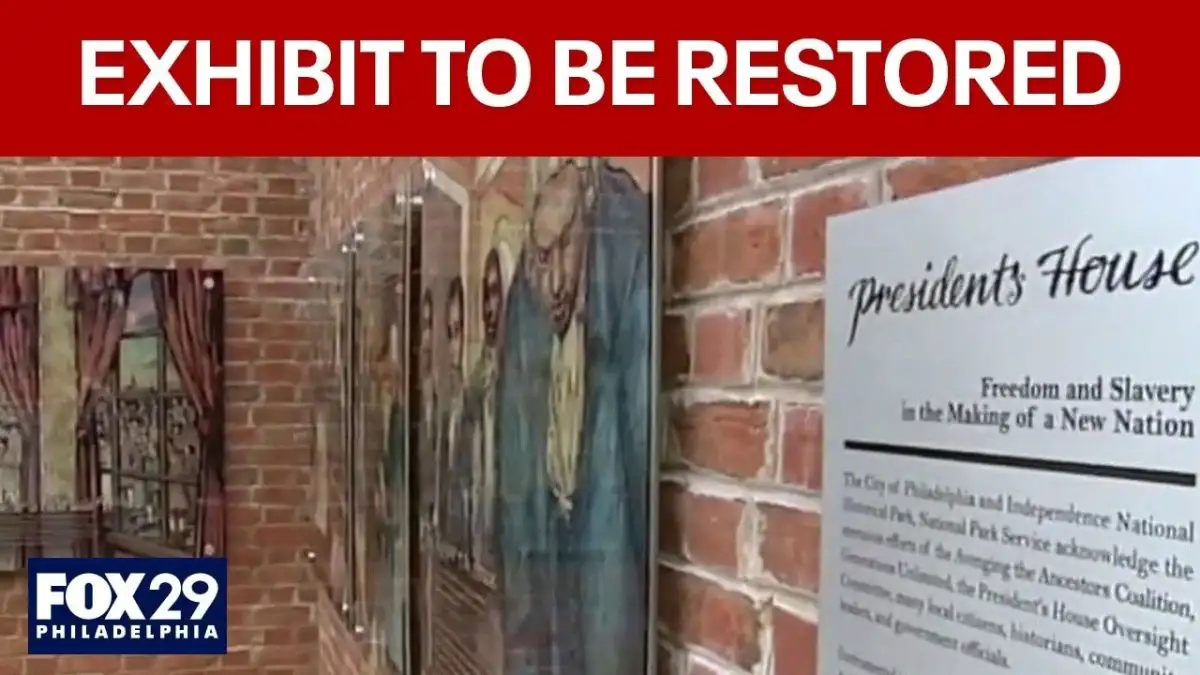
A federal judge has commanded the U.S. National Park Service to put back a slavery exhibit at a historical site in Philadelphia. This order comes as part of a legal fight after the city sued the federal government over the exhibit's removal. The exhibit, located at the President's House Site, details the history of slavery and George Washington's ownership of enslaved people during his presidency in Philadelphia. The judge's decision requires the exhibit's return while the lawsuit proceeds, preventing further changes to the site without city agreement.

Background of the Dispute
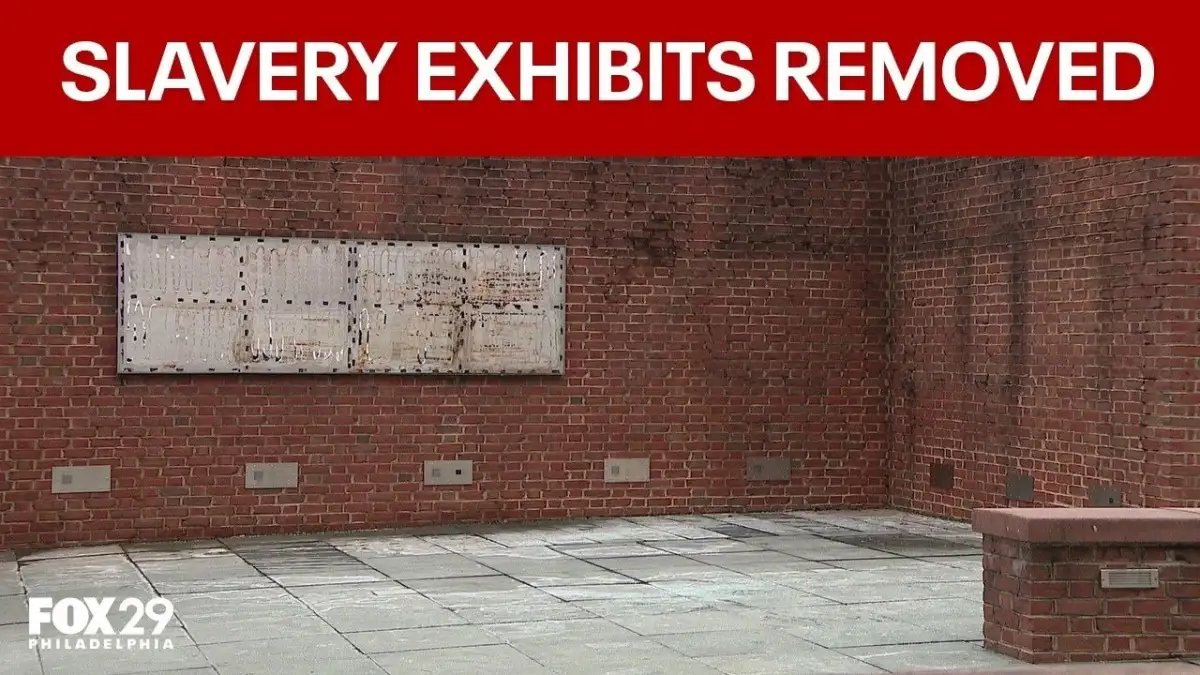
The exhibit in question was situated at the President's House Site within Independence National Historical Park. This location served as the residence of the first U.S. president, George Washington, and his enslaved workers when Philadelphia was the nation's capital in the 1790s. In early 2026, work crews removed display panels that described the history of slavery and the enslaved individuals who lived at the site, including details about Oney Judge's escape.
Read More: US 250th Anniversary: Pride Divided by Politics
January 2026: National Park Service workers removed explanatory panels about slavery from the President's House Site.
Following Removal: The City of Philadelphia filed a lawsuit in federal court, accusing the Department of the Interior and the National Park Service of breaking the law and seeking the restoration of the exhibit.
Protests: Community members organized protests and posted their own signs at the site.
The National Park Service cited Executive Order 14253, "Restoring Truth and Sanity to American History," issued in March 2025, as a justification for the removal, arguing for a focus on "greatness of achievements and progress."
Court's Intervention and Ruling
On Presidents Day, February 16, 2026, U.S. District Judge Cynthia Rufe ordered the National Park Service to reinstate the slavery exhibit. The judge granted the City of Philadelphia's request for a preliminary injunction, halting the federal government's actions to alter the site.

Judge's Order: The National Park Service is to restore the exhibit immediately and is prohibited from making any further changes to the site without written agreement from the City of Philadelphia.
Legal Basis: The judge found that Philadelphia is likely to succeed on several legal grounds, including claims that the National Park Service acted arbitrarily and capriciously, violating the National Underground Railroad Network to Freedom Act. The court also determined that Philadelphia has legal standing to sue due to federal statutes, agreements with the Department of the Interior and NPS, land ownership within the park, and significant financial investment in the President's House Site.
Judicial Reasoning: Judge Rufe referenced George Orwell's "1984" and stated that an agency cannot "arbitrarily decide what is true, based on its own whims or the whims of the new leadership."
Conflicting Perspectives on Historical Interpretation
The removal and subsequent ordered reinstallation of the exhibit highlight a broader tension regarding how historical narratives, particularly those involving slavery, are presented at national sites.
The Federal Government's Position (as implied by actions and justifications)
Focus on "Greatness": The administration's actions suggest a directive to emphasize positive historical achievements rather than narratives perceived as "disparaging" past figures.
Executive Authority: Reliance on Executive Order 14253 implies a belief in the administration's authority to direct historical interpretation at federal sites.
Discretion over Exhibits: The government's legal arguments in its brief indicated a belief that the National Park Service possesses discretion over exhibit content and that the city's lawsuit could be dismissed on procedural grounds.
The City of Philadelphia's Position
Preservation of Truth: The city's lawsuit aims to ensure that factual historical information, especially regarding slavery, is preserved and accessible.
Consultation Requirements: Philadelphia contends that the federal government was required to consult with the city before altering the historic site.
Legal Rights: The city asserts its legal rights under federal statutes and agreements with federal agencies.
Next Steps and Implications
The judge's order mandates the restoration of the slavery exhibit, pending the resolution of the ongoing litigation. The federal government has the option to appeal the judge's ruling. This decision also acts as a freeze on any further alterations to the President's House Site unless a mutual agreement is reached between the National Park Service and the City of Philadelphia. The court's findings suggest that federal agencies cannot unilaterally change historical interpretations without adhering to legal processes and considering established historical frameworks.
Read More: Eagles Release Graham, Re-sign Martin for Salary Cap
Immediate Action: The National Park Service is required to restore the exhibit.
Future Changes: Any modifications to the site now require mutual agreement.
Potential Appeal: The federal government may appeal the judge's decision.
The legal battle underscores the importance of public access to comprehensive historical accounts, particularly concerning difficult truths like slavery, and the legal recourse available when such access is perceived to be curtailed by federal agencies.
Sources
The Guardian: https://www.theguardian.com/us-news/2026/feb/16/philadelphia-slavery-exhibit
CBS News Philadelphia: https://www.cbsnews.com/philadelphia/news/slavery-exhibits-presidents-house-site-philadelphia-orders/
NBC Philadelphia: https://www.nbcphiladelphia.com/news/local/judge-orders-slavery-exhibit-to-be-restored-at-the-presidents-house/4353438/
Los Angeles Times: https://www.latimes.com/world-nation/story/2026-02-16/judge-orders-slavery-exhibits-restored-at-george-washingtons-philadelphia-home
Associated Press: https://apnews.com/article/george-washington-slavery-exhibit-restored-trump-2a32236320f280ba3e647d900c1301b4
CNN Politics: https://edition.cnn.com/2026/02/16/politics/philadelphia-slavery-exhibits-judge-orders-return-orwell
Rolling Stone: https://www.rollingstone.com/politics/politics-news/trump-ordered-restore-slavery-exhibits-philadelphia-1235517544/