Alexandria Ocasio-Cortez, a U.S. Representative, has publicly challenged remarks made by Secretary of State Marco Rubio regarding the historical origins of the American cowboy. The exchange, which occurred following Rubio's speech at the Munich Security Conference, highlights differing perspectives on the cultural and historical influences that shaped Western American identity. Ocasio-Cortez’s commentary has been interpreted by some as an accusation of racism, while others view it as a broader critique of historical narratives that overlook the contributions of various ethnic and racial groups.
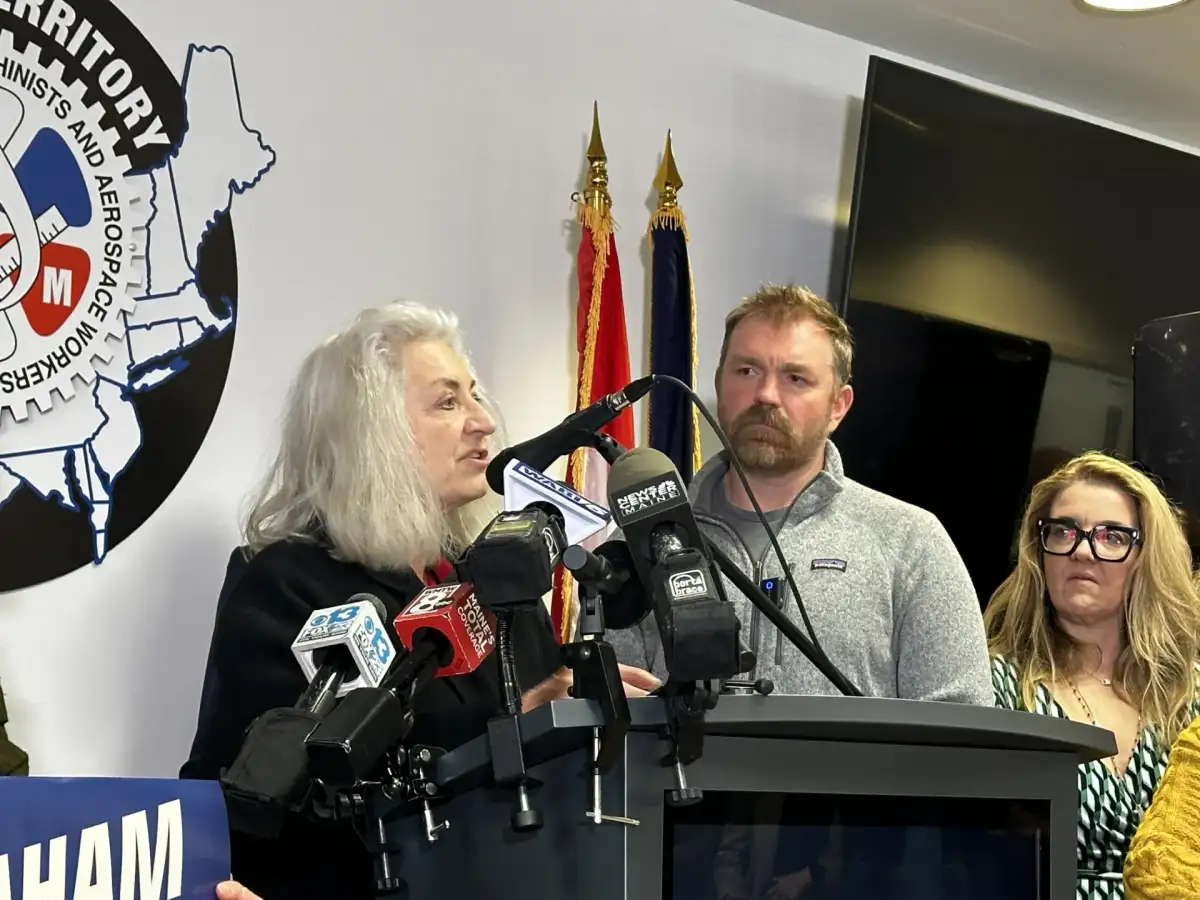
The debate centers on a statement made by Marco Rubio, who, during a speech, attributed the origins of the American cowboy to Spain. He highlighted the Spanish colonial roots and the introduction of horses to the Americas by Spanish explorers. In response, Representative Alexandria Ocasio-Cortez, speaking at a separate event, questioned this assertion. She suggested that individuals of Mexican and African descent, particularly those descended from enslaved peoples, also have a significant claim to the cowboy legacy. This exchange has been documented and shared across various news platforms.
Read More: Pam Bondi's Portrait Found in Trash After DOJ Exit on Thursday
Historical Roots of the Cowboy
Marco Rubio's perspective emphasizes the historical role of Spain in shaping the American West.

Rubio pointed to Spanish explorers and colonists as the originators of cowboy traditions.
He noted that Spain introduced horses to Mexico and the New World, a crucial element in the development of ranching and cattle herding.
This viewpoint aligns with historical accounts that detail the early Spanish ranches and their methods of managing livestock.
Alexandria Ocasio-Cortez's counterpoint focuses on the contributions of other groups.
She argued that focusing solely on Spanish influence neglects the vital roles played by Mexican people and descendants of African slaves.
Ocasio-Cortez suggested that these groups were instrumental in developing and maintaining cowboy culture and practices.
Her remarks bring to the forefront the complex, multi-ethnic history of the American West.
Disputed Narratives and Cultural Identity
The differing accounts prompt a closer examination of historical narratives.
Rubio's statement, which garnered a standing ovation at the Munich Security Conference, presented a seemingly straightforward lineage for the cowboy.
Ocasio-Cortez's response suggests that this narrative is incomplete and potentially exclusionary.
She implies that the "cowboy legacy" is not solely a Spanish inheritance but a composite culture shaped by diverse peoples.
The debate touches on broader themes of cultural identity and historical acknowledgment.

Ocasio-Cortez's intervention has been seen by some as a critique of Eurocentric historical accounts.
Her framing, suggesting that Mexicans and descendants of African slaves "would like to have a word," implies a need for greater recognition of their contributions.
The controversy underscores the ongoing re-evaluation of historical narratives in the United States.
Expert and Media Commentary
Media outlets have framed the exchange in various ways, reflecting different interpretations.
Some reports characterize Ocasio-Cortez's remarks as an attempt to "mock" Rubio, suggesting a partisan attack.
Other analyses highlight her emphasis on inclusivity and the complex tapestry of American history.
There are also critiques that suggest Ocasio-Cortez's arguments lack substance or are confusing, presenting them as "word salad."
Scholarly and historical sources offer context for both perspectives.
Historical research indicates that Spanish culture and practices were indeed foundational to early ranching in the Americas.
However, there is also significant evidence detailing the integral roles of Indigenous peoples and enslaved Africans in developing cattle ranching and cowboy skills.
For example, the contributions of African Americans to cattle herding and horse training are increasingly recognized in historical studies.
Conclusion
The public exchange between Representatives Marco Rubio and Alexandria Ocasio-Cortez regarding the origins of the American cowboy reveals a tension between traditional historical narratives and a more inclusive, multi-ethnic understanding of the American West. Rubio's focus on Spanish colonial influence highlights established historical accounts of equestrian culture's introduction to the Americas. Conversely, Ocasio-Cortez's commentary emphasizes the crucial, yet often overlooked, contributions of Mexican people and descendants of African slaves, suggesting a more complex and composite origin for the cowboy identity. The ensuing debate invites a deeper investigation into historical records to achieve a comprehensive acknowledgment of the diverse groups who shaped this iconic figure and the culture associated with him.
Read More: 2500-Year-Old Dacian Helmet Stolen From Drents Museum in Netherlands Recovered After Plea Deal
Sources Used:
MEAWW News: https://news.meaww.com/video/speak-to-mexicans-african-slaves-aoc-mocks-marco-rubio-over-cowboys-origins-claim
Ground.News: https://ground.news/article/huh-aoc-gives-word-salad-about-inequality-suggests-marco-rubio-is-racist-for-saying-cowboys-came-from-spain-i-believe-the-mexicans-and-des94909c
Patriot Fetch: https://patriotfetch.com/2026/02/aoc-munich-security-conference-wealth-inequality-cultural-identity/
Grabien: https://grabien.com/file?id=3377956 (Provides access to a clip of Ocasio-Cortez's remarks)
That Western Life: https://www.thatwesternlife.com/podcast/episode117 (Podcast discussing the impact of slavery on the modern West and cowboy culture)
The Daily Wire: https://www.dailywire.com/news/aoc-tries-to-dunk-on-rubio-over-cowboys-from-spain-history-dunks-back