The Olympic Games, a global spectacle of athletic prowess and national pride, have also been a stage for significant controversies and ethical breaches. From doping allegations to political boycotts and outright sabotage, the pursuit of gold medals has, at times, been overshadowed by incidents that tested the integrity and spirit of the competition. These events have not only impacted individual athletes but have also prompted changes in the rules and oversight of the Games.
A Legacy Marked by Scandals
The history of the modern Olympic Games is interwoven with moments of exceptional athletic achievement, but also with a notable series of scandals. These incidents, ranging from the 1936 Berlin Games hosted by Nazi Germany to more recent doping revelations, highlight persistent challenges in maintaining fairness and upholding the ideals of sport.

Key Incidents and Controversies
Over the decades, various events have drawn significant attention and scrutiny.
Read More: Arsenal Wins 1-0 vs Everton After Controversial Late Goal
Doping and Performance-Enhancing Drugs
Allegations and confirmed instances of doping have repeatedly surfaced, leading to disqualifications and the stripping of medals.

Marion Jones: The American track and field athlete was stripped of her five Olympic medals after admitting to using steroids.
Ben Johnson: His 100m world record and Olympic gold medal in 1988 were revoked after a failed drug test revealed the presence of stanozolol.
Kamila Valieva: The Russian figure skater's positive test for trimetazidine, reportedly from a mix-up with her grandfather's medication, became a focal point of controversy.
Judging and Competition Irregularities
Decisions made by judges and officials have also been a source of major contention.
Figure Skating Pairs Competition: A notorious incident saw Berezhnaya and Sikharulidze awarded gold medals, while Salé and Pelletier's silver was upgraded to gold after a review, leading to widespread debate about judging impartiality.
Boxing Scoring: Concerns over corrupt judging and officiating in boxing arose following controversial semifinal rulings, which eventually spurred reforms in the sport's scoring and oversight.
Political and Social Tensions
The Olympic Games have frequently been a platform for political statements and unfortunately, for tragic events.

1936 Berlin Olympics: The Games were hosted by Nazi Germany, a decision fraught with political implications.
1956 Melbourne Olympics: The "Blood in the Water" water polo match between Hungary and the Soviet Union occurred amidst political unrest.
1972 Munich Olympics: The Games were marred by the hostage-taking and murder of Israeli athletes by the Palestinian group Black September.
1980 Moscow and 1984 Los Angeles Olympics: These Games were significantly impacted by Cold War boycotts, with the United States leading a boycott of the Moscow Games, and the Soviet Union subsequently leading a boycott of the Los Angeles Games.
1996 Atlanta Bombing: A bomb exploded in Centennial Olympic Park, resulting in fatalities and injuries.
Krystsina Tsimanouskaya Incident: In the Tokyo 2020 Games, the Belarusian sprinter was removed from her team and sought protection after criticizing her coaches, highlighting issues of athlete rights and political interference.
Age and Eligibility Scandals
Questions surrounding the eligibility of athletes have also arisen.
Dong Fangxiao: The Chinese gymnast was found to have lied about her age to meet eligibility requirements, leading to the forfeiture of medals.
Athlete Conduct and Disqualifications
Instances of athletes engaging in prohibited behavior or actions leading to disqualification have also been recorded.

Tonya Harding and Nancy Kerrigan: The dispute involving Harding's alleged role in an attack on her competitor Kerrigan created a significant scandal that led to Harding being banned from figure skating. While Harding was allowed to compete in the Olympics, she finished eighth.
Marathon Runner Disqualification: In the 1896 Athens Games, a marathon runner was disqualified for using a carriage.
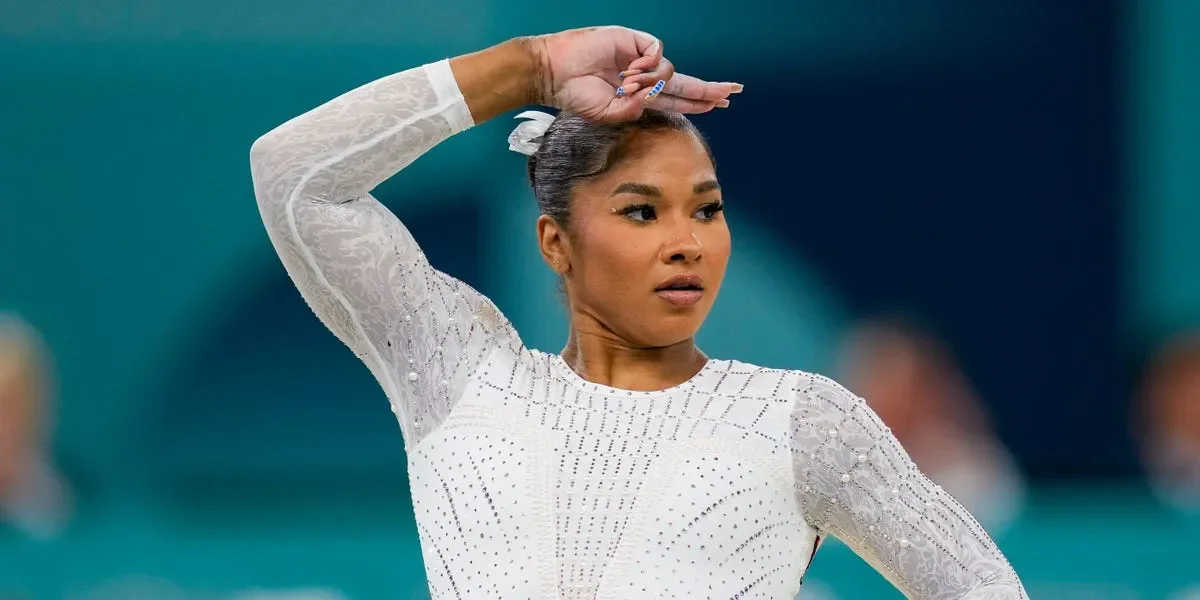
Jordan Chiles: The Team USA gymnast had her bronze medal revoked due to a court ruling, a decision she was reportedly appealing.
Expert Insights
The persistent occurrence of these issues has led to a greater emphasis on integrity within the Olympic movement.
"The Olympics represent a peak of human endeavor, but they also hold a mirror to the complexities of the world. The scandals, while disappointing, have often been catalysts for reform, pushing the Olympic movement to be more transparent and fair."
The need for robust anti-doping programs, impartial judging, and a firm stance against political interference remains a continuous challenge.
Conclusion
The history of the Olympic Games is a complex tapestry, featuring moments of unparalleled athletic achievement alongside significant ethical and organizational failures. The documented scandals, from doping to political manipulation and judging controversies, underscore the inherent difficulties in maintaining a purely meritocratic and apolitical international sporting event. These incidents have, however, served as critical junctures, prompting the implementation of reforms aimed at safeguarding the integrity of the Games and reinforcing their foundational ideals. The ongoing vigilance and commitment to fairness are essential for the continued relevance and credibility of the Olympic movement.
Read More: Why Humans Haven't Returned to the Moon Since 1972
Sources
Business Insider: "17 of the biggest scandals in Olympic history" - https://www.businessinsider.com/biggest-olympic-scandals-controversies
Grunge: "These Are The Biggest Scandals To Ever Hit The Olympics" - https://www.grunge.com/2077677/biggest-olympic-scandals-history/
Mental Floss: "10 Scandals That Rocked the Summer Olympics" - https://www.mentalfloss.com/sports/olympics/summer-olympics-scandals
Stadium Talk: "17 Olympic Scandals That Changed the Games Forever" - https://stadiumtalk.com/s/shocking-olympic-scandals/
TheQuickReport: "15 Olympic Scandals That Rocked the World" - https://thequickreport.com/entertainment/biggest-olympic-scandals/
BuzzFeed: "15 Unbelievable Historical Facts From Past Olympics That I Guarantee You Never Knew About" - https://www.buzzfeed.com/abbyzinman/historical-olympics-facts?origin=morebf