:max_bytes(200000):strip_icc()/2643001_LeahC_02-2000-96d5a450a98c401292e8a7fbbbfcc950.jpg)
A Taste of Activism: How Restaurants Fueled the Fight for Equality
During the Civil Rights Movement, certain Black-owned restaurants were more than just places to eat. They served as vital hubs for activists, offering safe spaces for meetings, strategy sessions, and even fundraising. These establishments provided a discreet yet crucial backdrop for revolutionary actions, weaving food and freedom into a shared narrative of progress. The enduring legacy of these eateries speaks to their deep impact, showing how comfort food could also be a catalyst for significant social change.
The Role of Food in a Time of Change
The Civil Rights Movement, spanning decades, saw Black communities striving for equal rights and an end to segregation. In this period, Black-owned businesses, including restaurants, played a unique and multifaceted role. They were not only centers of community life and cultural identity but also provided practical support for the movement's leaders and participants. The food served often evoked a sense of heritage and resilience, fostering a connection to cultural roots during a challenging era.
Read More: St. Augustine's ideas on justice help explain US politics
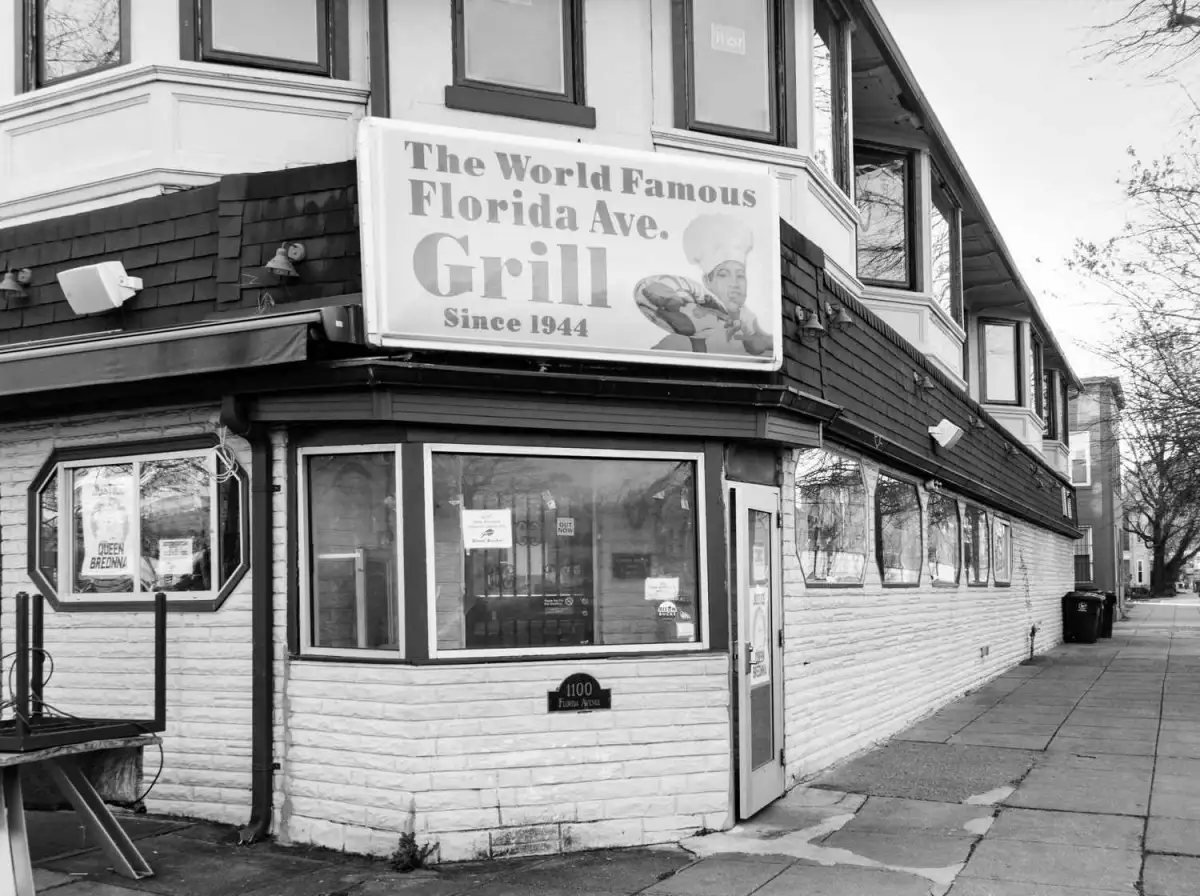
Community Hubs: Restaurants offered a place where Black people could gather freely, a significant act in a segregated society.
Safe Havens: For activists, these eateries provided a semblance of normalcy and security, allowing for important discussions away from public scrutiny.
Fundraising Venues: Events held at these restaurants helped gather essential funds to support civil rights initiatives.
Cultural Symbols: Soul food, often featured on the menus, represented a powerful symbol of cultural identity and the resilience of Black Americans.
Evidence of Influence: Key Establishments and Their Contributions
Several Black-owned restaurants stand out for their significant contributions to the Civil Rights Movement. These establishments often provided a discreet environment for activists to strategize and connect.
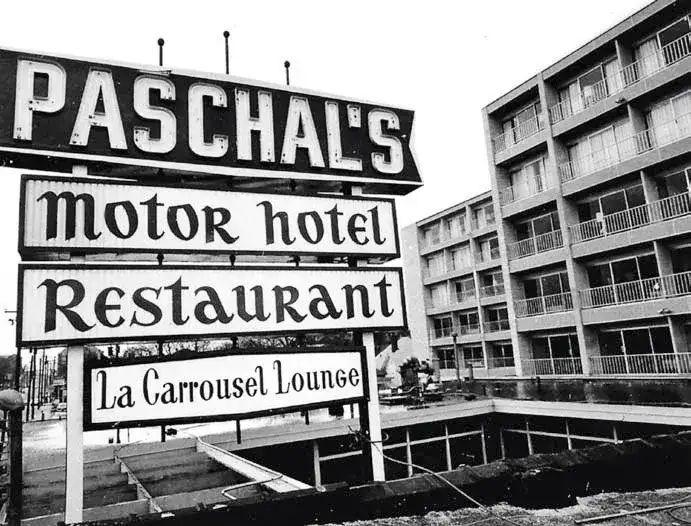
Paschal's Restaurant & Coffee Shop: Located in Atlanta, Paschal's evolved from a beloved community eatery into a crucial supporting player in the Civil Rights Movement. Its dual function as a restaurant and, at times, a motel, provided convenient and private meeting spaces for activists.
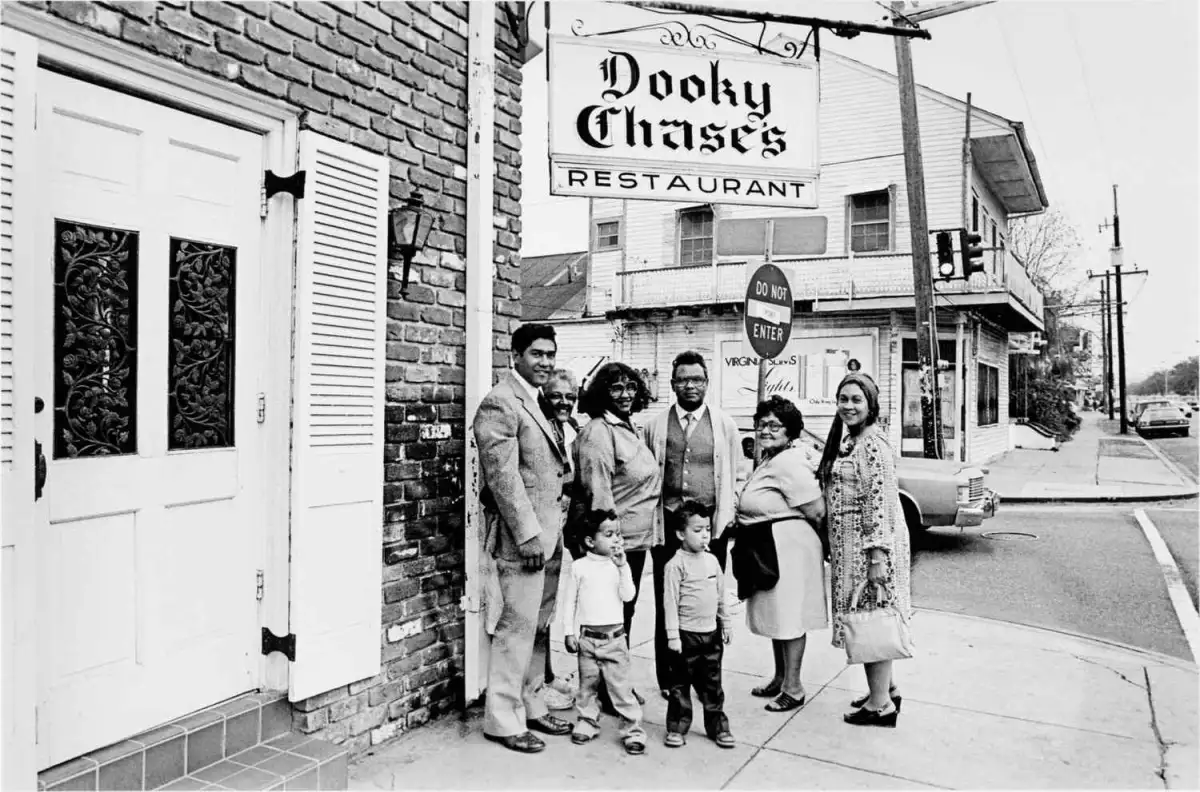
Dooky Chase's Restaurant: In New Orleans, Dooky Chase's had a long-standing tradition of supporting civil rights workers, even hosting banquets in their honor. The restaurant was a place where people felt connected to the movement.
Four Way: This Memphis eatery is remembered for its comforting soul food, which evoked strong memories and emotional connections for those who dined there, including civil rights leaders.
These establishments served iconic dishes, including fried chicken, chicken and waffles, and various Southern sides, which were not only culinary staples but also symbols of home and community.
The Power of Sustenance: Food as a Tool for Resistance
The act of preparing and sharing food held profound meaning during the Civil Rights Movement. It was an expression of care and solidarity, ensuring the survival and well-being of those on the front lines of activism.
Nourishment and Support: Providing meals for activists was a tangible way to show support and allow them to continue their demanding work.
Economic Empowerment: Supporting Black-owned restaurants also represented a form of economic empowerment for the Black community.
A Sense of Belonging: Sharing meals created a sense of unity and collective purpose among activists and community members.
Food as a Catalyst: Fundraisers and Cultural Identity
Food played an active role in advancing civil rights initiatives, serving as a means to both finance the movement and reinforce cultural identity.

Financial Support: Fundraisers centered around food were instrumental in generating the financial resources needed for civil rights campaigns.
Cultural Expression: Soul food, in particular, was more than just sustenance; it was a significant symbol of cultural identity, resilience, and heritage for African Americans.
The intertwining of food and the Civil Rights Movement highlights a unique aspect of history, demonstrating how culinary traditions could become powerful tools in the fight for justice and equality.
Read More: State Commission reviews Dalit issues in Chittoor, Andhra Pradesh
Expert Insights: Culinary Contributions and Recognition
Historians and scholars note the often-overlooked contributions of Black culinary artists to American culture and history.
"African American culinary artists have more than earned a rightful place at the table of culinary contribution and power." - Diane M. Spivey
This perspective underscores that while Black culinary achievements have historically been marginalized, their impact on cuisine and social movements is undeniable. The narratives and recipes from this era offer valuable insights into the political and social landscape of the time and continue to resonate today.
Conclusion: Enduring Legacies of Flavor and Freedom
Black-owned restaurants during the Civil Rights Movement served as critical platforms for activism, community building, and cultural preservation. These establishments provided more than just meals; they offered safe havens, facilitated strategic planning, and raised essential funds for the cause of equality. The enduring appeal of soul food and the memory of these vibrant eateries underscore their lasting impact. They stand as testaments to the power of food to unite, sustain, and propel forward movements for profound social change. The continued operation of many of these restaurants today is a direct link to this history, showcasing their resilience and enduring importance.
Read More: The Plot Against America Miniseries Discussed in April 2026
Sources
USAToday: "Appetite for equality: US revolutionary black eateries that endure to this day" - https://www.usatoday.com/story/news/nation/2026/02/16/black-owned-restaurants-played-vital-role-in-civil-rights-movement/87613932007/
Southern Living: "Black Restaurants That Fed The Civil Rights Movement" - https://www.southernliving.com/black-restaurants-civil-rights-movement-6535779
Uncle Dibbz: "Food as a Catalyst for Change: The Culinary Legacy of the Civil Rights Era" - https://uncledibbz.com/blogs/uncle-dibbz-blog/food-as-a-catalyst-for-change-the-culinary-legacy-of-the-civil-rights-era
ASALH: "At the Table of Power: Food and Cuisine in the African American Struggle for Freedom, Justice and Equality" - https://asalh.org/at-the-table-of-power-food-and-cuisine-in-the-african-american-struggle-for-freedom-justice-and-equality/