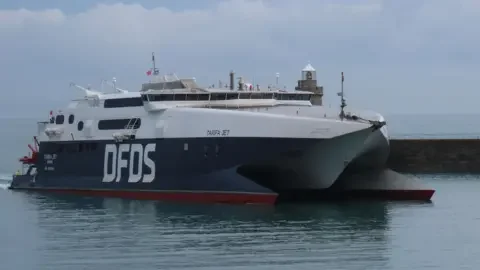
A review of Jersey's ferry service contract with DFDS has revealed significant concerns regarding pricing structures and overall service performance. The findings, released by a scrutiny panel, highlight dissatisfaction among islanders and businesses, with specific calls for an independent review of the "flat-rate freight system" and a demand for faster sailings to and from St. Malo. The panel concluded that the current service does not meet established expectations, citing issues with sailing times, the availability of day trips, vessel condition, and prices.

Freight Pricing Under the Microscope
The core of the criticism centers on a flat-rate freight system implemented under the new ferry contract between the Government of Jersey and DFDS. Under this arrangement, all freight providers are charged the same rate per metre of space occupied on the ship, a system that has drawn sharp opposition from businesses. The scrutiny panel is urging the government to commission an independent assessment of these freight prices. The government has been approached for comment on these findings.
Read More: Elizabeth Line Helps Londoners During Tube Strike on July 6

Service Expectations vs. Reality
The review also pointed to a mismatch between the service islanders and businesses experience and their expectations. Deputy Montfort Tadier, who chaired the panel, stated that "it is clear that the service islanders and businesses are experiencing does not match the expectations they may have had." This sentiment is echoed in public commentary regarding slow sailing times, a lack of day trips to St. Malo, the state of the vessels, and the general cost of the service.

Recommendations for Improvement
Beyond freight pricing, the panel has made several other recommendations to the relevant minister, Deputy Kirsten Morel:
Accelerate Sailings: DFDS should be encouraged to make sailings between Jersey and St. Malo quicker.
Inter-Island Connectivity: Enhanced cooperation with Guernsey is needed to improve connections, particularly for freight and vehicles.
Performance Monitoring: Better oversight of the ferry operator's performance is required.
The panel acknowledged that while some initial issues could be attributed to DFDS's limited lead-in time during the tender process, other problems stem directly from the concession agreement itself. The government's response to the review is still pending.
Read More: Jersey cancels 2030 ban on importing used petrol and diesel cars to help resident costs
Broader Context of Ferry Service Issues
Reports from other regions illustrate similar challenges with ferry services impacting local life and economies. On Wolfe Island, disruptions are described as having severe consequences, including lost jobs, struggling businesses, and reduced access to healthcare, with some residents considering relocation. Advocacy efforts are underway to draw attention to these issues, urging citizens to contact their elected officials. Similarly, residents on a Scottish island have voiced strong concerns over ferry cuts, fearing for the future of their community. Plans involving reduced sailings and extended maintenance periods have prompted significant opposition. Meanwhile, a Bainbridge Island ferry route is noted as an "outlier in reliability" within its broader service area, although some system-wide improvements have been reported.