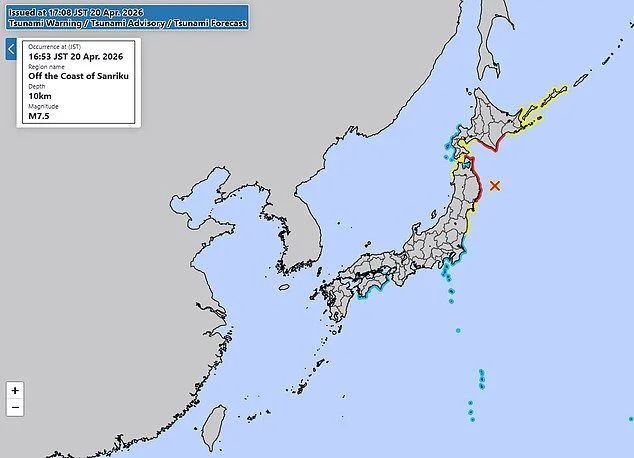
Tokyo, Japan – A powerful 7.5-magnitude earthquake shook Japan on April 20, 2026, triggering immediate tsunami warnings. Authorities issued evacuation orders for coastal regions, anticipating waves that could reach up to 10 feet in height.
The quake's epicenter and depth, crucial for determining tsunami potential, were the primary drivers for the urgent warnings. Residents in vulnerable zones were instructed to move to higher ground and away from immediate shorelines. The speed at which these warnings were disseminated and acted upon will be a key factor in mitigating potential damage.
Understanding the Threat
Tsunamis, often mistakenly called tidal waves, are generated by significant underwater disturbances. While underwater volcanic eruptions, icebergs calving, or even meteorite impacts can cause them, very large underwater earthquakes are the most frequent cause, accounting for about three-quarters of all recorded tsunamis. These colossal waves travel at tremendous speeds across open oceans, often exceeding 800 km/h, before slowing dramatically and increasing in height as they near land.
Read More: Japan 7.5 Quake Causes Tsunami Warnings Dec 8
Unlike typical ocean waves with wavelengths of around 30-40 meters, tsunami waves possess vastly different characteristics. Their destructive power lies not just in their height but also in the sheer volume of water they displace and their ability to surge far inland.
Historical Context and Preparedness
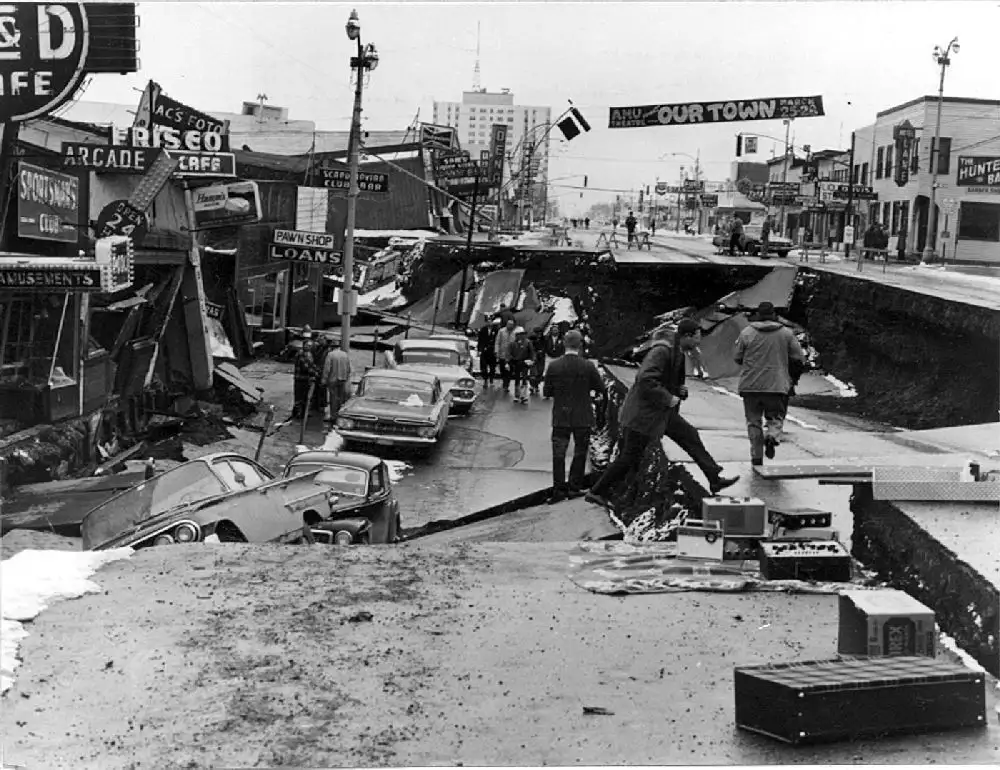
Japan, situated in a seismically active region, has a history of experiencing devastating tsunamis. The 2011 Tōhoku earthquake and tsunami, for instance, resulted in widespread destruction, claiming approximately 22,000 lives and damaging over 11,000 homes. Historically, assessing the full impact of such events can take months or even years. While larger tsunamis do not always equate to the most destruction, their potential for devastation is undeniably high.
Preparedness is paramount for those living in tsunami-prone areas. Understanding local warning systems, identifying evacuation routes, and knowing how tsunami warnings are communicated are critical steps. This includes familiarizing oneself with alarm sounds and designated safe zones. For travelers, inquiring about tsunami risks and safety protocols upon arrival in a coastal area is advised.
Read More: Tibetan Permafrost Thaw Releases Ancient Carbon, Risks Climate Tipping Point
Australia, by comparison, faces a lower, though not non-existent, tsunami risk. While proximity to active subduction zones makes countries like Indonesia and Japan more susceptible to regular tsunamis, even Australia’s coastlines are modeled for potential impacts. Geoscience Australia reports that some areas, like northwest Western Australia, could experience waves up to 1 meter every century, while much of New South Wales might see 40cm waves on a similar timescale.
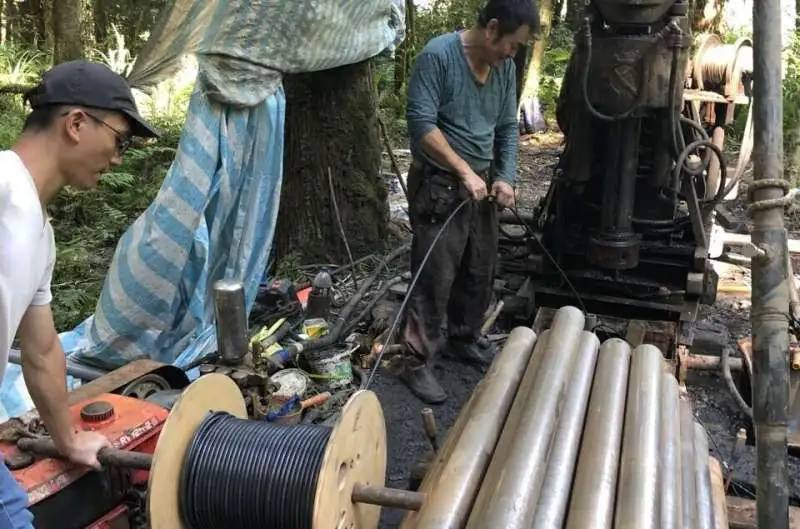
Scientists employ complex monitoring systems, including ocean-floor devices measuring pressure changes, to track tsunami wave movements. This technology plays a vital role in providing timely alerts and enabling evacuations, crucial for minimizing casualties and damage.