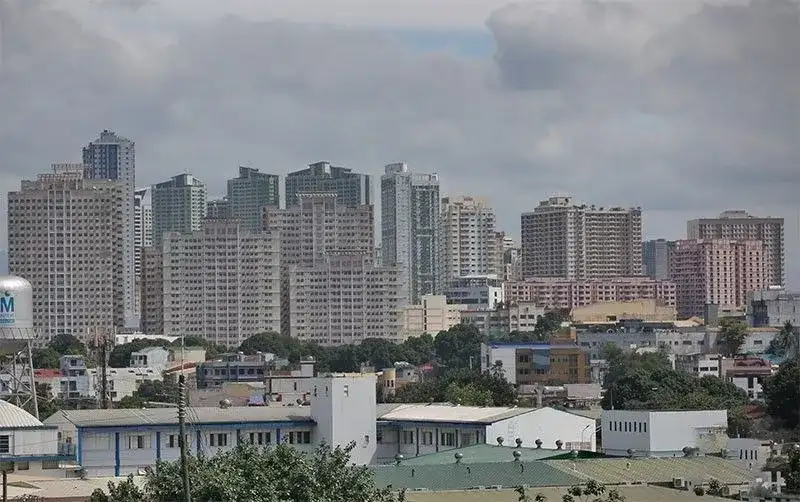
MANILA, Philippines – The Philippines and the United States are forging ahead with plans for a 4,000-acre industrial hub in Luzon, officially designated as an Economic Security Zone. This undertaking, announced today, marks a significant step in what appears to be a coordinated effort to bolster critical supply chains, with a stated aim to reduce reliance on specific geopolitical actors.
The zone is envisioned as a cornerstone of the Pax Silica Initiative, a multinational coalition focused on building secure and resilient industrial ecosystems. The Philippines' inclusion as the 13th signatory to Pax Silica positions it as a central node in this emerging network, which spans continents and involves partners including Australia, Finland, India, Japan, and several European and Middle Eastern nations.
The initiative aims to fuse American institutional expertise—such as internationally enforceable contracts, transparent regulatory standards, and expert dispute resolution—with the Philippines’ access to critical mineral endowments (nickel, copper, chromite, cobalt), its workforce, and its strategic geographic location.
Read More: FIFA World Cup 2026 Revenue Reaches $15 Billion With New Ticket Prices
A Networked Industrial Future
The Luzon hub is not presented as an isolated project, but rather as the first in a broader, planned industrial network. This network is conceptualized as a "constellation of integrated manufacturing sites, logistics corridors, and shared financial instruments." The stated intention is to foster enhanced operational certainty and to create a more diversified global industrial landscape.
"The Luzon hub is intended to be the first Zone in a broader industrial network—a constellation of integrated manufacturing sites, logistics corridors, and shared financial instruments spanning partner nations across multiple continents."
Resource Backbone
The Philippines holds substantial reserves of minerals—nickel, copper, chromite, and cobalt—deemed increasingly vital for contemporary global supply chains. The nation is noted as the fifth-largest producer of cobalt globally. This mineral wealth forms a key rationale for its integration into the Pax Silica framework.
Infrastructure and Governance
Coordination for the project is anchored within the Luzon Economic Corridor (LEC). This involves investments in key sectors, including transportation, energy, digital infrastructure, and advanced manufacturing. Plans are underway to establish joint governance frameworks to guide the zone's long-term development, ensuring what is described as "sovereign alignment and shared upside."
Read More: Tibetan Permafrost Thaw Releases Ancient Carbon, Risks Climate Tipping Point
Broader Geopolitical Context
The establishment of this zone occurs against a backdrop of increasing global attention to supply chain vulnerabilities, particularly those exposed by recent geopolitical tensions. The U.S. State Department has framed the initiative as a means to "wean allied supply chains off Chinese-controlled minerals and manufacturing." This follows earlier discussions and endorsements, including President Ferdinand Marcos Jr.'s support for such proposals.
Background Narratives
The Philippines has been actively pursuing a strategy to position itself as a key hub within regional supply chains. This involves embracing technological advancements and seeking multilateral cooperation. Efforts are underway to diversify manufacturing capacities and attract foreign investment, with entities like the Osaka Chamber of Commerce and Industry reportedly exploring opportunities in sectors such as electronics and automotive parts. However, persistent challenges related to cost pressures and stable energy supply remain points of consideration for sustained investment.
Read More: Hunter Region Gets $12 Billion Train Factory
Separately, the Partnership for Indo-Pacific Industrial Resilience (PIPIR), another U.S.-led initiative focused on regional defense supply chains, has also seen engagements involving the Philippines. Previous discussions, dating back to March 2026, touched upon the potential hosting of an ammunition facility.