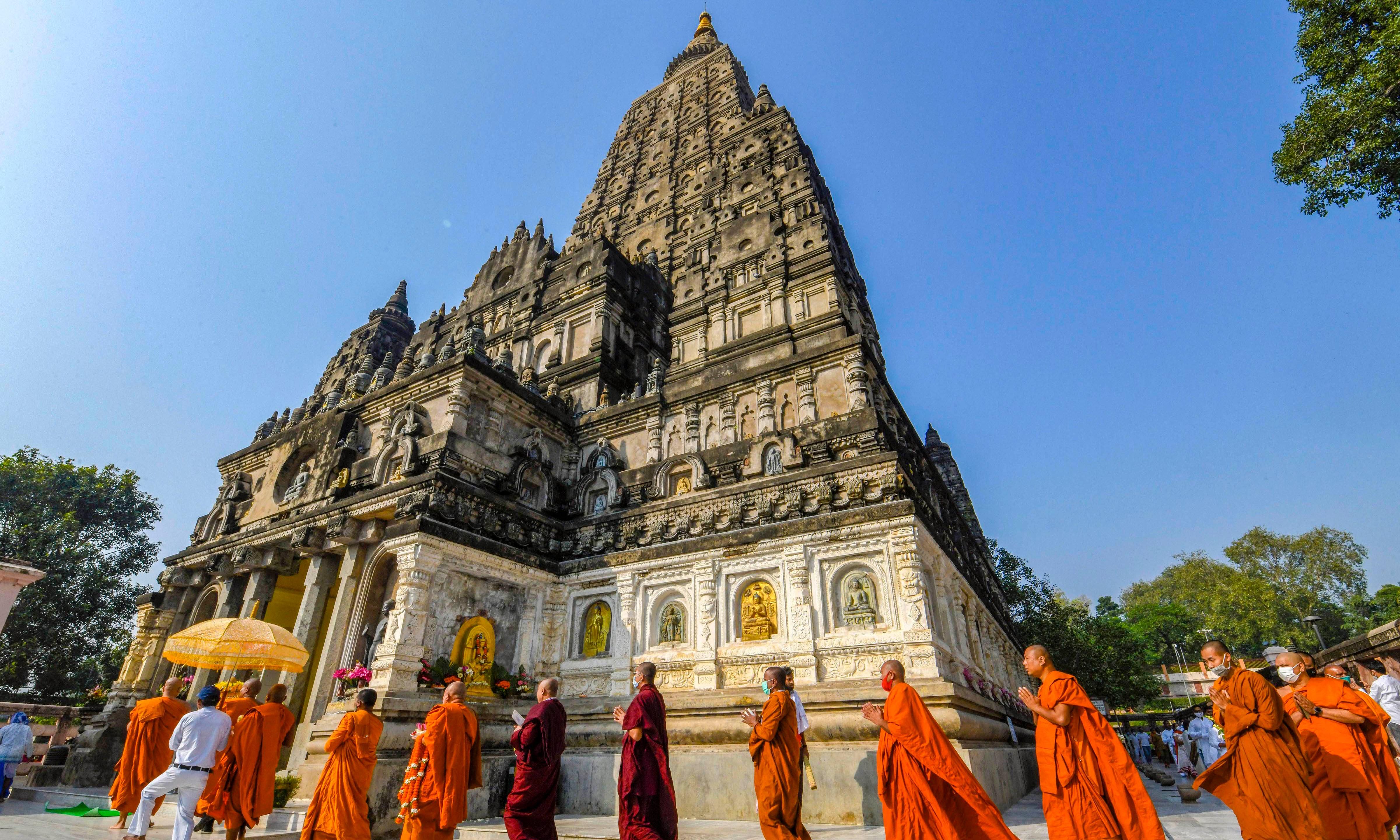
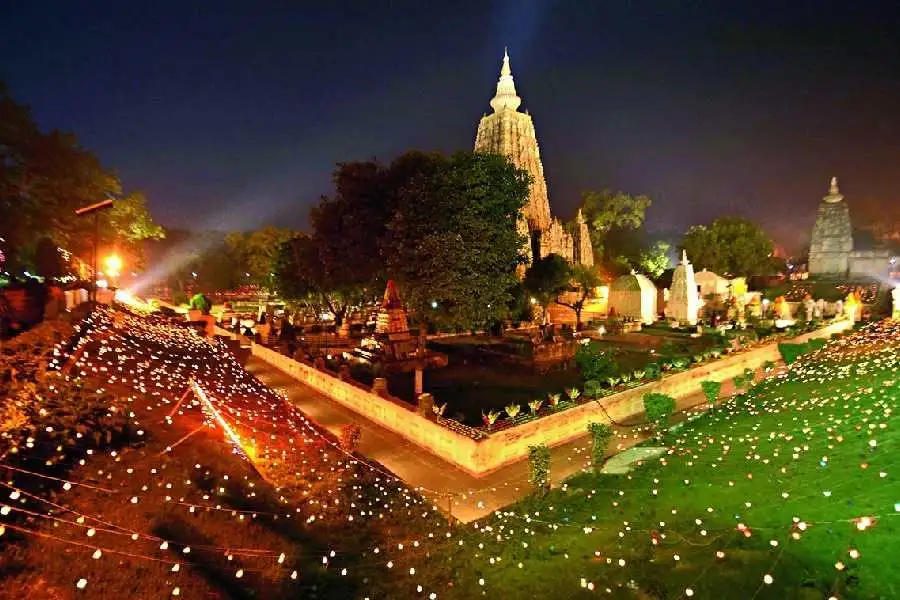
New Delhi – April 2, 2026 – The management of the Mahabodhi Temple in Bodh Gaya, a UNESCO World Heritage site and a focal point of Buddhist pilgrimage, has become a point of contention in the Rajya Sabha. Samajwadi Party leader Ramji Lal Suman brought the issue to the fore during Zero Hour, lodging a formal demand for the temple's administration to be transferred to followers of Buddhism. Suman's intervention also included a call to rename Gaya's airport after Lord Gautam Buddha, citing cultural and religious significance.
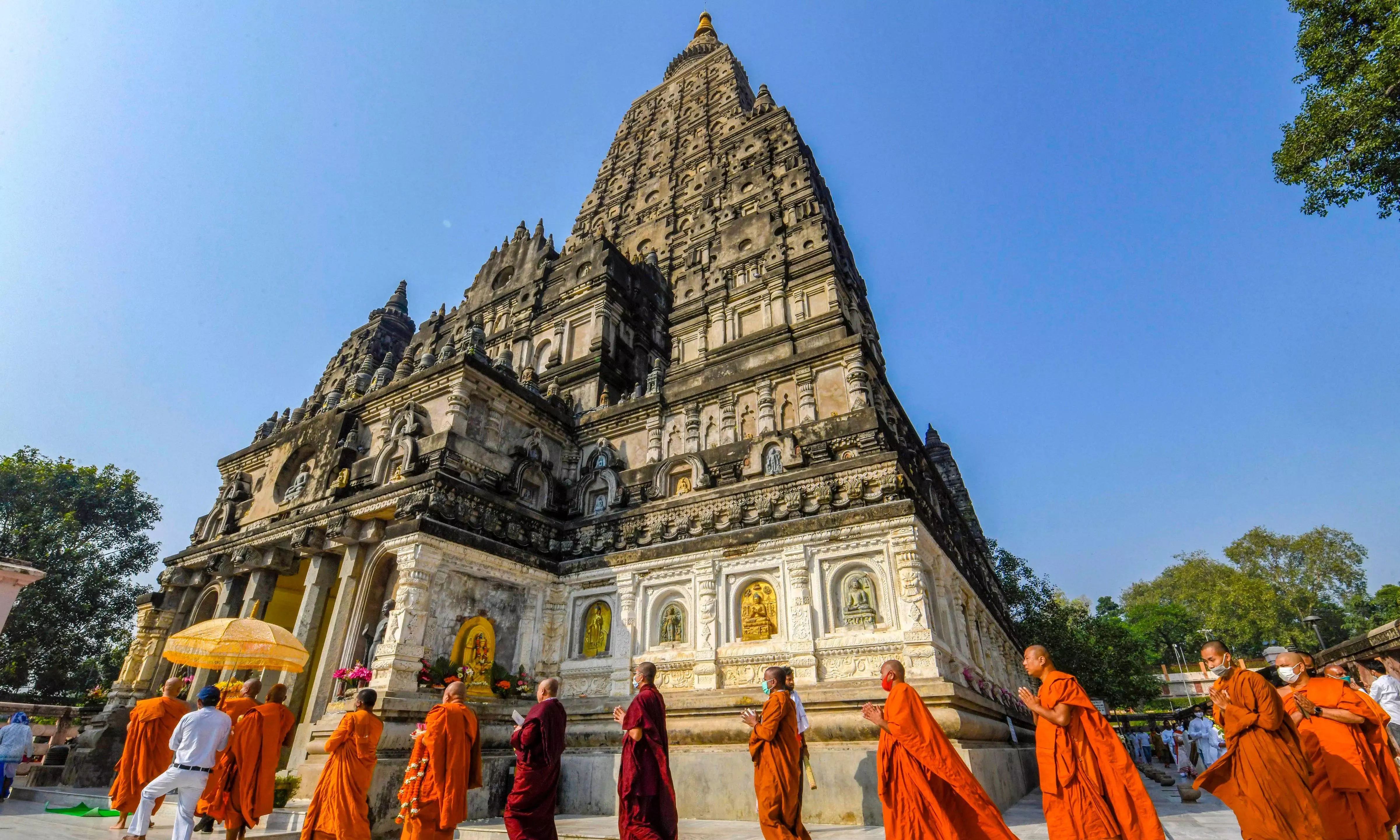
The crux of the Samajwadi Party's argument hinges on the temple's significant revenue generation, with Suman raising pointed questions about the transparency and accountability in the management of its funds. He argued that the temple, believed to be the site of Buddha's enlightenment, attracts a global following, with approximately 55 crore (550 million) people worldwide identifying as Buddhists. This demographic reality, Suman implied, should be reflected in the temple's governance.
Read More: Mahabharata: Krishna's Strategy and Wisdom Guided Pandavas

Temple's Historical and Administrative Framework
The Mahabodhi Temple's management has been a subject of debate for decades. The current administrative structure is often cited as a source of tension, with reports indicating that the management committee comprises more Hindu members than Buddhist ones, a situation viewed by some as an imbalance that sidelines the core religious identity of the site. Historical accounts suggest a shift in control over centuries, with a prominent role played by the Bodh Gaya Math in managing the temple’s affairs prior to the establishment of current administrative frameworks.

The Bodh Gaya Temple Act is a key piece of legislation in this ongoing dispute, with recent agitations explicitly calling for its repeal. The Act, established in the mid-20th century, appears to have created a management structure that, while granting Buddhists a stake, has ultimately left control largely with Hindu representatives. This arrangement is increasingly being challenged by Buddhist groups who feel their spiritual connection to the site is not adequately represented in its operational leadership.
Read More: Heatwave Warning: Dehydration and Heatstroke Risks Rise in India
Broader Context and Calls for Action
Suman’s demands echo sentiments expressed in recent public demonstrations across India. These movements advocate for Buddhist control, highlighting concerns that Hindu rituals have become predominant within the temple premises over time, overshadowing Buddhist traditions. The international importance of the Mahabodhi Temple, recognized globally as a sacred site where Prince Siddhartha attained enlightenment, underscores the sensitivity and significance of this ongoing dispute.
Beyond the administrative and financial aspects, the call to rename Gaya airport reflects a broader desire for recognition of the region's profound Buddhist heritage. This suggestion is framed not merely as a symbolic gesture, but as a matter of honoring cultural identity and religious sentiment for a global community.
The debate over the Mahabodhi Temple's management is not a recent phenomenon. Demands for Buddhist control have been voiced since at least the 19th century, indicating a long-standing grievance regarding the site's stewardship. This historical context suggests that the current parliamentary discussion is part of a persistent struggle to align the temple's governance with its fundamental religious significance for Buddhists worldwide.