Recent events, framed by ongoing conflict, suggest a pattern of territorial expansion by Israel, a development that some observers link to a persistent ideological pursuit of a "Greater Israel." This concept, though not an official government policy, appears to resonate within certain political and security circles, fueling concerns about regional stability and the future of Palestinian statehood. The ongoing military actions are seen by some as instrumental in achieving this larger territorial vision, encompassing areas beyond Israel's current internationally recognized borders.
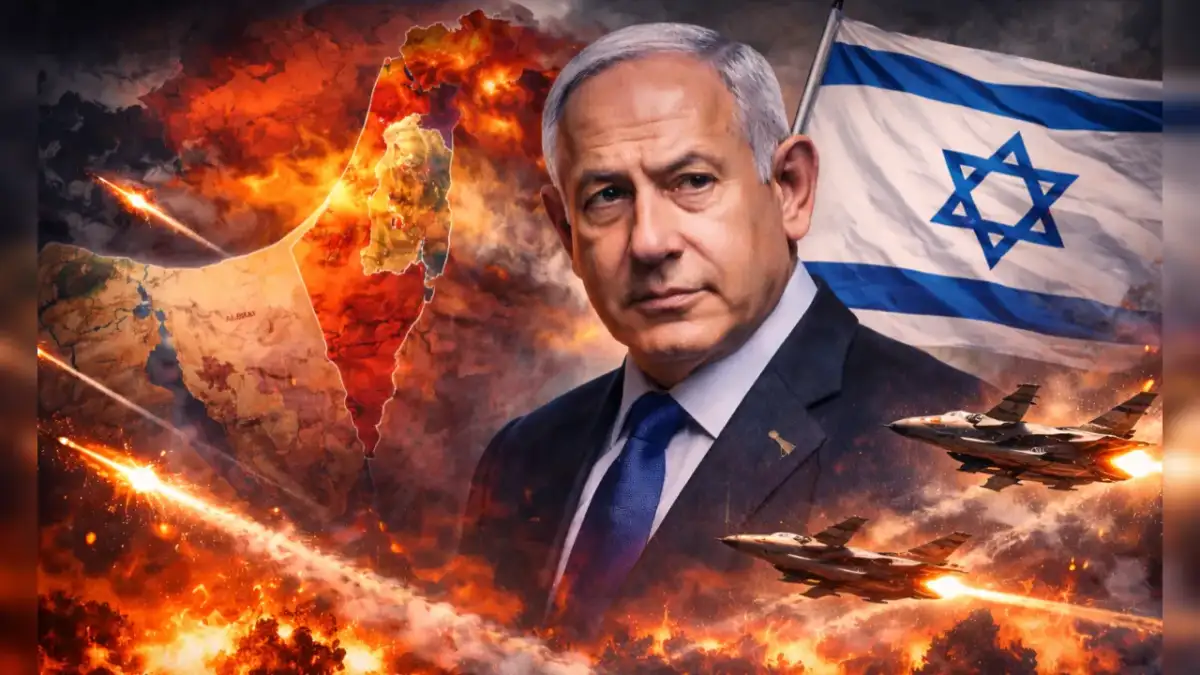
The notion of a "Greater Israel" envisions a dominion extending to incorporate not only Palestinian territories but also significant portions of neighboring countries, including Jordan, Lebanon, Egypt, Syria, Iraq, and Saudi Arabia. While proponents may reference biblical claims, the resurgence of this idea is particularly noted in the context of the protracted conflict in Gaza and the occupation of the West Bank and parts of southern Lebanon and Syria. Leaders within Israeli coalitions, such as Finance Minister Bezalel Smotrich, have openly advocated for the annexation of land and the expansion of borders, explicitly denying the possibility of a Palestinian state.
Read More: Taiwan Holds Nantou County Drills to Prepare for State Collapse

"The future of Jerusalem is to expand to Damascus." – Finance Minister Bezalel Smotrich (cited in English Alarabiya)
The strategic implications of this perceived expansion are significant. It raises profound questions about Arab national security, with some analysts suggesting that existing Arab security frameworks are subordinate to Western systems that are inherently tied to maintaining Israel's military dominance. This dependency, coupled with unwavering Western backing for Israel, creates a challenging environment for an independent Arab response to these territorial ambitions.
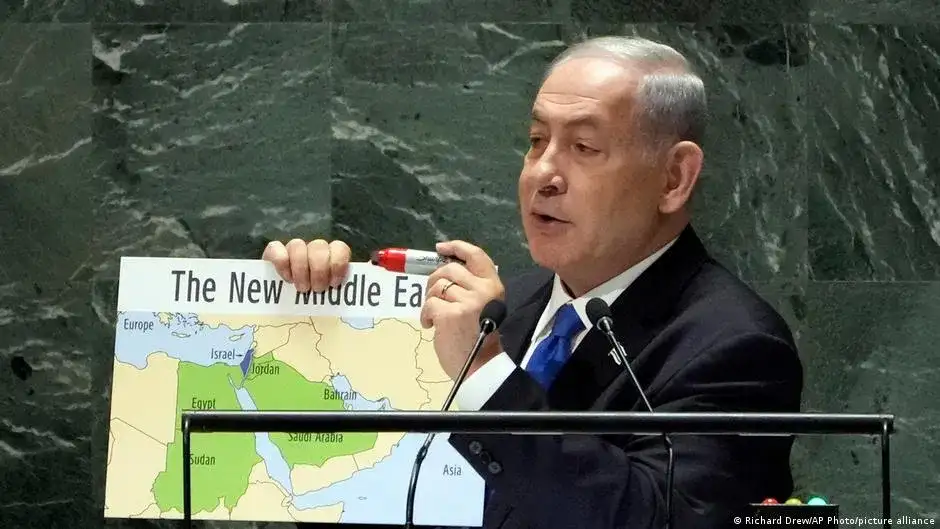
Roots of the "Greater Israel" Concept
The origins of the "Greater Israel" idea can be traced back to suggestions of gradual territorial growth. Contemporary discussions link its relevance to current military operations, with some asserting that these actions are part of a deliberate, ongoing expansion plan. While Israel officially denies an overarching policy of the "Greater Israel Project," references to it by prominent figures and its appearance on IDF insignia, such as a badge worn by a soldier, highlight its presence in national discourse.
Read More: Gulf Oil Exports Rise in June but Still Below Pre-War Levels
Regional Implications and International Backing
The pursuit of such territorial aspirations carries considerable weight in the Middle East. Neighboring countries express worry that these ambitions signal a desire to extend Israeli influence far beyond its established borders, potentially undermining the prospect of a two-state solution. The situation is exacerbated by what is described as unqualified US and Western backing for Israel, creating a complex geopolitical landscape where Arab nations face escalating threats under a regional order perceived to guarantee Israeli supremacy.
Political Landscape and Ideological Drivers
Within Israel, the concept of "Greater Israel" appears to be deeply embedded in a "permanent war orientation" that permeates its political class, security establishment, and influential media. For figures like Benjamin Netanyahu, removing regional power balancers, such as Iran, has been a key objective, requiring significant US military involvement. The underlying aim, according to some analysis, is to position Israel at the heart of a regional alliance that could endure even if US influence wanes.
Read More: FBI Analysts Review Georgia 2020 Election Data in Fulton County