Explosions ROCK BEIRUT AS CONFLICT WIDENS
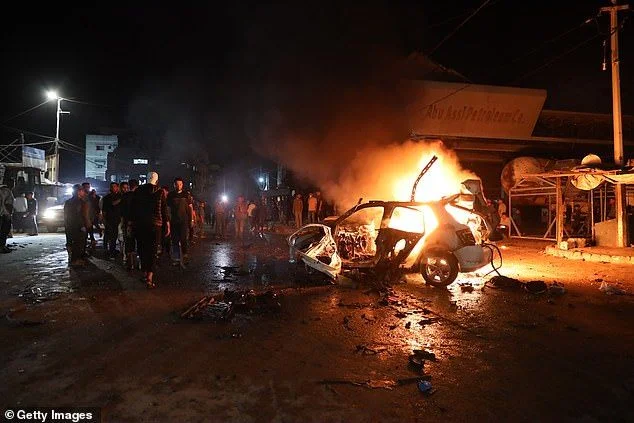
Israeli forces have intensified strikes, targeting Beirut and expanding the conflict's reach. Reports indicate significant Israeli military activity in Lebanon, with claims of eliminating over 70 Hezbollah fighters and targeting Hamas-linked financial operations. Simultaneously, alerts of incoming fire and drone incursions have sounded across parts of Israel, including Kiryat Shmona and southern regions.
Explosions were reportedly felt in Tehran and across Lebanon on Friday, following what sources describe as Israeli bombardments. Washington has stated its forces have destroyed upwards of 30 Iranian vessels since the conflict's commencement. This escalation follows an Israeli operation in Lebanon that resulted in injuries, including severe ones, to eight soldiers. The Israeli military and Shin Bet have claimed to have struck an office linked to Hamas financing within Lebanon.
DIPLOMATIC EFFORTS STUMBLE AMID ESCALATION
Amidst the deepening hostilities, Iran has indicated a willingness to engage in mediation, while asserting its commitment to defending its sovereignty. However, these diplomatic overtures appear to be occurring against a backdrop of significant international concern. The United Nations Human Rights Commissioner has raised questions about potential violations of international law stemming from mass evacuation orders in Lebanon.
Read More: AFP Reviews War Crime Claims Against Australian in Gaza

Reports from Qatar suggest a "delicate phase" in diplomatic peace negotiations, potentially linked to a ceasefire agreement. This comes after the handover of remains of two hostages, seen by some as a signal of the fragile truce holding despite escalating tensions. Israeli Prime Minister Benjamin Netanyahu, in a past interview, expressed criticism of Europe's role in the Gaza strategy and the perceived absence of the EU in ceasefire plan discussions, which he noted were under the direction of U.S. President Donald Trump. Netanyahu has also defended Israeli operations in Gaza, citing UN Security Council Resolution 1373 which mandates states to not harbor or finance terrorists.
REGIONAL RIPPLES AND UNPRECEDENTED OPERATIONS
The conflict's implications extend beyond immediate combat zones. Warnings have been issued regarding the potential collapse of Iran and a subsequent uncontrolled migratory wave. Separately, the United States military announced it conducted over 2,000 strikes in Iran during the initial four days of the ongoing conflict, characterizing the operation as "unprecedented." Tensions have also impacted regional relations, with Azerbaijan withdrawing its diplomats from Iran following a drone attack on its territory. Rumors are circulating regarding the fate of the head of the Quds Force, suspected of espionage for Israel.
Read More: France Bans Israeli Minister Ben Gvir After Gaza Flotilla Intercepted
BACKGROUND: The current intensification of hostilities marks a significant escalation in the long-standing tensions in the region. Reports from early January 2026 indicate a war that has entered its sixth day, with initial Israeli bombardments targeting Beirut. The origins of the current phase of conflict are linked to events preceding the publication of these reports, including attacks attributed to militants and Israeli responses in Gaza. French proposals for a ceasefire, which reportedly include the disarmament of Hezbollah within two weeks, are also part of the complex diplomatic landscape.
Read More: Indus Waters Treaty remains suspended in India and Pakistan April 2026