As of 19/05/2026, the theater of conflict between the United States, Iran, and Israel remains highly volatile, marked by a failure of stated ceasefires and ongoing kinetic exchanges. Hostilities have expanded beyond initial fronts, impacting regional infrastructure and military readiness across the Persian Gulf.
The primary theaters of violence include cross-border missile intercepts in Saudi Arabia, kinetic strikes on urban centers in Bahrain, and sustained military casualties in Kuwait.
Current Strategic Landscape
The breakdown of diplomatic barriers has translated into direct threats against civilian and military assets:
Casualty Reports: In Kuwait, six US service members were killed in a drone strike on a military installation. The Kuwaiti defense ministry reported 67 military injuries resulting from strikes targeting regional facilities hosting foreign personnel.
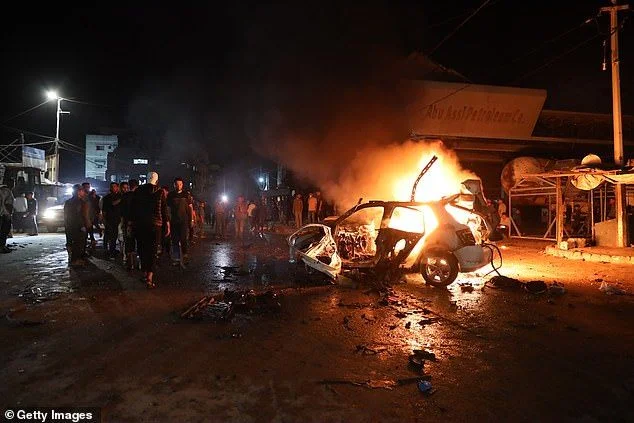
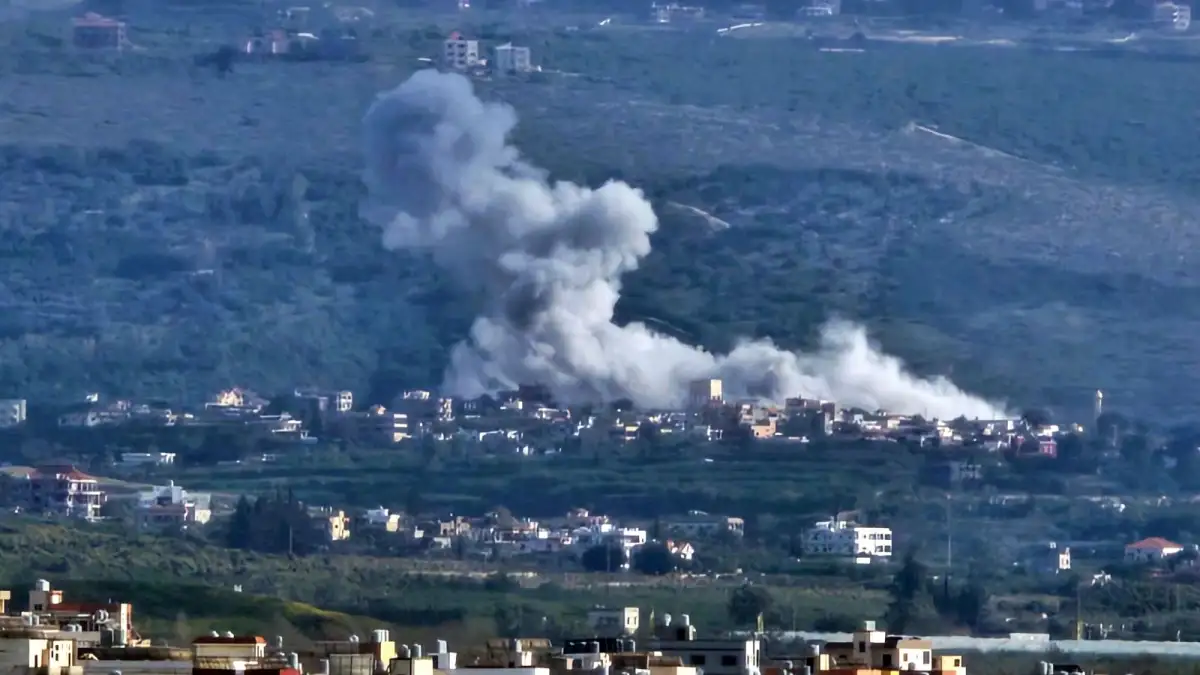
Urban Impact: Bahrain has confirmed strikes on hotels and residential infrastructure. In Lebanon, residents of Beirut’s southern suburbs underwent mass displacement following Israeli military evacuation warnings.
Aerial Warfare: Saudi Arabia successfully intercepted three ballistic missiles, while Jerusalem remains under intermittent air raid sirens due to projectiles identified as originating from Iranian territory.
| Region | Reported Activity | Status |
|---|---|---|
| Kuwait | Drone strikes on US base | 6 Dead / 67 Injured |
| Beirut | Airstrikes / Mass exodus | High Displacement |
| Saudi Arabia | Ballistic intercept | Ongoing |
| Bahrain | Infrastructure strikes | Confirmed |
Leadership and Political Rhetoric
The political posturing remains detached from the reality of the ground war. Donald Trump has publicly criticized the succession of Mojtaba Khamenei as the new Iranian Supreme Leader, labeling the transition a "big mistake."
Concurrently, rhetoric regarding the targeting of Iranian power plants by the United States has prompted an explicit vow from Tehran to respond "in kind." Despite repeated claims of ceasefires, the presence of missile alerts across the UAE, Saudi Arabia, and Israel suggests a lack of centralized command over the escalating military maneuvers.
Read More: France Bans Israeli Minister Ben Gvir After Gaza Flotilla Intercepted
Contextual Underpinnings
The current instability stems from a rapid deterioration of regional security pacts following the succession crisis in Tehran. The integration of US-Israel strategic objectives against Iran has effectively regionalized the conflict, drawing neutral Gulf states into a cycle of ballistic and drone-based aggression. The inability of international observers to secure a verified de-escalation suggests the current trajectory of the war is likely to persist until logistical exhaustion or a shift in the primary offensive capabilities of the belligerents.