


Heavy Israeli airstrikes have targeted locations in Beirut, Lebanon, with reports indicating the presumed elimination of a new Hezbollah leader and other senior militants. This escalation follows a significant missile and drone assault by Iran on Israel, prompting retaliatory strikes within Iranian territory, including against nuclear facilities. The situation remains volatile, marked by reciprocal attacks and stern pronouncements from regional leaders, complicating any semblance of diplomatic resolution.

Lebanese Front Ignites Amidst Retaliatory Strikes
In Lebanon, sirens wailed across northern Israel, with the Israeli Defense Forces (IDF) reporting approximately 70 projectiles launched from Lebanon. The IDF stated that two soldiers were killed in combat in northern Israel. The strikes on Beirut, according to an Israeli official speaking to NBC News, were aimed at Hezbollah's presumed new leader while he was in a meeting with other militants. This development occurs amidst ongoing extensive Israeli bombing campaigns in southern Lebanon. CNN teams have also reported hearing explosions in the southern suburbs of Beirut. Hezbollah has yet to issue statements regarding potential casualties.
Read More: US Delays Taiwan Arms Sale Before Trump's China Visit in April
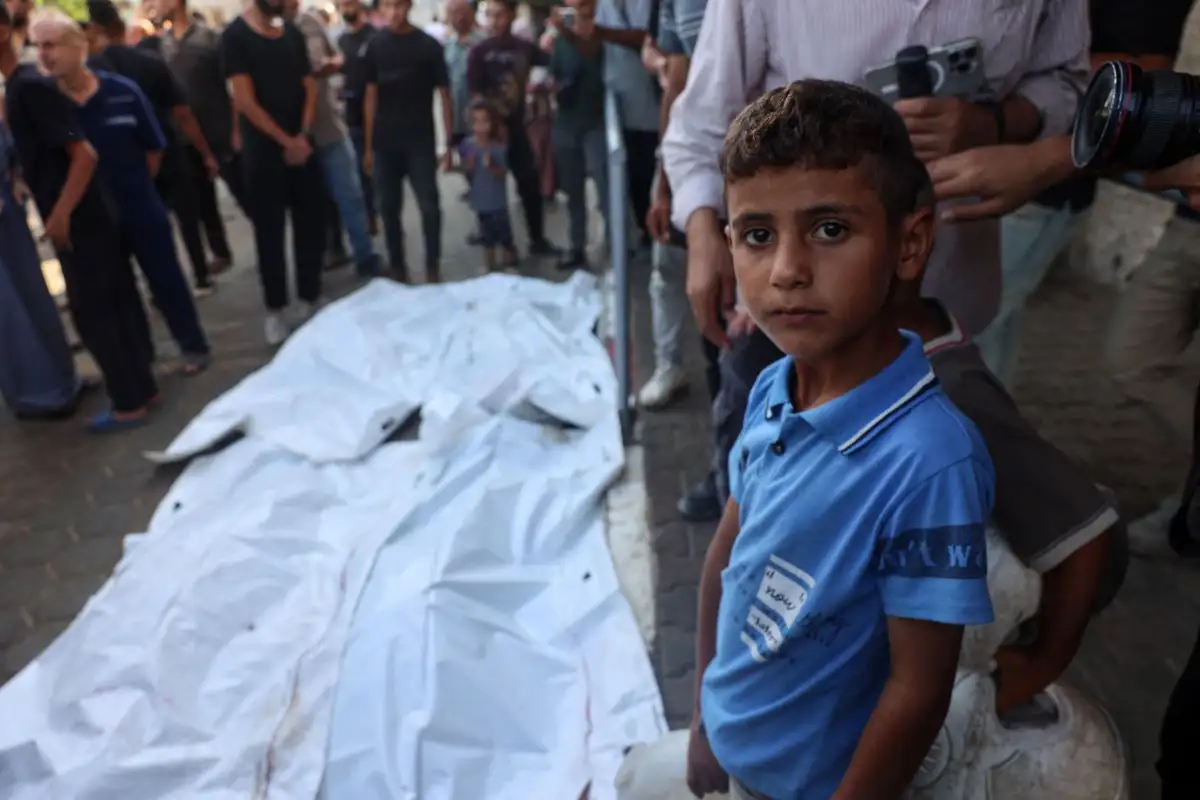
Iran's Nuclear Program and International Reactions
The United States has claimed its strikes on Iran's nuclear sites have inflicted "severe damage," though the full extent remains unclear. These actions have drawn condemnation from North Korea. In response to the strikes on its nuclear facilities, Iran has launched a series of missile and drone attacks against Israel.
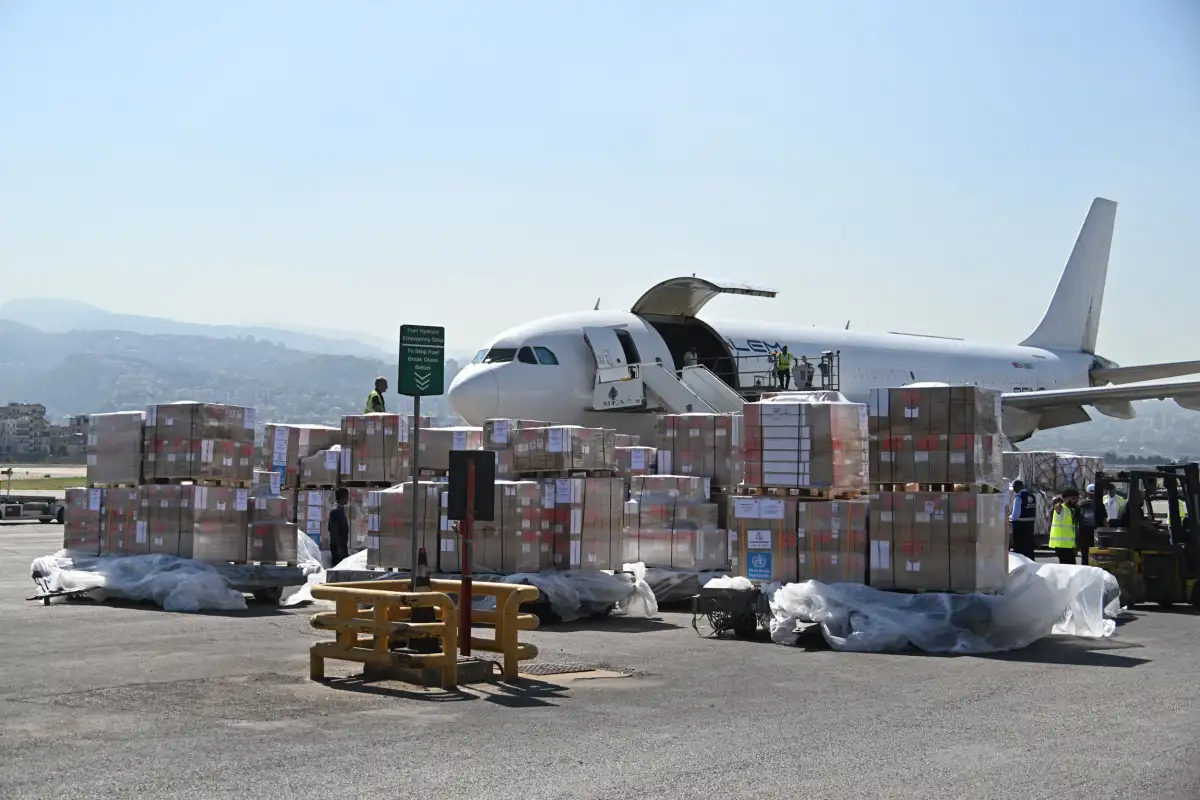
"We have always defended the rights of our people and will continue to do so."— Iranian President Masoud Pezeshkian
Iranian President Masoud Pezeshkian has declared that Iran will not retreat in the face of Israeli aggression and warned of escalation if such actions persist. He indicated Iran would respond "appropriately" to Israeli aggressions.

US Role and Diplomatic Undertones
The United States' involvement, particularly its alleged strikes on Iran's nuclear sites in Hamedan and Kermanshah, has prompted calls from some U.S. allies for a return to diplomatic negotiations. Administration officials suggest these strikes leave room for Iran to re-engage in discussions regarding its nuclear program. Notably, posters thanking Donald Trump for alleged bombings of Iran have appeared in Tel Aviv, while his pronouncements on the conflict, such as claiming "14 Missiles Fired, 13 Knocked Down, 1 Set Free," add a layer of complex rhetoric. The US has also been asked to leave 14 nations following drone strikes on its embassies in Riyadh and Kuwait.
Read More: Trump Considering Iran Attack as US Military Builds Up in Middle East
Background of Escalation
The current conflagration appears to be an extension of a broader regional tension. Earlier this month, Iran launched its largest-ever missile attack on Israel. In response, Israel has publicly acknowledged for the first time attacking military targets within Iran. The Israeli military stated it was deploying additional ground forces into southern Lebanon, a move seemingly linked to Iran-backed Hezbollah's actions. Israel had previously described its ground operations in Lebanon as "localized raids" in response to an Iranian ballistic missile attack. Sirens have been heard across Israel following Iranian strikes, and Israeli airspace was temporarily closed. The conflict also involves ongoing clashes between Israel and Hezbollah, which has resulted in the deaths of eight Israeli soldiers.
Read More: Panama Raids China-Linked Company Offices After Canal Port Contracts Canceled