Tensions rise as a significant arms package for Taiwan faces potential delay, raising questions about U.S. policy and China's growing influence on American foreign relations. President Trump's upcoming trip to Beijing appears to be a key factor in this decision.
Context
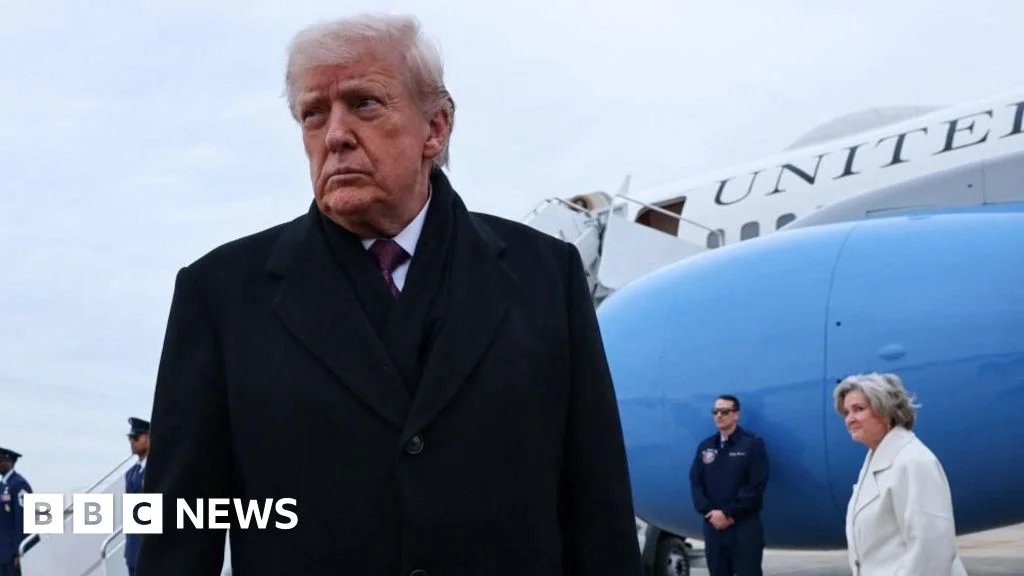
The United States has reportedly delayed the announcement of a multi-billion dollar arms sale to Taiwan. This decision comes as President Trump is preparing for a planned visit to Beijing in April, aiming to meet with Chinese leader Xi Jinping. U.S. officials indicated that the delay is intended to avoid upsetting China ahead of this high-level diplomatic engagement.

The arms sale, valued at billions of dollars, has been approved by Congress but its public announcement has been held back. This situation highlights the delicate balance the U.S. navigates in its relationship with both Taiwan and China.
Read More: Panama Raids China-Linked Company Offices After Canal Port Contracts Canceled
President Trump himself has acknowledged the situation, stating he is considering the implications of the arms sales given Chinese opposition. This statement was made following a phone call with Xi Jinping, where the topic of arms sales to Taiwan was reportedly discussed.
Key Dates:
February 4 (Year not specified): A phone call occurred between President Trump and President Xi Jinping, during which arms sales to Taiwan were discussed.
April (Year not specified): President Trump is scheduled to visit Beijing for a summit with President Xi Jinping.
Key Actors:
President Donald Trump: U.S. President.
President Xi Jinping: Leader of China.
U.S. State Department: Responsible for foreign policy and arms sales.
White House: Executive branch of the U.S. government.
Congress: Approved the arms sale package.
Evidence
Reports from various news outlets indicate the following:
Delayed Announcement: The U.S. State Department has declined to comment on pending arms sales. However, U.S. officials have stated that a package of arms sales to Taiwan, worth billions, is being delayed. This delay is specifically cited as an effort to prevent disrupting President Trump's planned April trip to Beijing. (Article 1)
Presidential Awareness: President Trump told reporters that he was aware of Chinese opposition to the arms sales and was considering how to proceed. He also mentioned a "good conversation" with President Xi regarding the matter. (Article 2)
Media Reports: The Wall Street Journal reported that the planned U.S. arms sale to Taiwan is "in limbo." The newspaper suggested the administration wants to avoid "antagonizing China" before Trump's visit, as there are concerns the deal could jeopardize the trip. (Article 4)
Chinese Stance: President Xi Jinping reportedly warned Trump during a February 4 phone call that "Taiwan is the most important issue" in China-U.S. relations and urged prudence regarding arms sales. (Article 5)
Past Sales: Congress has received notifications for various arms sales to Taiwan over the years, including significant packages in December 2025 totaling over $11 billion, which included HIMARS, ATACMS, and howitzers. (Article 7, Article 9)
Beijing's Leverage
China's clear opposition to U.S. arms sales to Taiwan is a significant factor in the current deliberations. Beijing views these sales as a direct challenge to its sovereignty and a fundamental issue in its relationship with the United States.
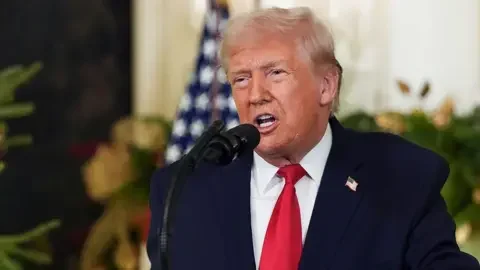
Xi's Warning: During a February 4 phone call, President Xi Jinping emphasized the critical nature of the Taiwan issue in Sino-U.S. relations, urging President Trump to handle it with "prudence." (Article 5)
Economic Considerations: Reports suggest that U.S. arms sales to Taiwan could potentially jeopardize an expected April summit between Trump and Xi, especially as the U.S. seeks to maintain a "trade truce" reached in October. (Article 2, Article 3)
Retaliation Concerns: Beijing has reacted strongly to past arms sales, including conducting military drills around Taiwan in late December. Analysts have warned that U.S. arms sales could negatively impact or limit the outcomes of Trump's visit to China. (Article 6)
U.S. Policy and Diplomatic Balancing Act
The U.S. policy towards Taiwan involves a complex diplomatic balancing act. While officially adhering to a "one China" policy, the U.S. maintains robust informal relations with Taiwan and is its primary arms supplier.
Official Stance: The State Department has not commented on pending arms sales, adhering to its standard practice. (Article 1)
Commitment to Taiwan: Despite formal ties with Beijing, the U.S. remains Taiwan's strongest informal supporter and arms provider. (Article 9)
Strategic Signal: Arms sales to Taiwan are often seen as sending a strategic signal to China. (Article 10 - Note: This article was marked low priority and its summary was not fully extracted.)
Past Practice: Arms packages to Taiwan have not followed a fixed timeline and have been handled differently by various administrations since the Taiwan Relations Act was passed in 1979. (Article 3)
Timing and Priorities
The timing of arms sales is frequently influenced by broader foreign policy priorities and diplomatic engagements.
Read More: Young adults in US face more heart attacks and early deaths
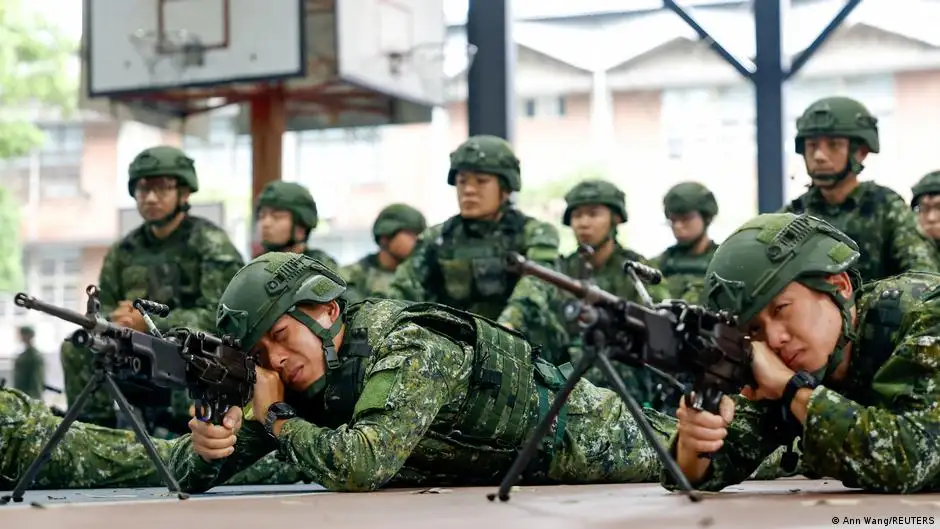
Diplomatic Priorities: Decisions on timing often reflect other priorities facing the president. A more serious issue, according to one expert, is the 1982 Communique where the U.S. agreed to gradually decrease arms sales to Taiwan. (Article 3)
Post-Summit Announcement: Regional experts suggest that the current arms package will likely be delayed and announced after Trump's trip to China, as Washington prioritizes his bilateral meeting with Xi and the existing trade truce. (Article 3)
Reconsidering Timing: Policymakers are advised to consider timing more carefully when planning military assistance to Taiwan, though this does not negate the need to sell arms. (Article 8)
Expert Perspectives
Analysts offer varied insights into the implications of delaying the Taiwan arms sale.
Evolving Situation: Some experts believe that while U.S. arms sales could affect a potential Trump visit to China or limit its outcomes, the situation is "still evolving." (Article 6)
No Reason to Stop: Experts also note that neither the challenges of timing nor Beijing's probable retribution are reasons to cease selling arms to Taiwan entirely. (Article 8)
Long-Term Value: However, China's near-term actions could potentially diminish the long-term defensive value of additional U.S. arms sales to Taiwan. (Article 8)
Conclusion
The U.S. administration appears to be deliberately delaying the announcement of a significant arms sale to Taiwan. This decision is closely tied to President Trump's upcoming diplomatic visit to Beijing in April, with a stated aim of avoiding friction with Chinese leadership.
President Xi Jinping has directly communicated China's strong opposition to these sales, highlighting Taiwan as a paramount issue in bilateral relations. This places U.S. foreign policy in a challenging position, requiring it to balance its commitments to Taiwan with its strategic and economic interests in China.
While past arms sales have occurred under various timelines, the current situation suggests a clear prioritization of the Trump-Xi summit, potentially postponing the arms sale announcement until after the diplomatic engagement. The long-term implications for Taiwan's defense and the broader U.S.-China relationship remain subjects of expert observation and ongoing diplomatic negotiation.
Read More: Four Killed in Florida Boat vs Cuba Patrol Incident Near El Pino Channel
Sources Used:
Article 1: https://dnyuz.com/2026/02/28/taiwan-arms-sale-approved-by-congress-is-delayed-as-trump-plans-visit-to-beijing/
Article 2: https://www.scmp.com/news/us/article/3343949/white-house-deflects-trump-weighs-taiwan-arms-sale-delay-amid-beijing-pressure
Article 3: https://defence-industry.eu/united-states-weighs-delaying-taiwan-arms-sale-as-trump-focuses-on-china-trade-summit-the-hill/
Article 4: https://www3.nhk.or.jp/nhkworld/en/news/2026021913/
Article 5: https://www.theguardian.com/world/2026/feb/05/xi-jinping-donald-trump-phone-call-china-us-taiwan-relationship
Article 6: https://www.scmp.com/news/china/article/3337856/record-taiwan-arms-deal-casts-shadow-over-trumps-2026-beijing-visit
Article 7: https://www.forumarmstrade.org/ustaiwan.html
Article 8: https://responsiblestatecraft.org/taiwan-china-us/