


Four House Democrats have broken ranks with their party, aligning with Republicans in a vote concerning President Trump's recent military actions in Iran. This development highlights significant fissures within the Democratic caucus as a resolution aimed at curtailing presidential war powers faces debate. While the broader Democratic leadership has called for a vote to restrain Trump's authority, arguing the strikes were unconstitutional and bypassed Congress, a minority of Democrats appear to be supporting the administration's "decisive action."

Congressional Divide on Iran Strategy
The U.S. and Israeli joint strikes on Iran have exposed stark divisions, largely along party lines, within Congress. Republicans have predominantly backed the operation, framing it as a necessary response to Iranian aggression. Senator Lindsey Graham (R-SC), for instance, argued that eliminating Iran's Supreme Leader, Ayatollah Ali Khamenei, was in the United States' interest, though he later clarified there would be "no boots on the ground." This stance contrasts sharply with many Democrats who, while acknowledging the oppressive nature of the Iranian regime, question the strategy and the lack of prior congressional consultation.
Read More: West Bengal Governor C.V. Ananda Bose Resigns Amidst 2024 Political Friction
Democrats' Nuanced Stance
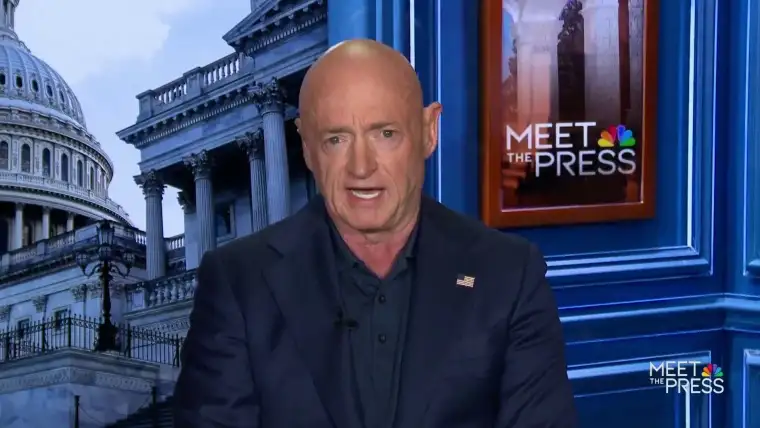
Most Democrats have voiced strong opposition to President Trump’s unilateral decision to launch strikes, arguing he sidelined Congress in a move that constitutes an "illegal and unconstitutional war." They are pushing for a swift vote on a 'war powers resolution' designed to restrain future military actions. Senator Mark Warner (D-VA), a key figure on the Intelligence Committee, stated he "saw no intelligence that Iran was on the verge of launching any kind of pre-emptive strike against the United States." He characterized Trump's action as a "war of choice," despite his acknowledgment that the Iranian regime is "awful."
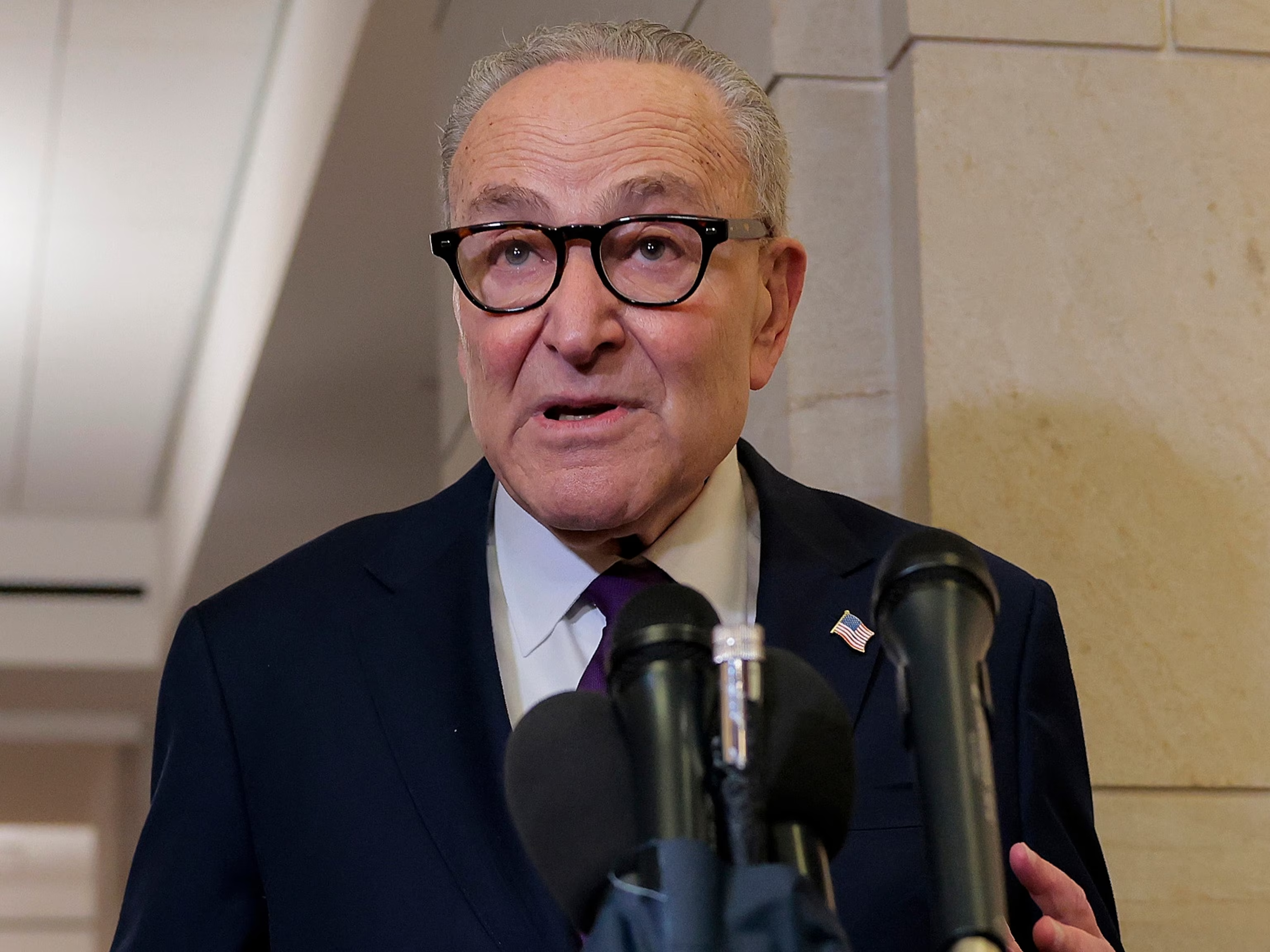
However, a handful of Democrats, including Representatives Tom Suozzi (D-NY) and Josh Gottheimer (D-NJ), have echoed the sentiment that the onus for the conflict rests with Iran. Their support, however limited, diverges from the party's main thrust.
Read More: US Trade Deal with India Changes Due to China Concerns
War Powers Resolutions Face Hurdles
Efforts to formally check President Trump's war-making authority are ongoing. Senate Republicans narrowly defeated a war powers resolution earlier this week, a move that required congressional approval for continued military action against Iran. Senator Rand Paul (R-KY), who has been a vocal critic of the president's unilateral approach, joined Democrats in supporting the resolution. Conversely, Senator John Fetterman (D-PA) voted with Republicans against it. The House is also slated to vote on a similar resolution.
The debate over these resolutions, while potentially symbolic given Congress's historical inability to consistently block military actions, serves as a public record of lawmakers' positions. Previous attempts to constrain presidential power, such as votes on Venezuela, have seen similar outcomes.
Fractures Beyond the Democratic Party
The situation is not solely a Democratic predicament. Fractures are also apparent within the Republican Party, with some members, like Representatives Warren Davidson (R-OH) and Thomas Massie (R-KY), raising constitutional questions about launching military operations without compelling justification from the administration. Massie is co-leading the House war powers effort alongside Democratic colleagues.
Read More: Tamil Nadu Election: DMK Offers 25-28 Seats to Congress, Talks Continue
Background
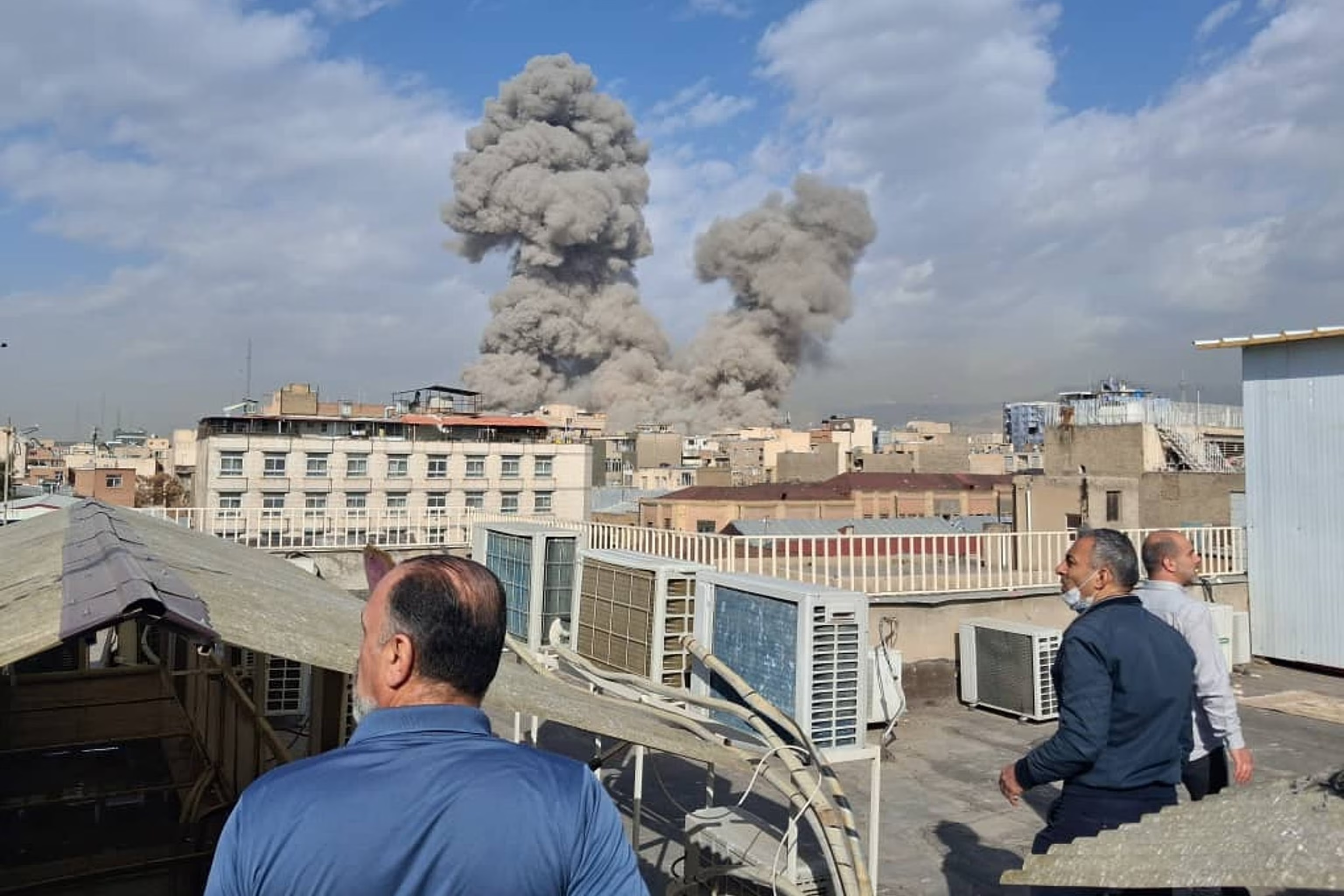
The U.S. and Israel launched joint military strikes on Iran over the weekend. This operation, which targeted Iranian leadership, has ignited a fierce debate in Washington regarding presidential authority, congressional oversight, and the U.S.'s role in the Middle East. President Trump campaigned on ending foreign intervention, making his current actions a point of contention for some of his supporters and opponents alike. The geopolitical context remains fraught, with ongoing tensions and concerns about escalating conflict in the region.