

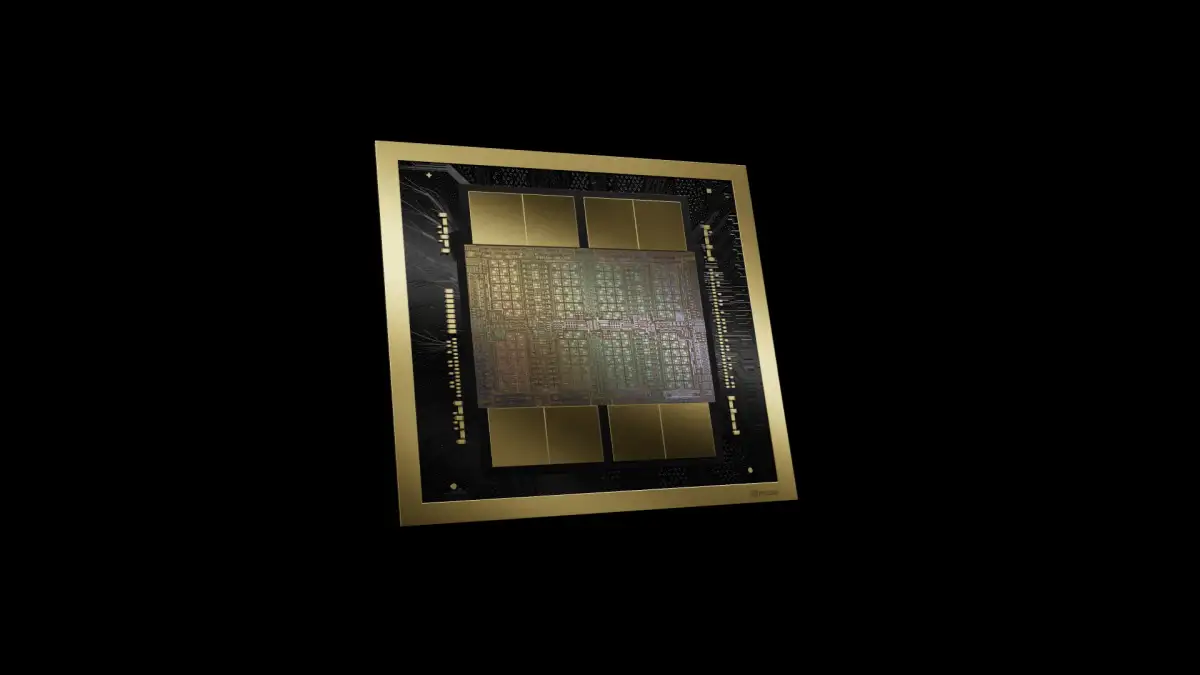
The bedrock of Nvidia's artificial intelligence dominance, its high-end GPU production, is facing critical appraisal from notable figures and a segment of the financial world. Concerns are mounting over the sustainability of demand, the transparency of certain sales mechanisms, and a notable divestment by several high-profile billionaire investors, even as the company prepares to ramp up production of its next-generation Blackwell AI GPUs.
Production targets for Nvidia's Blackwell AI GPUs, slated for the fourth quarter, point to a potential revenue generation of around $10 billion. This anticipated output, involving technologies like TSMC's CoWoS-L packaging, highlights the company's continued drive to meet the insatiable demand for advanced AI hardware. However, questions have arisen regarding the pricing strategy for these cutting-edge chips, with some observing that initial batches of the ultra-high-end GPUs might be priced lower than the current H100 generation, a move considered unusual given typical market dynamics of demand and volume.
Read More: Best Smartphones Under Rs 30,000 in Early 2026: Camera, Battery, and Price
Billionaire Investors Pare Holdings
A clutch of billionaire investors, known for their keen market insights, have reportedly reduced their stakes in Nvidia during the fourth quarter. These sales, documented in 13F filings, include significant divestments by:
Israel Englander of Millennium Management, who sold approximately 3,038,895 shares.
Chase Coleman of Tiger Global Management, offloading around 698,000 shares.
Philippe Laffont of Coatue Management, with sales totaling roughly 667,405 shares.
David Tepper of Appaloosa, who divested about 200,000 shares.
While some of this activity may be attributed to routine profit-taking, the simultaneous reduction in exposure by multiple influential investors has sparked speculation about their perceptions of Nvidia's future trajectory, particularly ahead of its fiscal fourth-quarter earnings reports.

"Circular Deals" and Financing Apprehensions
Further complicating the narrative are criticisms leveled against Nvidia's business practices. One analyst has voiced apprehension regarding what are described as "circular deals." These arrangements appear to involve Nvidia not only selling compute capacity but also extending financing to its customers. The sustainability of this model, and the ability of clients to continue absorbing multi-billion dollar expenditures on Nvidia's chips, is under scrutiny.
Read More: South Korea Kospi Index Gains 32.5% For Year After Wednesday Crash
The analyst's concerns extend to the increasing trend of hyperscalers, major Nvidia clients, developing their own in-house silicon solutions. This in-house development could potentially reduce reliance on third-party providers like Nvidia. Despite acknowledging Nvidia's performance and guidance, the analyst expressed reservations about the long-term strength of the outlook, citing potential "tech headwinds" that investors might be overlooking.
A Shadow of Doubt
Adding to the critical discourse, a "legendary investor," known for foreseeing the 2008 housing crisis, has reportedly characterized Nvidia's business dealings as being "involved in one of the more common frauds of the modern era." The specifics of this assertion remain opaque in the provided material, but it injects a significant note of caution from a figure with a history of prescient market calls.
This confluence of investor caution, concerns over business models, and a prominent critical voice paints a complex picture for Nvidia. While production ramps and revenue projections signal continued market leadership, underlying questions about valuation, deal structures, and the long-term demand landscape are increasingly coming to the fore.
Read More: Apple Studio Display 2: Two New Models with 120Hz Screen and A19 Chip Coming Soon