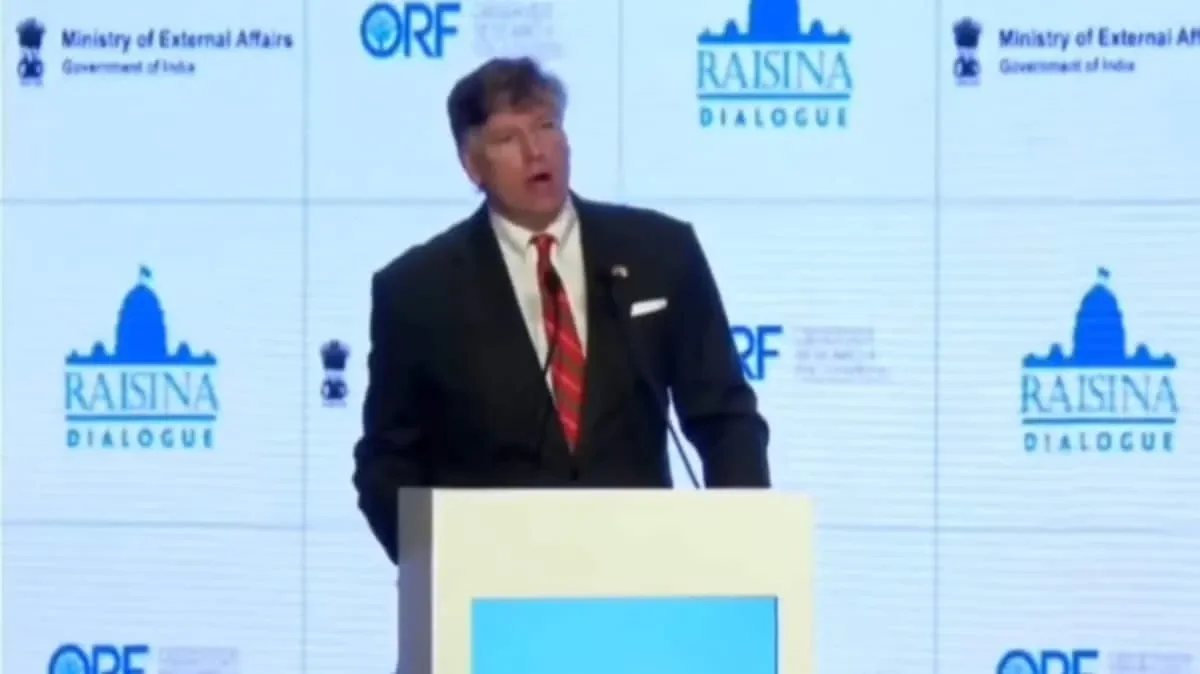
Washington will not grant India the same economic advantages it extended to China, according to Deputy Secretary of State Christopher Landau, who stated that the US aims to prioritize its national interests and avoid repeating what it perceives as past errors in trade policy. This declaration comes amid ongoing negotiations for a broader US-India Bilateral Trade Agreement (BTA), with a framework for an interim deal having been finalized last month. Landau's remarks, made at the Raisina Dialogue in New Delhi, underscore a deliberate shift in US foreign economic engagement.
Cautious Engagement and Shifting Trade Dynamics
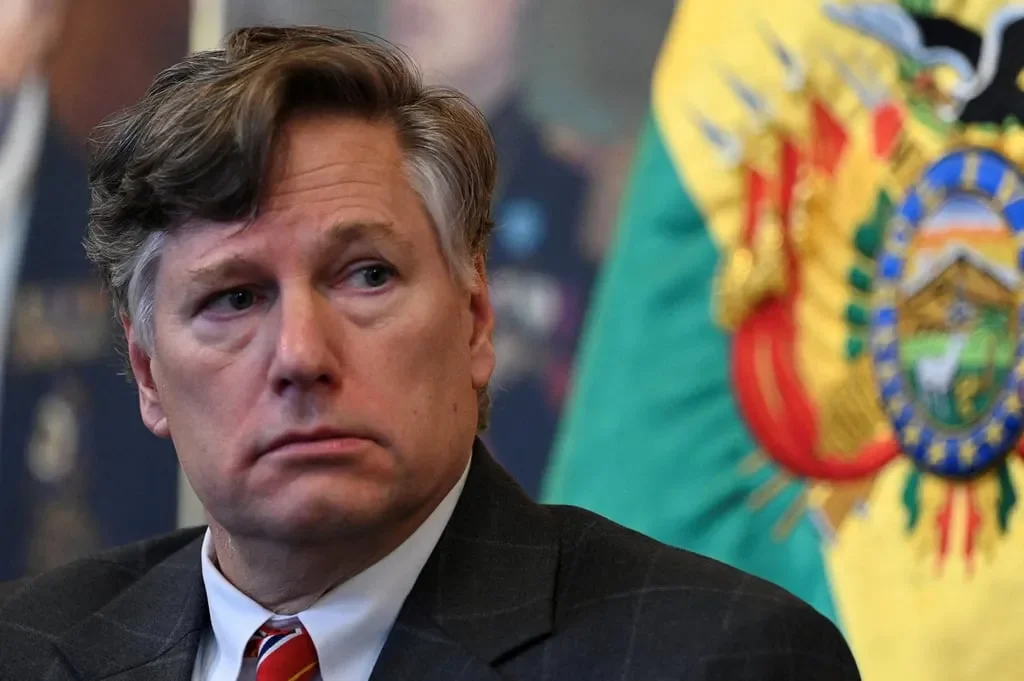
The US Deputy Secretary of State, Christopher Landau, explicitly stated that Washington would not "make the same mistakes with India that we made with China 20 years ago," a sentiment echoed across several reports. The core of this concern appears to be preventing India from developing into a significant economic rival through concessions previously offered to Beijing. This "America First" approach suggests a more guarded negotiation strategy, aiming to secure tangible benefits for American interests in any trade agreement.
Read More: US May Add Tariffs on Australian Goods Due to Forced Labour

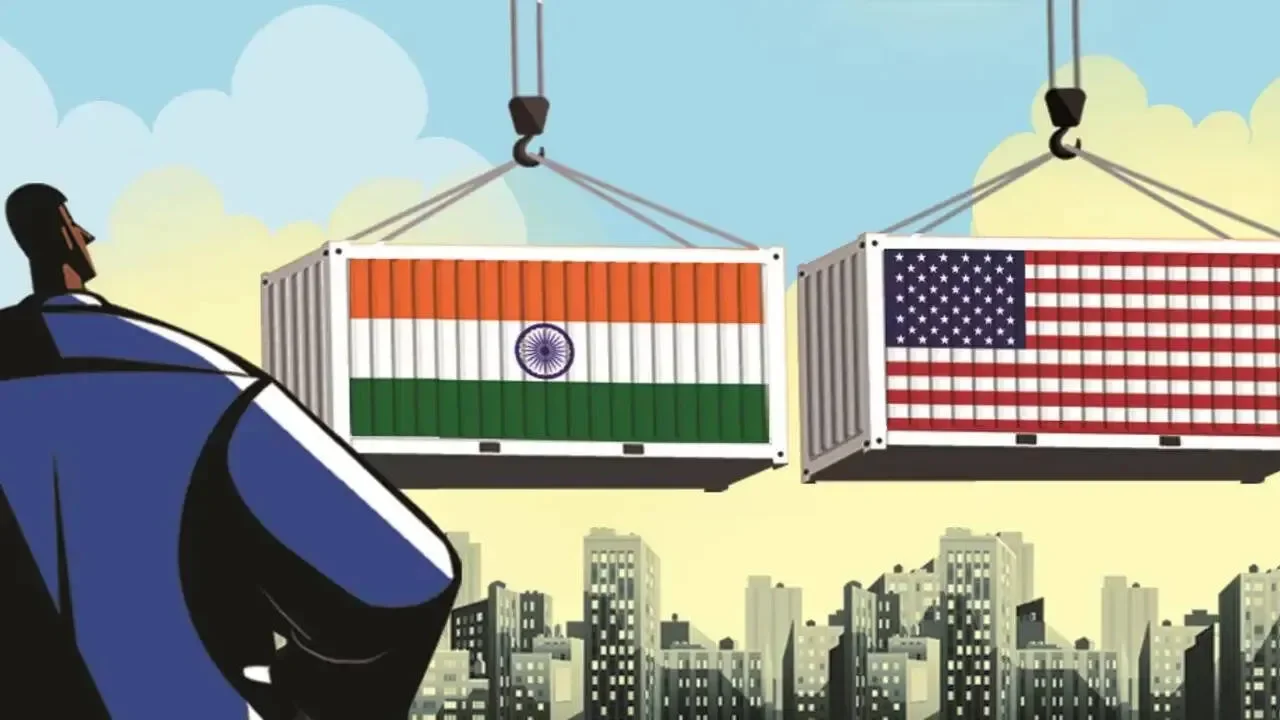
Landau also extended an offer to assist India in addressing its energy needs, particularly in light of disruptions stemming from the Middle East conflict. This includes a potential shift in India's energy imports, moving away from Russian crude oil towards US supplies. The US has already reduced tariffs on Indian goods from 50% to 18% as part of ongoing trade discussions.
Background: A Reassessment of Global Engagement
Landau's pronouncements signify a departure from what he described as a previous era of US foreign policy that was "more concerned with the process itself rather than the results it would yield." He suggested that prior US administrations, particularly those before Donald Trump's "America First" policy, may have miscalculated the long-term implications of fostering the economic rise of other nations, citing China as the primary example.

The negotiations for the US-India trade deal have faced some complexities, including a recent US Supreme Court ruling that affected tariffs, thereby diminishing the US's leverage. Despite these challenges, Landau expressed optimism about the "limitless potential" of the partnership, describing India as a nation with significant economic and human resources poised to shape the future of the century.
Read More: AFP Reviews War Crime Claims Against Australian in Gaza
Landau also touched upon broader foreign policy reevaluations initiated by the Trump administration, indicating a review of long-standing relationships and strategic considerations.