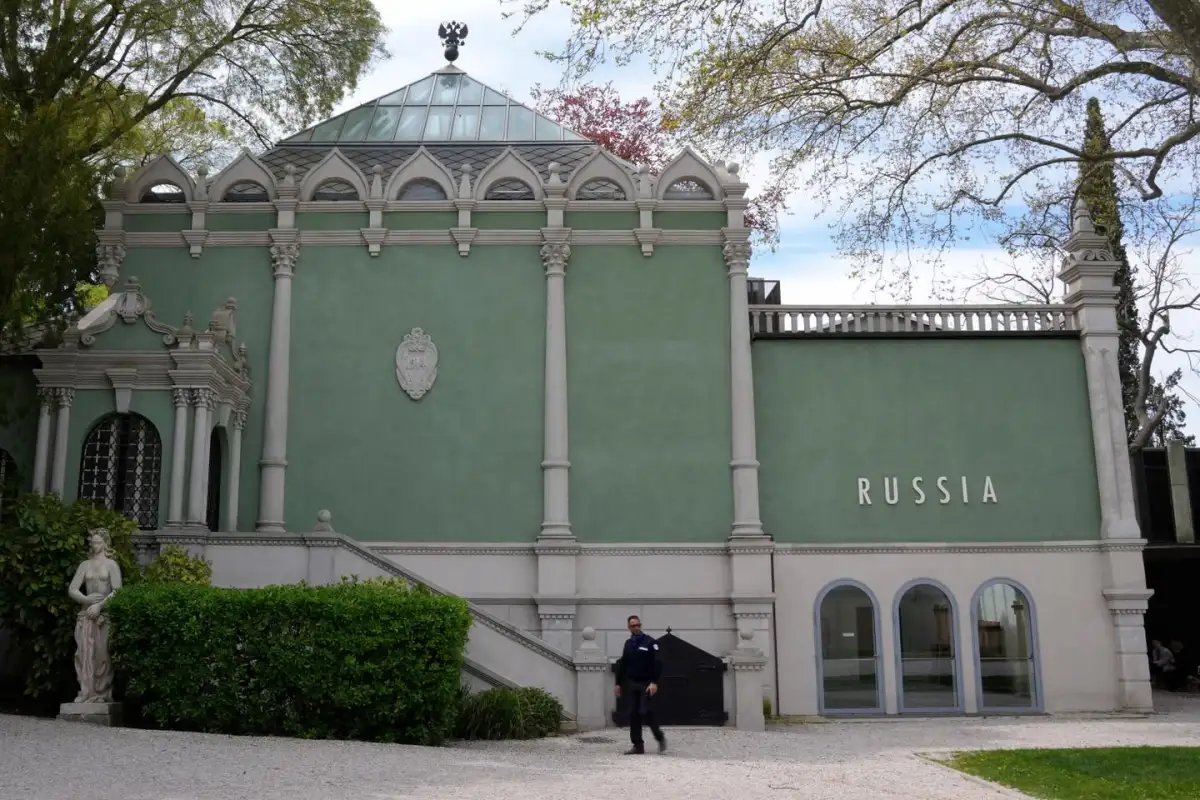
The entire international jury for the 61st Venice Biennale resigned on Thursday, April 30, 2026, throwing the world’s oldest contemporary art exhibition into chaos just nine days before its scheduled opening on May 9. The mass resignation follows a volatile impasse regarding the participation of Russia and Israel, and the jury’s prior attempt to boycott pavilions from countries whose leaders are subjects of International Criminal Court (ICC) arrest warrants.
The exhibition will move its awards ceremony from May 9 to November 22, and organizers now intend to let visitors—rather than a professional panel—determine the prize winners to bypass further political entanglement.
Escalating Tensions and Administrative Pressure
The situation at the Ca’ Giustinian headquarters has deteriorated into a multi-front conflict involving the Biennale Foundation, the Italian government, and legal threats from participating artists.
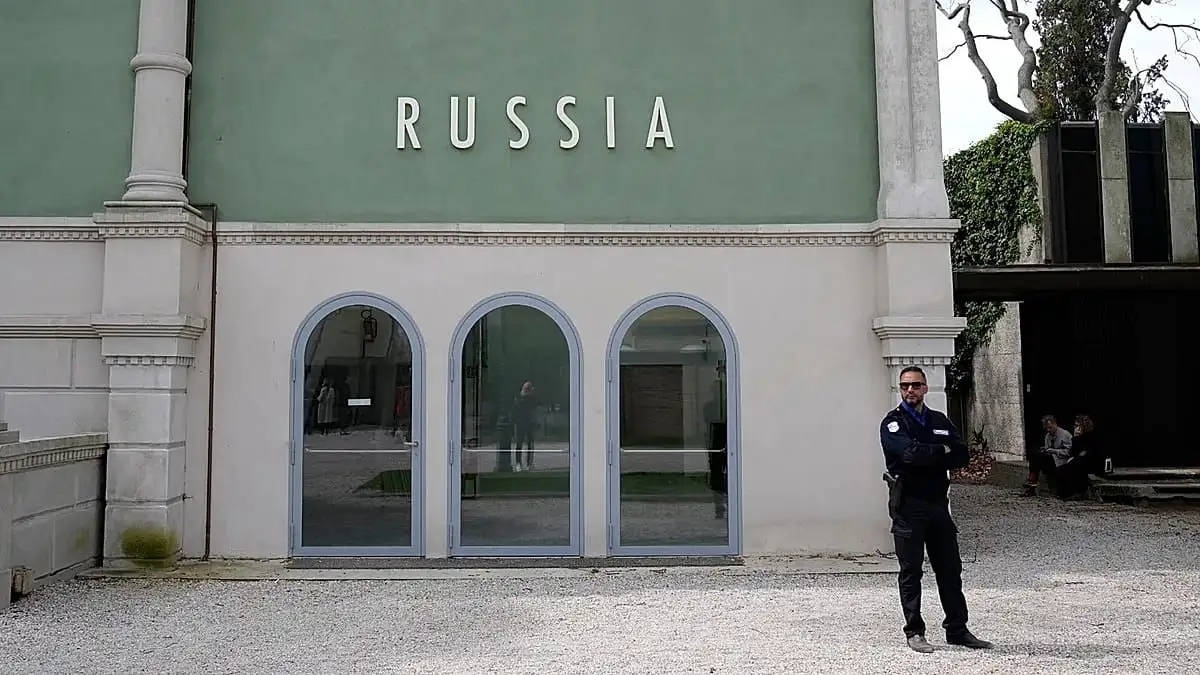
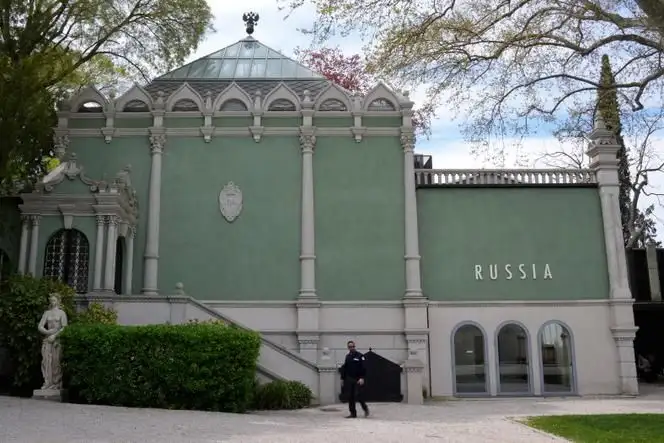
Governmental Stance: Italy’s Culture Minister, Alessandro Giuli, has publicly boycotted the opening ceremonies and deployed inspectors to investigate whether the reopening of the Russian pavilion—shuttered since 2022—violates existing sanctions.
Legal Challenges: Sculptor Belu Simion Fainaru reportedly initiated legal action against the Biennale, alleging that the jury’s attempt to bar specific national pavilions constituted discrimination.
Financial Fallout: The European Union has signaled plans to rescind a $2.3 million grant previously earmarked for the 2028 iteration due to the decision to include Russia in this year’s program.
Jury Autonomy vs. Sovereignty: While the Biennale maintains that its mission is to serve as a “place of truce” for artistic freedom, the tension between this neutrality and the reality of ongoing geopolitical conflicts has left the organization without an official adjudication body.
A Fractured 'Neutral' Space
The Venice Biennale, established in 1895, historically functions on a structure of National Pavilions, a model that assumes cultural representation is distinct from state conduct. The current crisis suggests this premise is increasingly difficult to maintain in a period of intense global instability.
Read More: Billy West Memoir Reveals How He Created Fry's Voice
| Issue | Status |
|---|---|
| Jury Status | Resigned |
| Awards Ceremony | Postponed to Nov 22 |
| Selection Method | Transitioned to public vote |
| Key Controversy | Inclusion of Russia/Israel vs. ICC warrants |
The Biennale’s official statement emphasizes a commitment to "inclusion and equal treatment," yet the reality remains that the administrative structure is currently being inspected by the state while simultaneously losing its international oversight panel. As of 01:18 AM on May 1, 2026, the exhibition remains set to open on May 9, though the void left by the resigned jury leaves the mechanisms of recognition and validation for the participating artists in an unprecedented state of uncertainty.