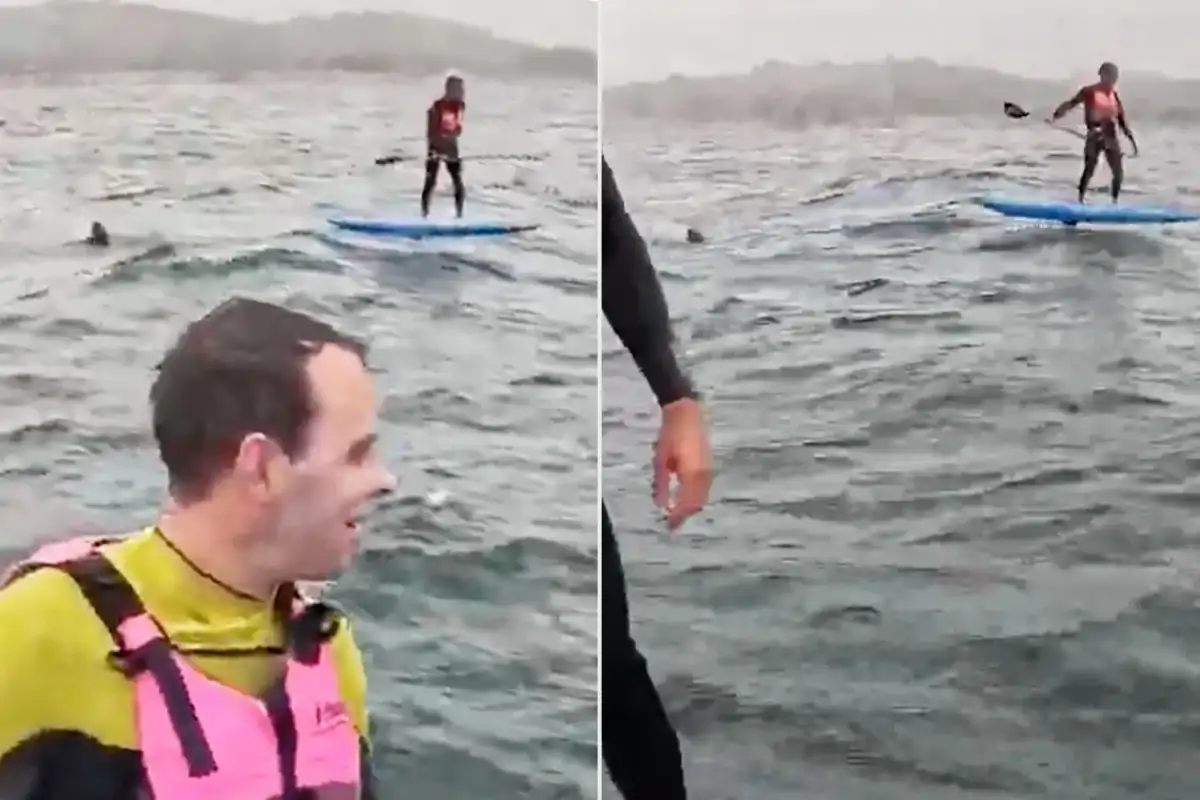
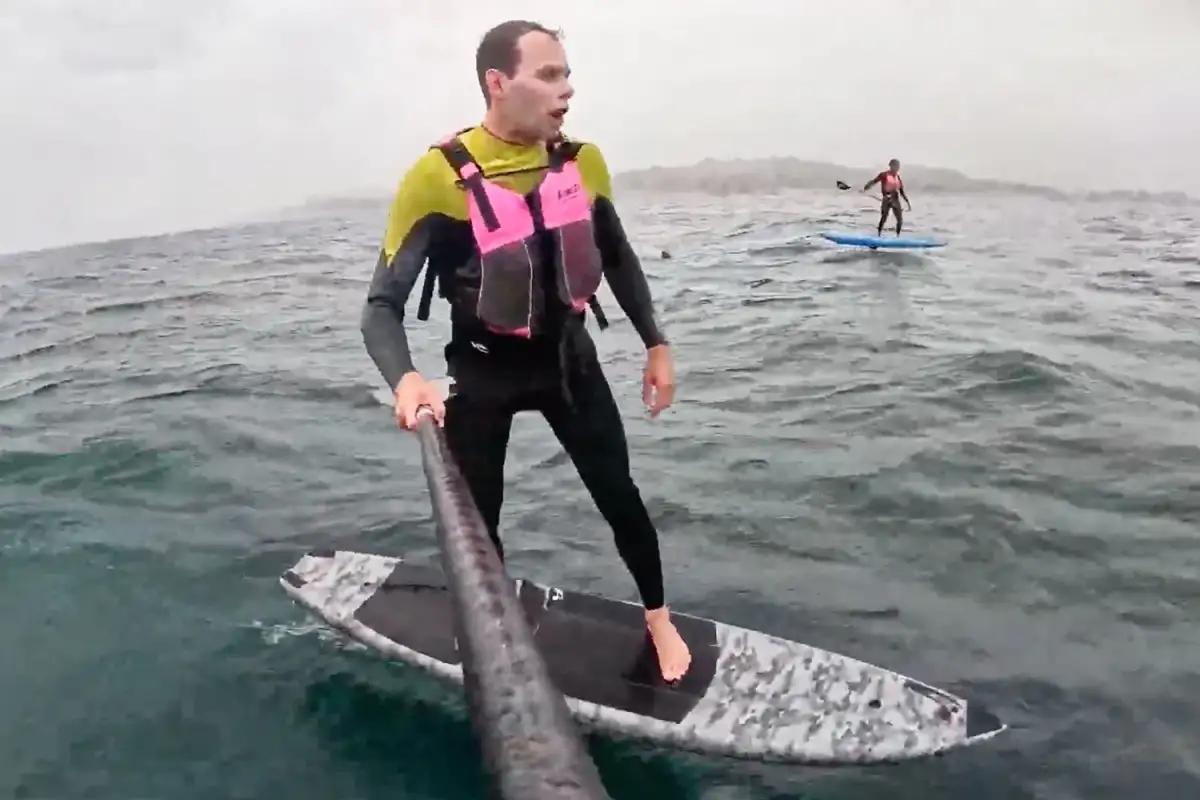
RON TAKEDA, a hydrofoil boarder, described a harrowing experience off the California coast near Santa Barbara where a 10- to 11-foot shark pursued him for an estimated three to ten minutes on Saturday, April 25th. The encounter, captured on video by his friend TAVIS BOISE, shows the shark trailing Takeda closely, matching his movements as he navigated the waters between UC Santa Barbara and Carpinteria.

The shark repeatedly altered its speed and direction to mirror Takeda's, creating a tense "game of cat and mouse," according to Boise. Takeda, focusing on maintaining his balance and staying upright on the board, stated the shark never made contact. He likened the experience to being "tapped on the shoulder" by his intended prey. Boise, who filmed the incident, urged Takeda to "Don't fall!" and "Don't stop!" throughout the pursuit. The two boarders eventually completed their approximately 20-mile run without further incident.
Read More: Orangutan Mothers Plan Playdates for Babies in Borneo
Detailed Observations of the Pursuit
Witnesses reported hearing splashing and gurgling sounds behind Takeda's board before the shark was visible. Takeda initially mistook the dark shape beneath him for seaweed or his leash before realizing its true nature. The shark's behavior, including speeding up and slowing down to keep pace, intensified Takeda's awareness of its presence. Boise described the shark as a "big girthy dark torpedo shape" with trailing whitewater.
Expert Commentary and Context
While the specific species was not definitively identified in all reports, the description aligns with a great white shark. Experts suggest that warmer waters, potentially exacerbated by El Niño conditions, may be attracting juvenile white sharks to Southern California. This could lead to an increased number of sightings. Scientists also posit that sharks might mistake humans for their usual prey, such as seals or sea lions. Officials have noted that despite increased human activity in the ocean, shark incidents have not risen proportionally.
Read More: University of La Verne 2026 admissions and rankings update
Background on Hydrofoiling
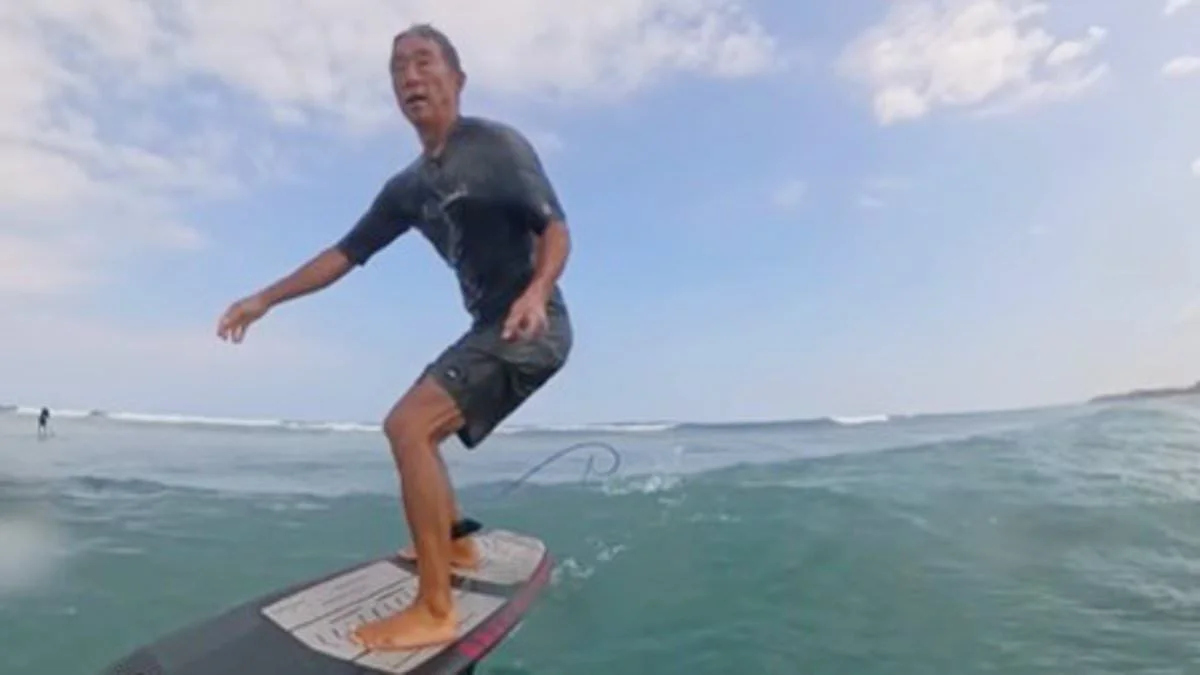
Hydrofoiling involves using a board equipped with an underwater wing, or 'foil,' that lifts the board above the water's surface. This design significantly reduces drag, allowing for higher speeds and increased maneuverability compared to traditional surfboards. This maneuverability was a key factor in Takeda's ability to evade direct contact during the encounter.