Economic Jitters Amidst Conflict: Resilience and a Glimmer of Post-War Prosperity
The prevailing sentiment among some analysts, notably figures like John Carney, suggests a potential economic upswing once the current hostilities in Iran conclude. This perspective hinges on the observed resilience of consumer behavior and spending patterns, which appear less impacted by the conflict than might have been anticipated. The argument posits that this underlying demand could translate into significant economic momentum should the conflict de-escalate.

The Iran war has visibly strained global economic arteries, impacting everything from energy supply chains to the delicate balance of international trade. Disruption to petrochemical complexes and fertilizer supply has directly contributed to rising food prices. The longer the conflict persists, the more entrenched these structural flaws in the global energy supply chain become. This, paradoxically, might push for a faster pivot towards renewable energy sources, reducing long-term reliance on fossil fuels.
Read More: FIFA World Cup 2026 Revenue Reaches $15 Billion With New Ticket Prices

Historical Precedents and Market Signals
Past conflicts have often been followed by periods of economic recovery and growth. Historical data indicates a tendency for stock markets to rally following the resolution of major wars. This observation fuels speculation that a post-Iran war environment could witness a surge in equity valuations, potentially reaching new highs.

| Factor | Observed Impact During Conflict | Potential Post-Conflict Scenario |
|---|---|---|
| Energy Supply Chain | Exposed structural flaws, increased demand vulnerability. | Accelerated shift to renewables, potential price volatility. |
| Global Trade | Disrupted by supply chain shocks beyond energy, affecting industrial inputs. | Reconfiguration of trade routes, adjustments in global power dynamics. |
| Inflation | Headline inflation has risen; EU and UK forecasts have increased. | Potential for interest rate adjustments; mixed inflation data persists. |
| Consumer Spending | Demonstrated resilience, less impacted than expected. | Potential for robust demand and economic momentum. |
| Stock Markets | Investors anticipate post-war rallies. | Possibility of all-time highs, market recovery. |
Direct Economic Ripples and Strategic Realignments
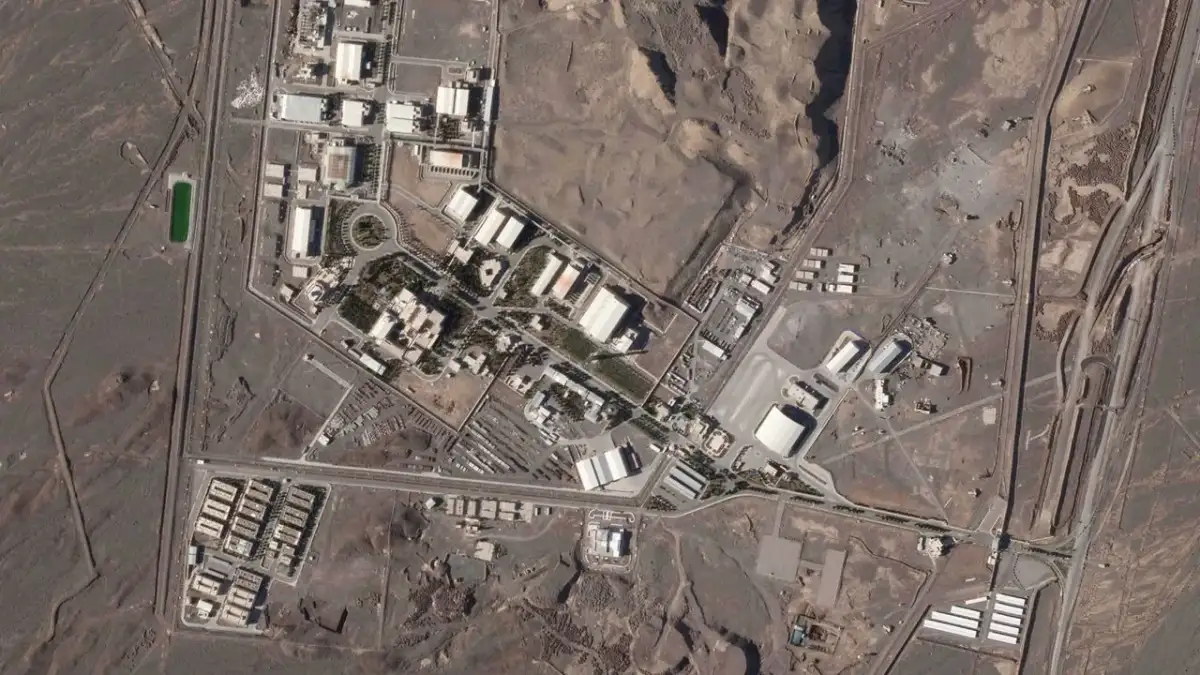
The conflict has directly impacted key infrastructure, with reported strikes on nuclear facilities and industrial complexes in Iran. This has had a measurable effect on the nation's economy. Beyond the immediate theater, the war has had a tangible effect on the US economy, with inflation acting as a significant obstacle for Federal Reserve policy. Goldman Sachs, for instance, anticipates that the war's impact may push the Fed towards multiple interest rate cuts later this year.
Read More: Iran Zagros Mountain Nuclear Site Construction Update April 2026

The global economic fallout has been substantial, with the travel and tourism sector alone incurring an estimated $600 million in losses per day. The conflict has also strained military resources, with reports indicating shortages in key missile stocks for the US and a redeployment of forces from European bases to the Middle East.
Broader Context: A New Era of Economic Vulnerability
The economic impact of this conflict is distinct from the oil shocks of the pre-globalization era. It represents a shock to the deeply interwoven global supply chains that have defined economic activity in recent decades. The war's effects extend beyond energy to critical industrial inputs, impacting fertilizer and petrochemical supplies and contributing to rising global food prices. This has also prompted shifts in supply chains, moving away from strategic chokepoints like the Strait of Hormuz.
The underlying resilience observed in consumer behavior amidst such widespread disruption is a key point of discussion. While some analyses highlight the negative immediate consequences – inflation, supply chain breakdowns, and increased military expenditures – others are focusing on the potential for a rebound and structural shifts that could redefine the global economic landscape.
Read More: Hunter Region Gets $12 Billion Train Factory