Tehran has once again imposed restrictions on traffic through the Strait of Hormuz, a critical global shipping lane, less than a day after its purported reopening. This move comes as 'Iran accuses the United States of maintaining a blockade', despite earlier statements from 'President Trump celebrating the waterway's return to normalcy. Reports indicate 'Iranian gunboats fired upon a tanker' amidst the renewed closures.
The intermittent nature of the Strait's accessibility highlights the volatile situation, directly linked to perceived violations of a fragile ceasefire agreement involving Israel and Lebanon. Iranian negotiators have reportedly framed the reopening of the Strait as contingent on an end to Israel's conflict with Hezbollah, a demand that has seen friction with 'US and Israeli assertions that the agreement did not encompass Lebanon'.
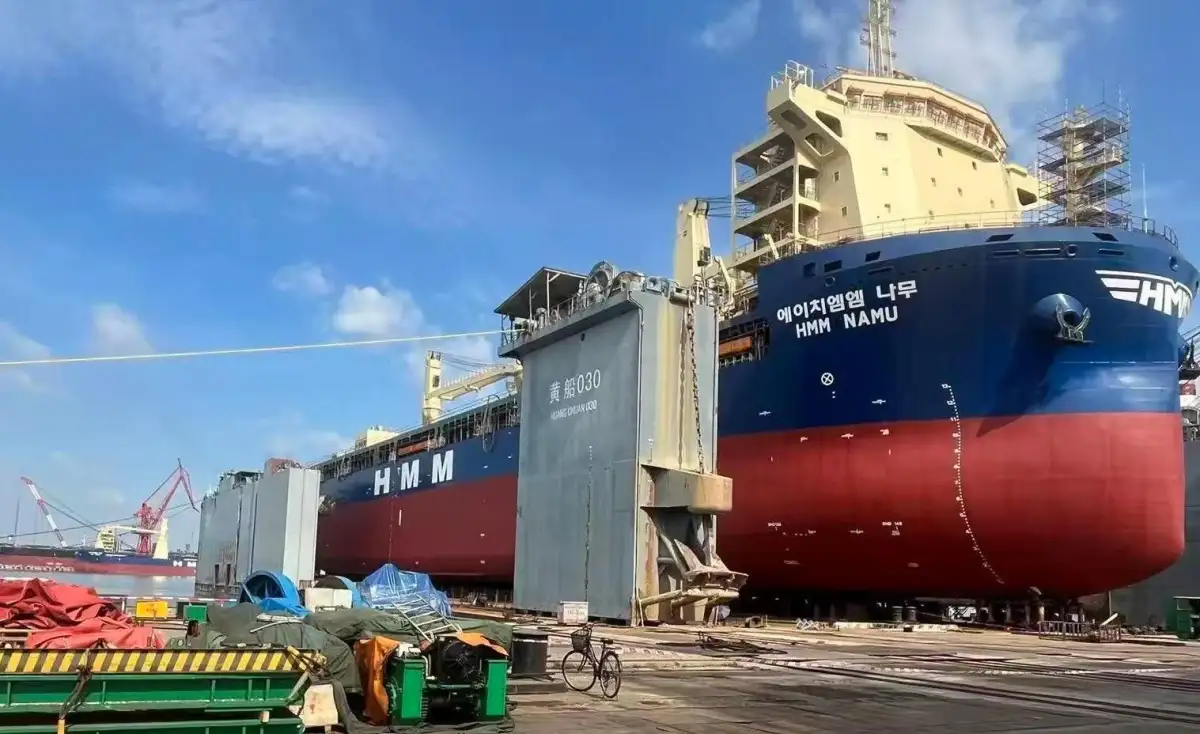
The renewed restrictions follow 'Israeli strikes on Lebanon', which state media has cited as justification for reimposing controls. These actions have occurred against a backdrop of 'US forces intercepting 21 ships headed for Iran' since a blockade commenced on Monday, according to statements from 'US Central Command'. A data analysis firm, Kpler, has noted that 'maritime movement through the Strait is now confined to corridors requiring Iranian approval'.
Read More: Iran Warns Gulf States After U.S. Naval Clash
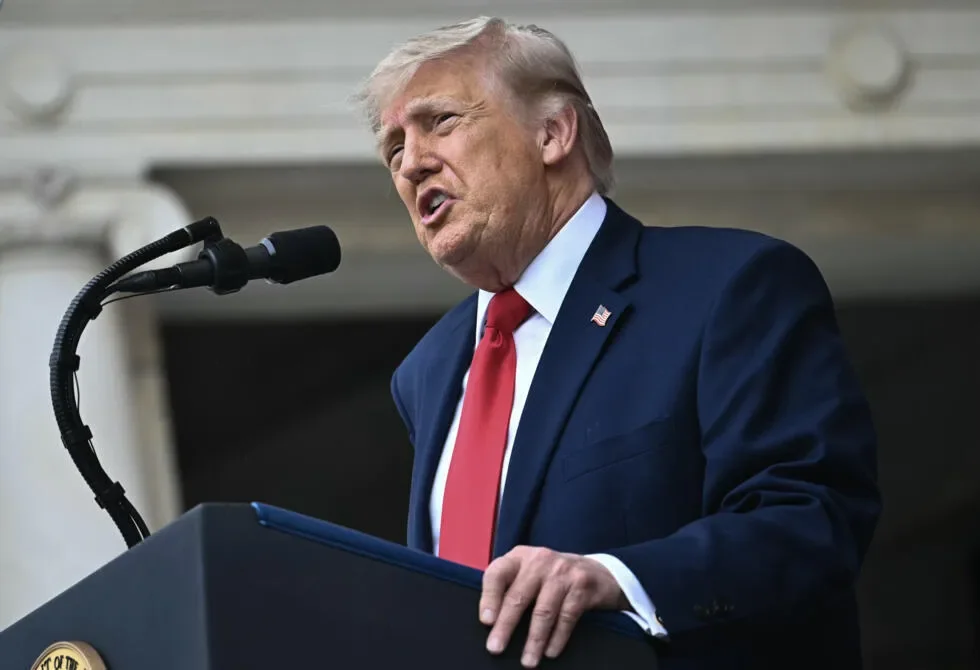
While 'Iran claims it agreed to a ceasefire with the US that reopened the waterway', the subsequent reimposition of restrictions suggests a breakdown in communication or differing interpretations of the terms. 'President Trump had publicly thanked Iran for announcing the Strait's reopening', an event that now appears to have been short-lived. The Iranian navy has issued veiled warnings to "enemies," asserting its readiness to inflict "bitterness of new defeats," though specific targets were not detailed.
This unfolding situation presents a complex web of diplomatic assertions and military actions. The Strait of Hormuz, a vital chokepoint for global oil trade, remains a focal point of regional tension. The underlying disputes appear intertwined with broader regional conflicts, including the 'Israel-Hezbollah hostilities' and 'Iran's nuclear program', with conflicting narratives surrounding enriched uranium.