Oil Prices Dip, Equities Show Modest Gains as Talks Emerge as a Possibility
The volatile dance of global markets continues, with recent data suggesting a cautious optimism bleeding into financial sectors. Oil prices have seen a noticeable pull-back, falling below the $100 mark in some instances, a direct consequence of renewed hopes for renewed dialogue between the United States and Iran. Concurrently, stock markets, particularly in Asia and Europe, have posted gains, a ‘relief rally’ that some analysts interpret as a positioning adjustment rather than a fundamental shift towards sustained risk-taking.
The core narrative suggests that a temporary cessation of hostilities, or even the prospect of talks, significantly impacts energy markets, while injecting a dose of stability into equities. However, persistent underlying economic anxieties remain, casting a shadow over the durability of these market movements. The current upswing appears to be a reaction to perceived de-escalation, not necessarily a robust endorsement of future economic stability.
Gold's Dual Role: Safe Haven and Hedge
Amidst the ebb and flow of oil and stocks, gold has maintained its allure. Reports indicate a rise in gold prices, driven by its established role as a 'safe haven' asset. This demand is further amplified by the fluctuating geopolitical climate and the inverse correlation gold shares with the US Dollar and US Treasuries.
Demand drivers for gold:
Geopolitical tensions stemming from the conflict with Iran.
Investor hedging against broader economic uncertainty.
Structural demand influenced by de-dollarization trends.
The precious metal’s performance also shows an inverse relationship with riskier assets, meaning as stocks gain, gold's immediate surge might be tempered, though its safe-haven status provides a baseline of support.
Underlying Economic Currents
The broader economic picture remains complex, with inflation data and central bank policy playing crucial roles. Recent reports highlight that the ongoing conflict has driven up energy costs, impacting wholesale prices in the US. This inflationary pressure has previously led to divisions within the Federal Reserve regarding monetary policy, with some policymakers open to interest rate hikes if inflation persists, while others favor cuts if price pressures ease. The upcoming release of the US Personal Consumption Expenditures Price Index is keenly watched for further clues on the central bank's trajectory.
Read More: Iran Warns Gulf States After U.S. Naval Clash
Historical Context and Shifting Sands
The current market dynamics are a direct echo of weeks of fluctuating fortunes. Earlier in March, oil prices had surged, reaching over eight-month highs, pushing diesel prices to two-year peaks, as concerns over a widening conflict with Iran intensified. This period saw US government bonds initially gain before falling as investors recalibrated expectations for the inflationary impact of higher oil prices.
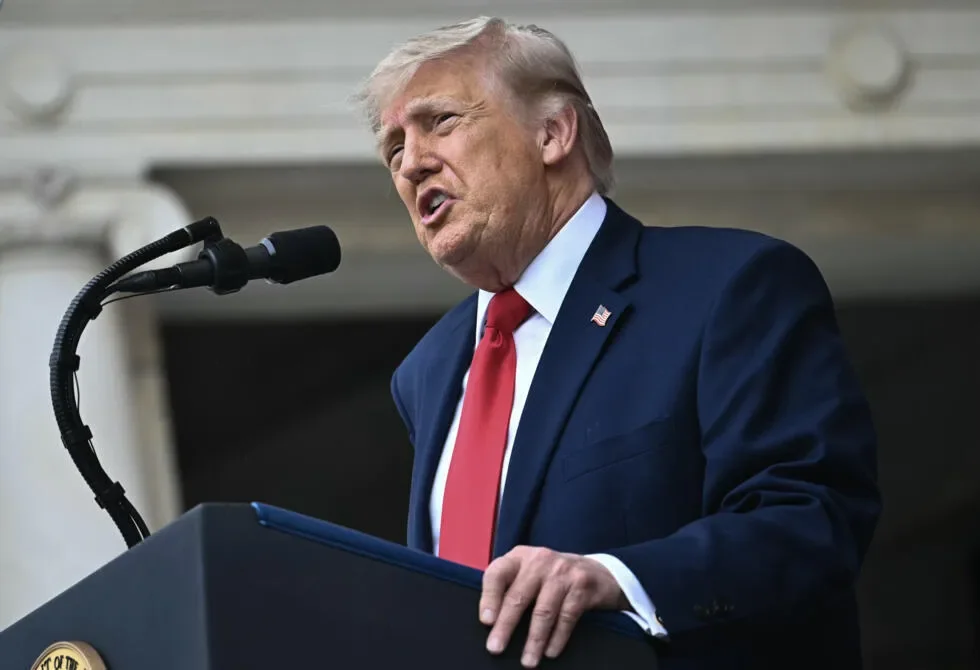
U.S. President Donald Trump has stated he agreed to a two-week suspension of planned attacks on Iranian infrastructure, contingent on Iran's agreement to a "COMPLETE, IMMEDIATE, and SAFE OPENING of the Strait of Hormuz."
This conditional pause underscores the delicate nature of the current de-escalation efforts. While some market participants have seized on this as a potential turning point, skepticism about the longevity of any ceasefire remains prevalent.
Read More: US Markets Drop as Consumer Spending Slows Down
The conflict, now in its seventh week, has also been flagged by the International Energy Agency as a factor that could lead to an annual decline in oil demand, the first such occurrence since the pandemic-induced isolation periods. This long-term projection adds another layer of complexity to the immediate market reactions.
The interaction between geopolitical events, central bank policy, and underlying economic pressures creates a constantly shifting landscape, where immediate relief can be as fleeting as the diplomatic breakthroughs that spark it.