Saudi Arabia has privately and publicly urged the United States to intensify its military actions against Iran, according to intelligence confirmations. This push comes as the kingdom itself faces drone attacks attributed to Tehran, a direct consequence of the US-Israeli military campaign initiated on February 28, 2026. The Saudi stance appears to be a significant shift from a previously preferred diplomatic approach, now favouring a more forceful resolution to the standoff over Iran's nuclear and missile programmes.
Recent events highlight the escalating tensions. A drone strike, confirmed as part of Iran's response, impacted an oil refinery in Yanbu on Saudi Arabia's Red Sea coast just last week. While not overtly calling for more bombing, Saudi Arabia's position suggests a desire for a "conclusive outcome that addresses Iran’s full range of threats," as articulated by Khalid Aljabri, a Saudi exile commentator. The kingdom, with its critical Red Sea export routes, has considerable stakes in the regional stability.
Read More: Iran Warns Gulf States After U.S. Naval Clash

Allies Aligning on Increased Pressure
Gulf allies, particularly Saudi Arabia and the United Arab Emirates (UAE), are reportedly showing a stronger inclination towards supporting the US-Israeli war effort against Iran. While President Donald Trump has not formally requested Gulf nations' participation in offensive operations, regional leaders broadly support US actions. One Gulf diplomat indicated a division, with Saudi Arabia and the UAE spearheading calls for heightened military pressure on Tehran. This aligns with reports suggesting these nations are actively lobbying Washington, even prior to the conflict's commencement, for more aggressive military options.
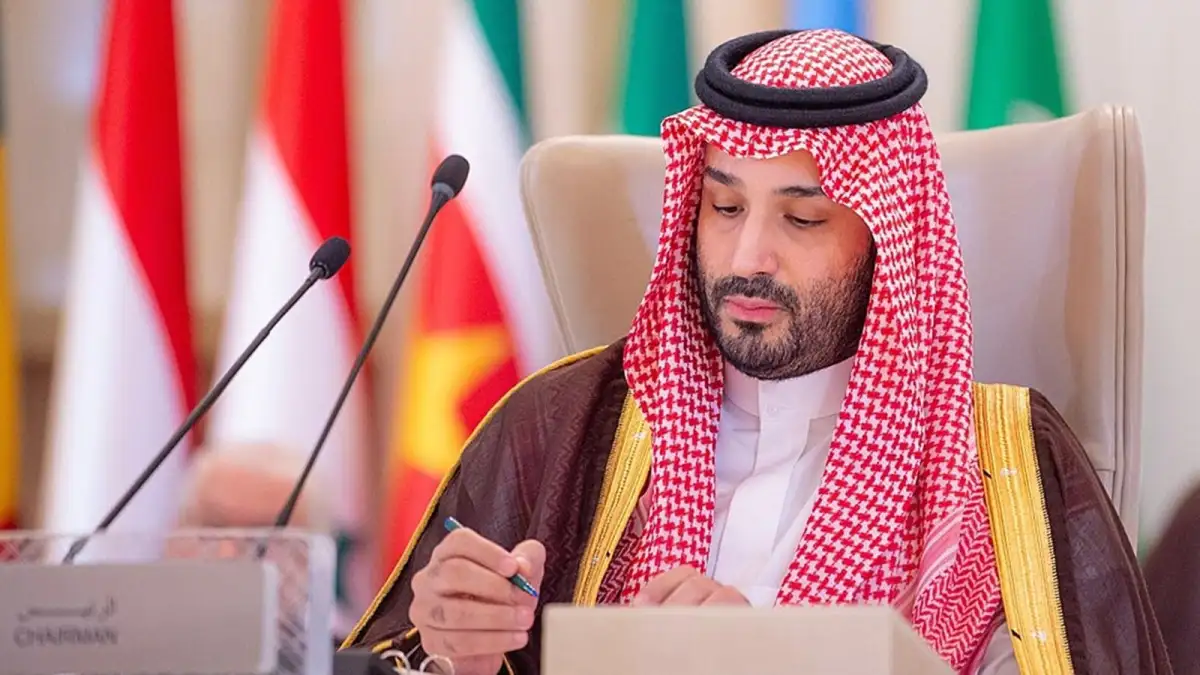
The underlying motivations for Saudi Arabia's advocacy for a prolonged conflict are complex. Crown Prince Mohammed bin Salman (MBS) is believed to favour more aggressive US military strategies, including targeting Iran's energy infrastructure. Options reportedly under consideration include operations like seizing Kharg Island, Iran's primary oil export hub, a move that would represent a substantial escalation. While Israel might find a weakened or unstable Iran acceptable, Saudi Arabia reportedly harbours concerns that a collapsed Iranian state could destabilize the region, empowering militias and directly threatening Gulf security.
Read More: Gulf Oil Exports Rise in June but Still Below Pre-War Levels
Shifting Regional Dynamics
Historically, Saudi Arabia had been moving towards diplomatic rapprochement with Iran in the years leading up to the current conflict. However, the ongoing hostilities appear to have nullified those efforts. Iran's foreign minister, early on March 25, 2026, insisted that Tehran's attacks were directed solely at US forces, despite incidents impacting civilian targets. This assertion stands in contrast to the confirmed drone strike on a Saudi oil refinery.
The broader context involves a period of shifting alliances and regional strategies. Reports suggest Saudi Arabia is not merely an observer but an active player in shaping the US approach to the Iran conflict. The kingdom's decision to grant expanded base access for US operations underscores this evolving response. Meanwhile, unrelated news from March 25, 2026, highlights other geopolitical developments, such as Prime Minister Narendra Modi's announcement of India's ratification of the Paris Agreement, met with approval from the White House and France, and Modi's discussions on bilateral ties with the new British Prime Minister Theresa May. Also noted was the arrest of a man near the UK Parliament, armed with knives, which Scotland Yard described as foiling a terror attack. These varied global events underscore the complex and multifaceted nature of international relations during this period.
Read More: Russia Boosts Air Defense Against Ukraine Drone Attacks