The discourse surrounding the optimal cinematic narrative structure has frequently orbzed around the grand sweep of trilogies or the contained world of a single film. However, a burgeoning collection of critical analyses, particularly those emerging in late 2025, highlights the distinct appeal and artistic merit of the duology – a two-part story that offers a complete, compelling arc without succumbing to franchise fatigue. These curated lists, appearing across various film publications, consistently point to a shared appreciation for duologies that exhibit quality over quantity, engaging audiences within self-contained yet expansive worlds.
The explicit split of a single narrative into two distinct halves defines the duology, differentiating it from episodic series or standalone features. This structure allows for a more in-depth exploration of characters and themes, a phenomenon repeatedly underscored in recent retrospectives. For instance, the adaptation of Frank Herbert's "Dune" into two cinematic installments, Dune and Dune: Part Two, is frequently cited as a prime example of successfully translating an epic novel into a cohesive two-part cinematic experience. Similarly, the pairing of Jean de Florette and Manon of the Spring, released in close succession, is noted for its ability to deliver a lengthy, engrossing narrative within its two-part framework.
Read More: The Devil's Rain 4K release sparks debate on cult status
Recurring Patterns in Duological Acclaim
Across multiple publications released in 2025, a pattern emerges regarding the most lauded duologies. Kill Bill: Vol. 1 and Vol. 2 are consistently presented as a singular, unified cinematic work, with many noting their direct relationship as two parts of the same film. The Blade Runner films, specifically the original Blade Runner (1982) and its successor Blade Runner 2049 (2017), also feature prominently, recognized for their distinct atmospheric qualities and thematic depth that complement each other across the two installments.
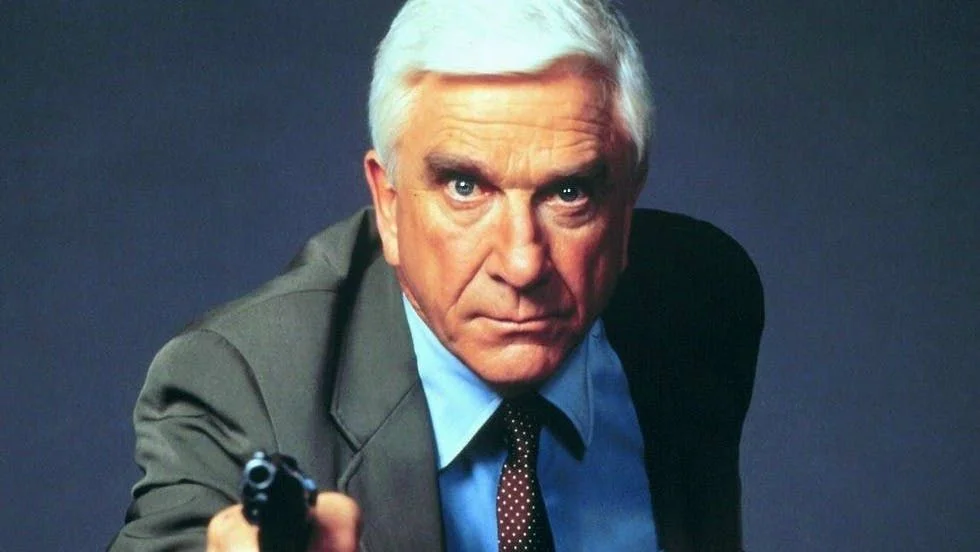
Other duologies frequently mentioned include:
Read More: Inception's Dream Logic Now More Influential Than 2001's Space Spectacle
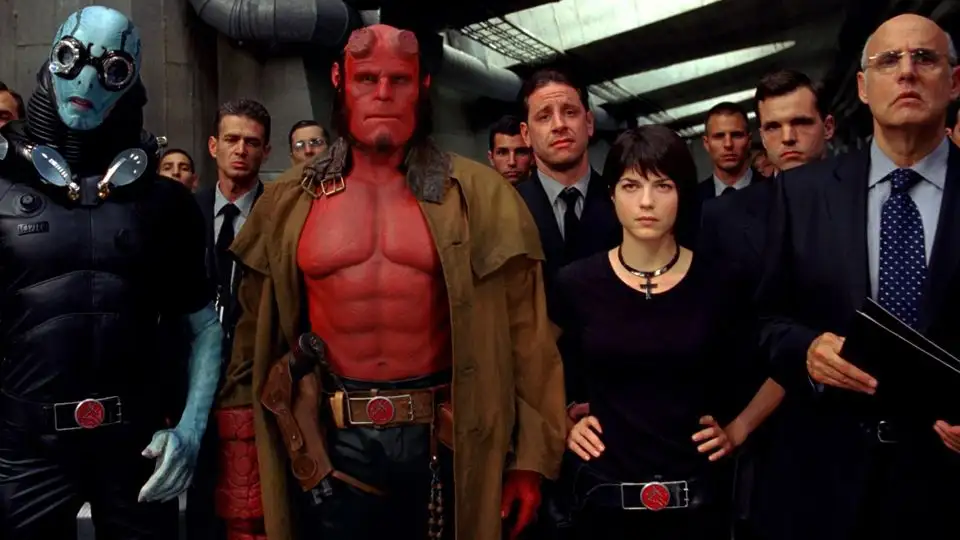
Hellboy and Hellboy II: The Golden Army: These films are often lauded for their well-crafted nature and Guillermo del Toro's distinct directorial vision.
The Hustler and The Color of Money: These films are highlighted for charting the character arc of "Fast" Eddie across different stages of his life, a feat accomplished over two distinct yet connected movies.
Top Gun and Top Gun: Maverick: The sequel is frequently praised as a remarkable continuation that deepens the original's themes and character development.
Defining the Duology: A Question of Structure and Intent
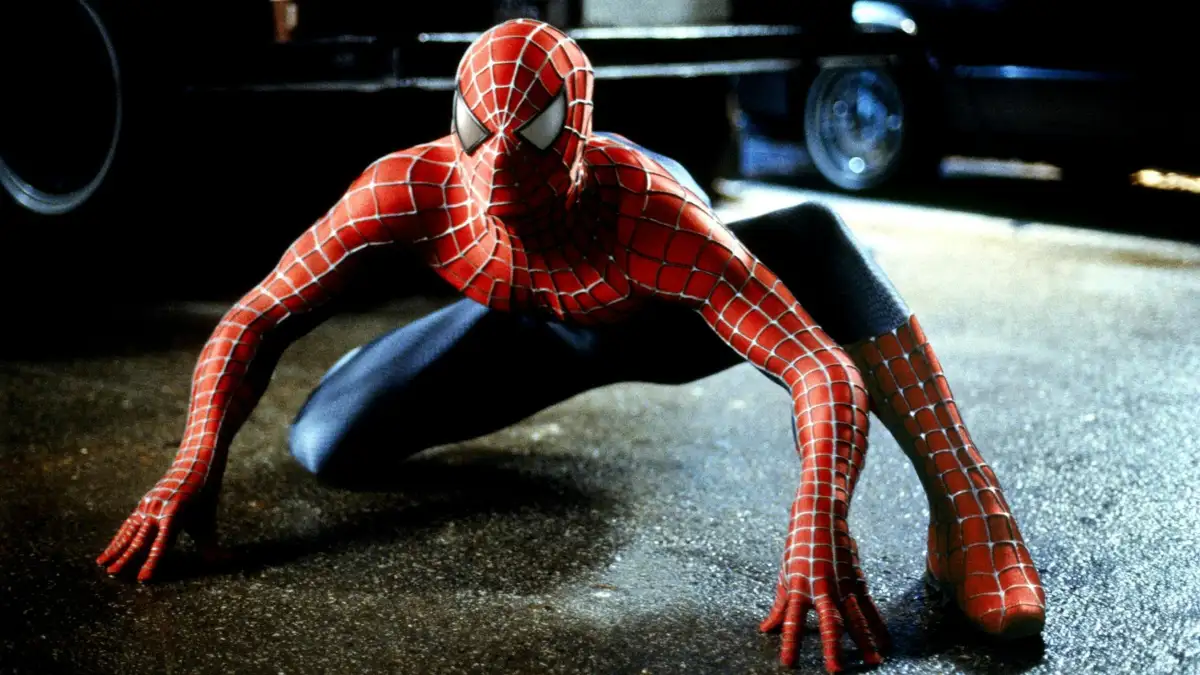
The very definition of a duology is a subject of subtle contention, often hinging on whether the films were conceived as a two-part whole or if a sequel was a later development. For example, the Batman films directed by Tim Burton are sometimes discussed in this context, particularly in relation to the evolving vision of the character and his world across two distinct directorial efforts. The Addams Family films, The Addams Family and Addams Family Values, also appear in discussions, though some analyses acknowledge debate regarding their inclusion on such lists due to their individual comedic identities.
The Appeal of the Two-Part Structure
The allure of the duology, as presented in these recent articles, lies in its ability to offer a complete and satisfying narrative experience. It bypasses the perceived excesses of prolonged franchises and the potential incompleteness of single films. This format allows for:
Read More: Mortal Kombat 3 Script Done, But Studio Has Not Said Yes Yet
A focused, self-contained storytelling approach.
The development of rich characters and complex thematic explorations within a defined scope.
An avoidance of franchise fatigue, offering a cohesive experience without unnecessary extensions.
The concept of "two really is the magic number" surfaces repeatedly, suggesting a growing recognition for this particular narrative cadence. While trilogies have historically dominated cinematic discussions, the duology's resurgence in critical retrospectives indicates a renewed appreciation for its unique strengths.
:max_bytes(150000):strip_icc()/MORTAL-KOMBAT-II-LEWIS-TAN-050826-f54556c368f34929b0ed2ea7f658c792.jpg)