:max_bytes(150000):strip_icc()/Rhubarb-Sour-FT-MAG-RECIPE-0325-8b019bb8ae774861bb954b9fc87e0936.jpg)
As warmer weather asserts itself, a medley of cocktails is appearing in online publications, centering on fruit-forward and herbaceous notes. This trend suggests a shift away from heavier winter libations towards lighter, brighter concoctions. Several recipes highlight the use of infusions and fresh produce, indicating a desire for customized and vibrant drink experiences.
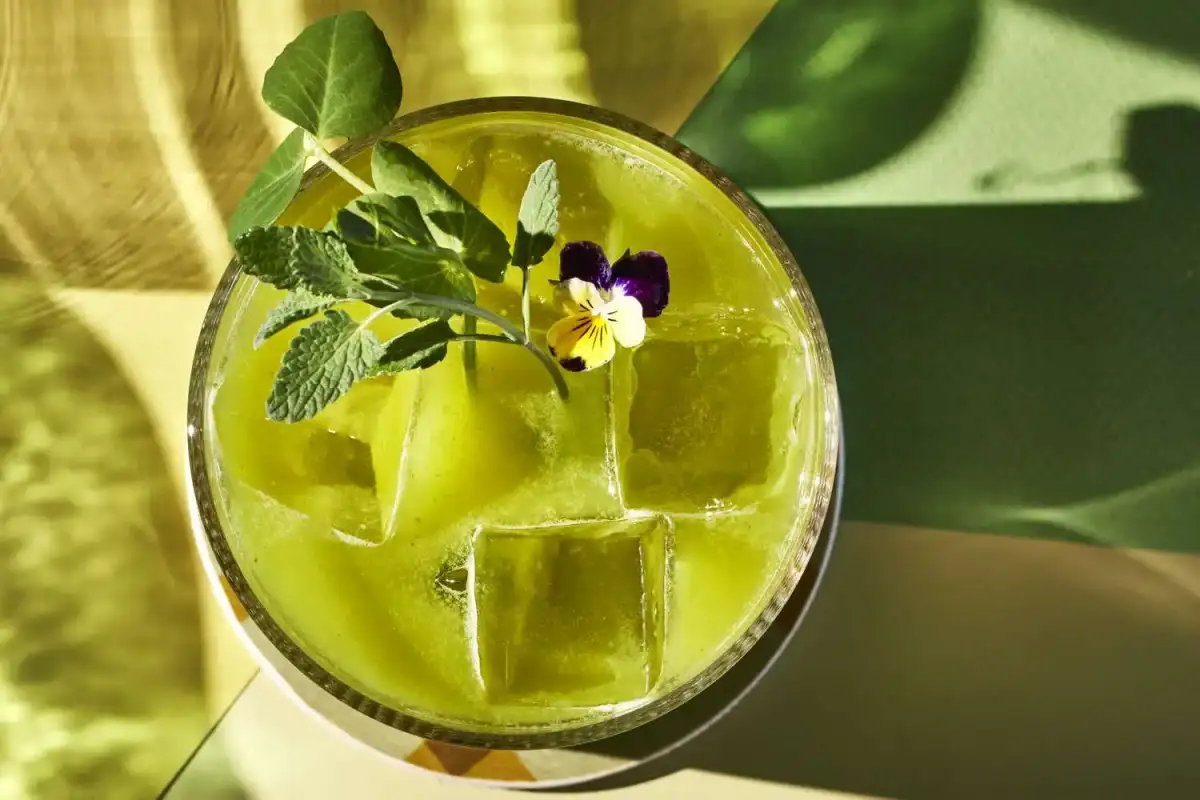
Key ingredients recurring across various reports include raspberries, strawberries, rhubarb, and citrus fruits. Vodka and gin appear as prominent base spirits, often paired with liqueurs and fresh juices. The popularity of the 'Spritz' format also persists, with variations featuring Aperol, Campari, and elderflower liqueur alongside prosecco and soda water. Non-alcoholic options, like a raspberry and rose water shrub, are also making an appearance.
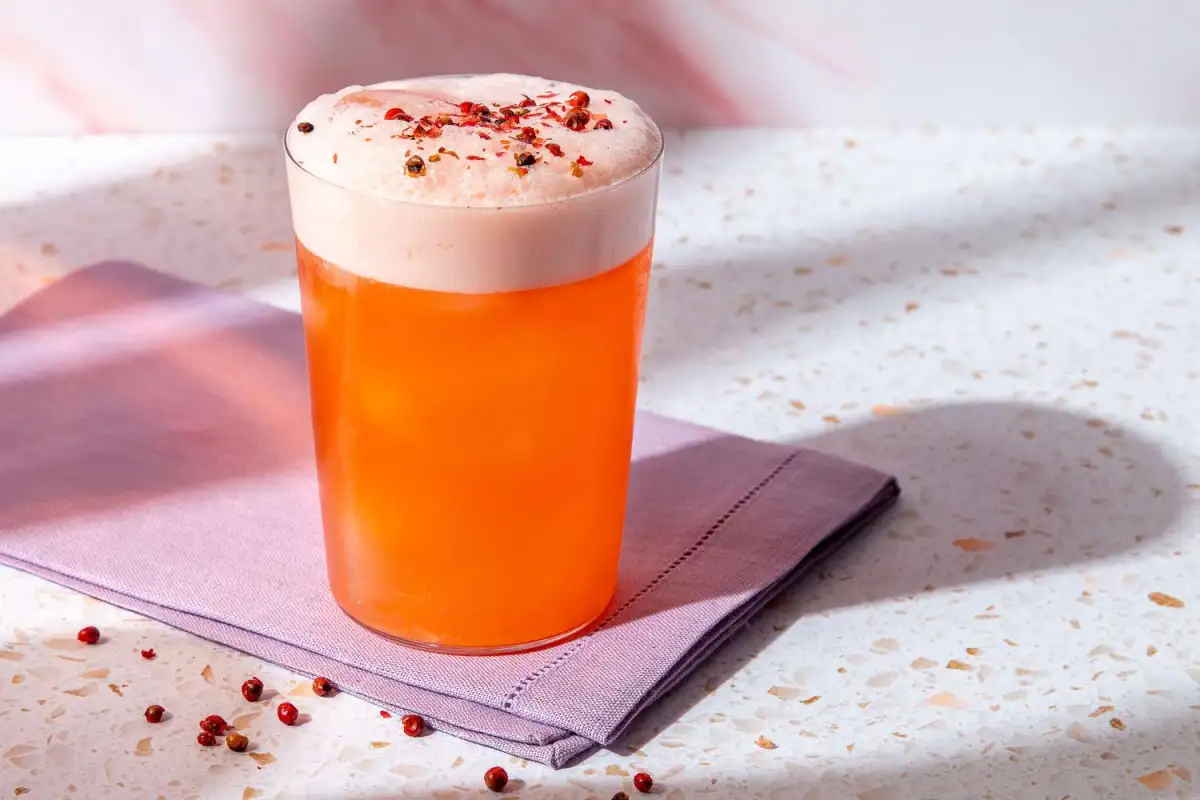
The emergence of these specific drink suggestions, often presented as curated lists or editor recommendations, points to a consumer interest in readily accessible recipes for entertaining or personal enjoyment as the season progresses. This reflects a broader cultural embrace of seasonal ingredients and celebratory consumption.
Read More: King Arthur Cafe Site Becomes Tino Bistro in Late April
Ingredients and Styles Gaining Traction
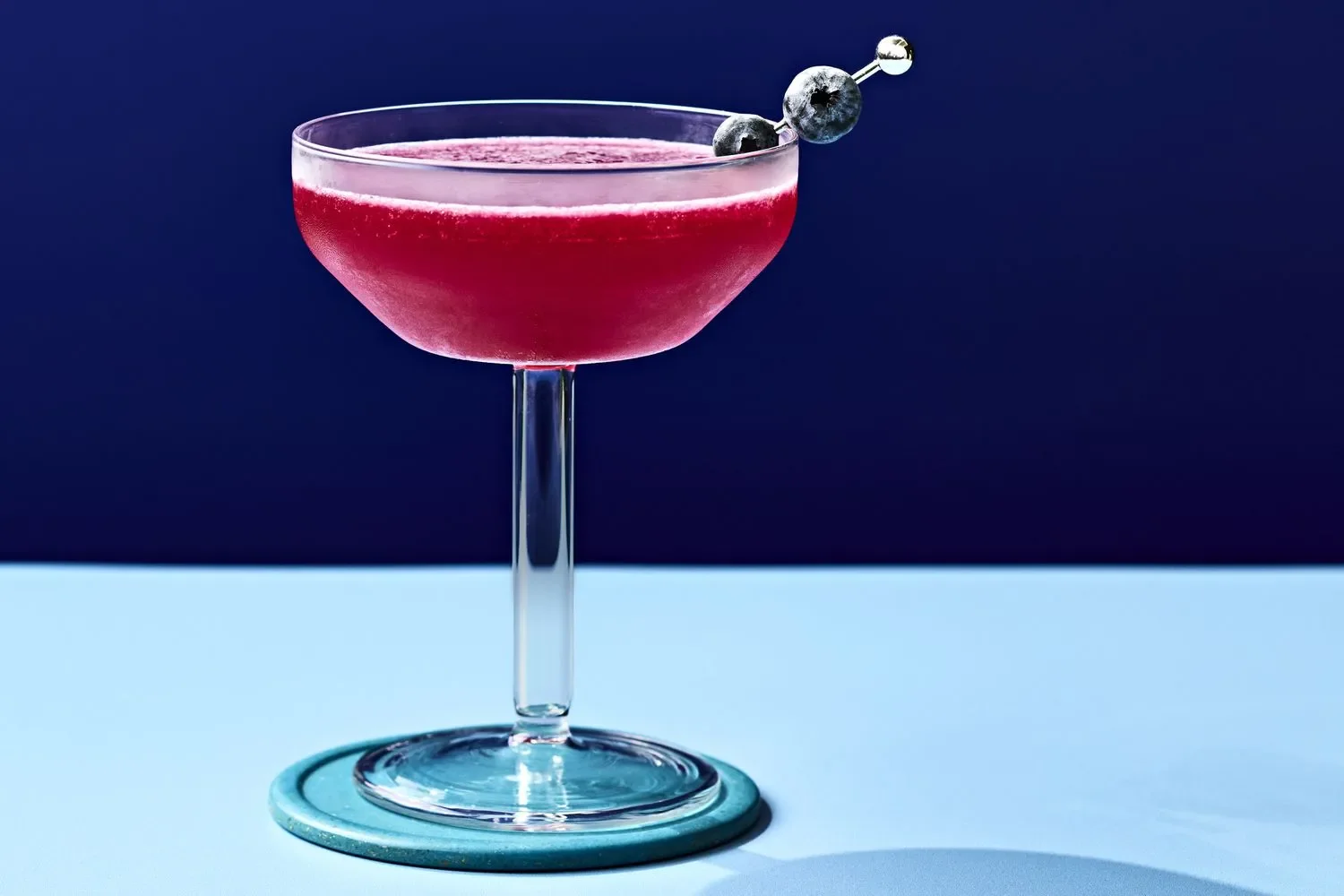
Fruity Foundations: Raspberries and strawberries feature prominently, offering tartness and sweetness. Dragon fruit also surfaces, lending a distinct pink hue.
Vegetal Notes: Rhubarb, known for its tartness, is incorporated into gin-based drinks. Cucumber and basil appear in spritz variations.
Floral Accents: Rose water and lavender are mentioned, suggesting a more delicate flavor profile in some creations.
Spirit Staples: Vodka and gin are frequently cited as the liquors of choice. Mezcal and tequila also make appearances in specific recipes.
Spritz Variations: Beyond the classic Aperol Spritz, recipes include Hugo Spritz (elderflower), Campari Spritz (with limoncello), and a Cucumber-Basil Gin Spritz.
Methodologies and Trends
The preparation of these spring cocktails often emphasizes freshness and flavor layering. Infusing spirits with fruits, such as strawberries into vodka, is presented as a way to elevate simple martinis. The use of simple syrups, often infused with seasonal elements like rhubarb or lavender, appears to be a common technique for balancing sweetness and adding complexity. Techniques like egg whites for frothy sours also highlight a desire for textured drinks.
Contextual Landscape
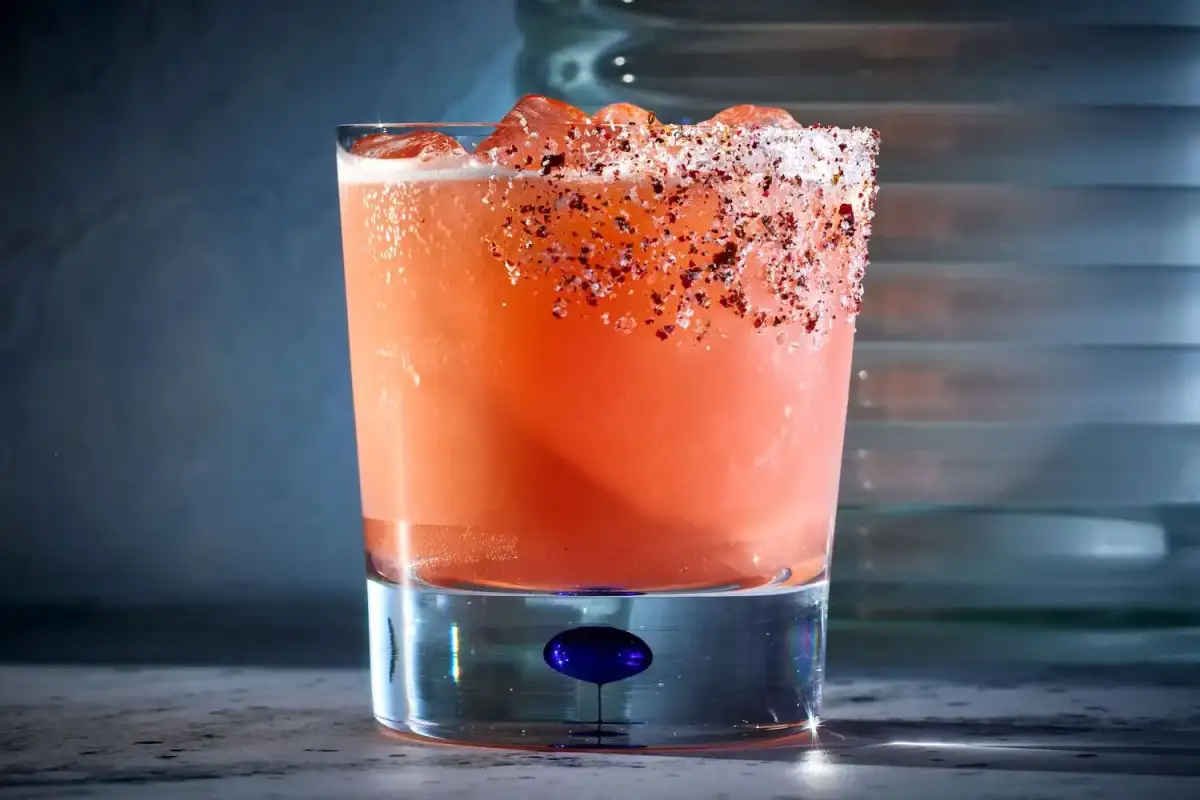
The bulk of these reports were published between February and April of 2025, a timeframe aligned with the general anticipation and onset of spring. The inclusion of articles from a diverse range of culinary and lifestyle websites—including established publications and more niche blogs—indicates a widespread media focus on seasonal cocktail trends. While some articles are more recent (published within the last week, as of April 18, 2026), the core content appears to originate from the previous spring season.
Read More: What guests notice when entering your home in April 2026