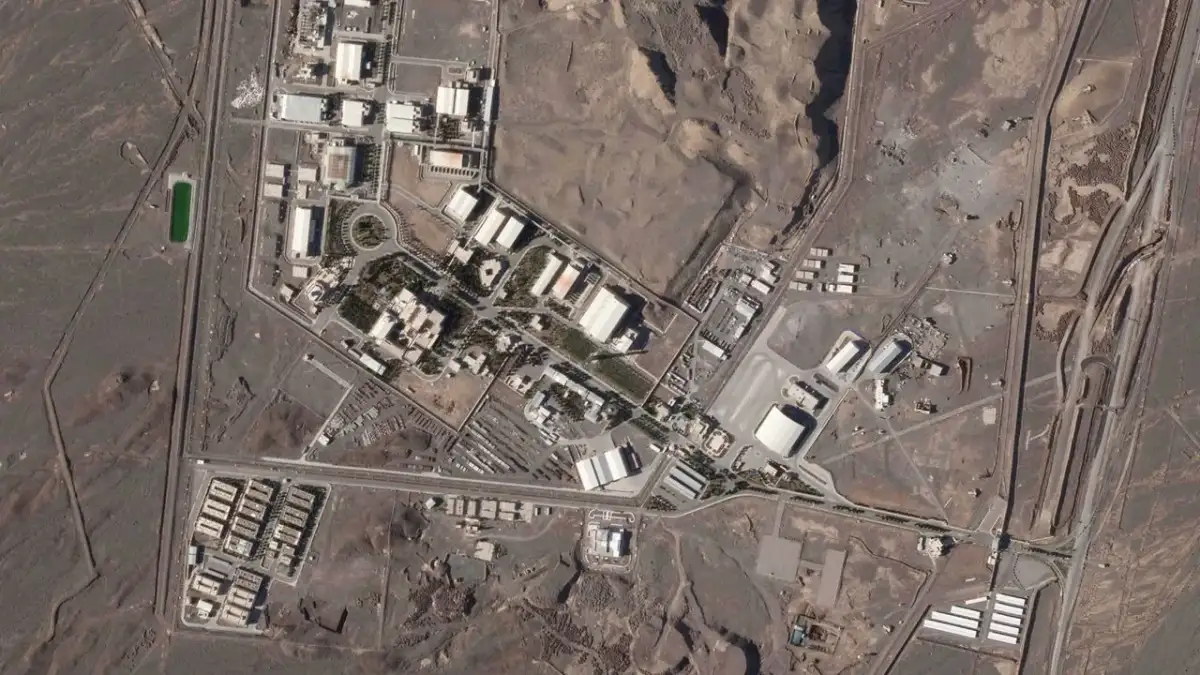
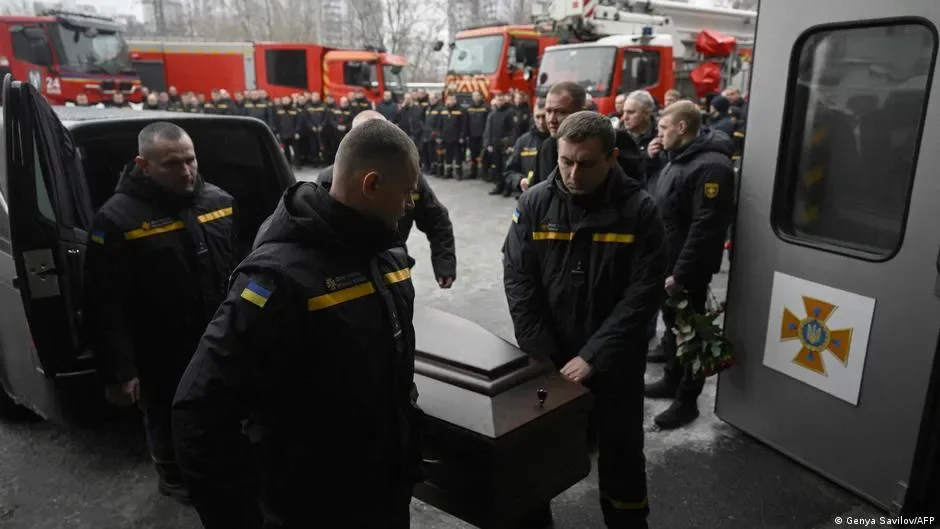
Iranian state television aired imagery appearing to target Donald Trump with a direct assassination threat, stating "this time bullet won’t miss target." The broadcast, which included visuals of a past assassination attempt, comes amid escalating tensions between the United States and Iran, fueled by ongoing protests within Iran and reciprocal threats of military action.
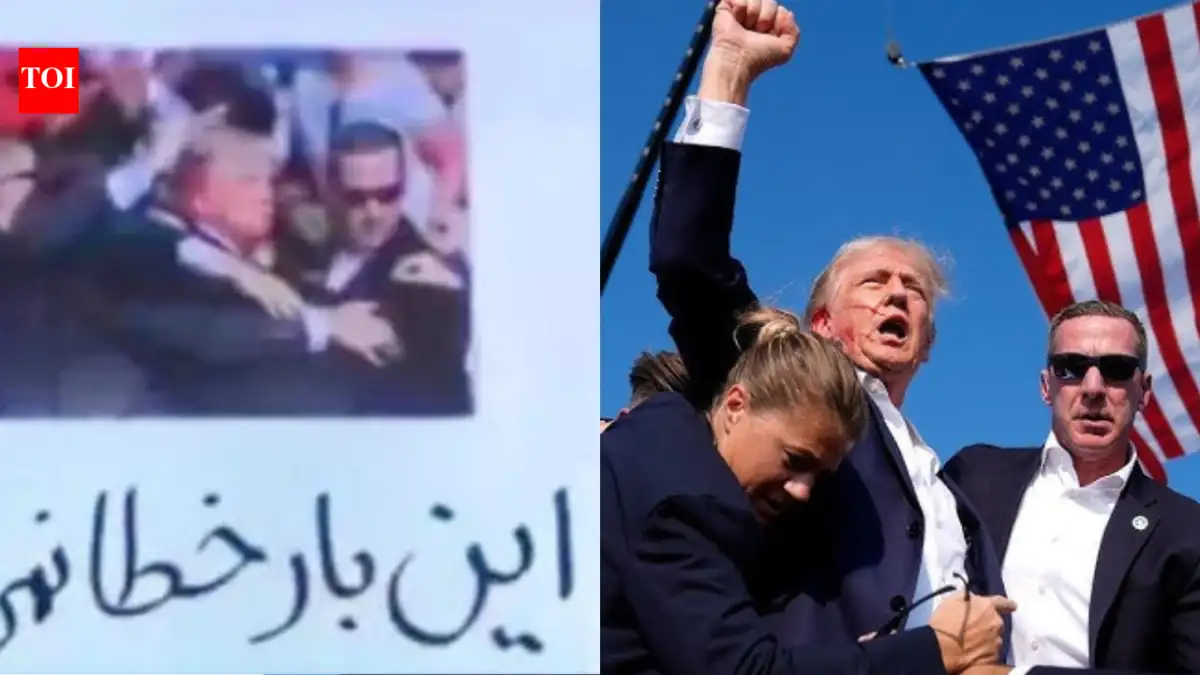
The chilling message, broadcast on Iranian state-run television, linked the threat to a visual from a past assassination attempt and declared that "this time it will not miss the target." This development marks what sources describe as Tehran's most direct threat against the U.S. president to date.
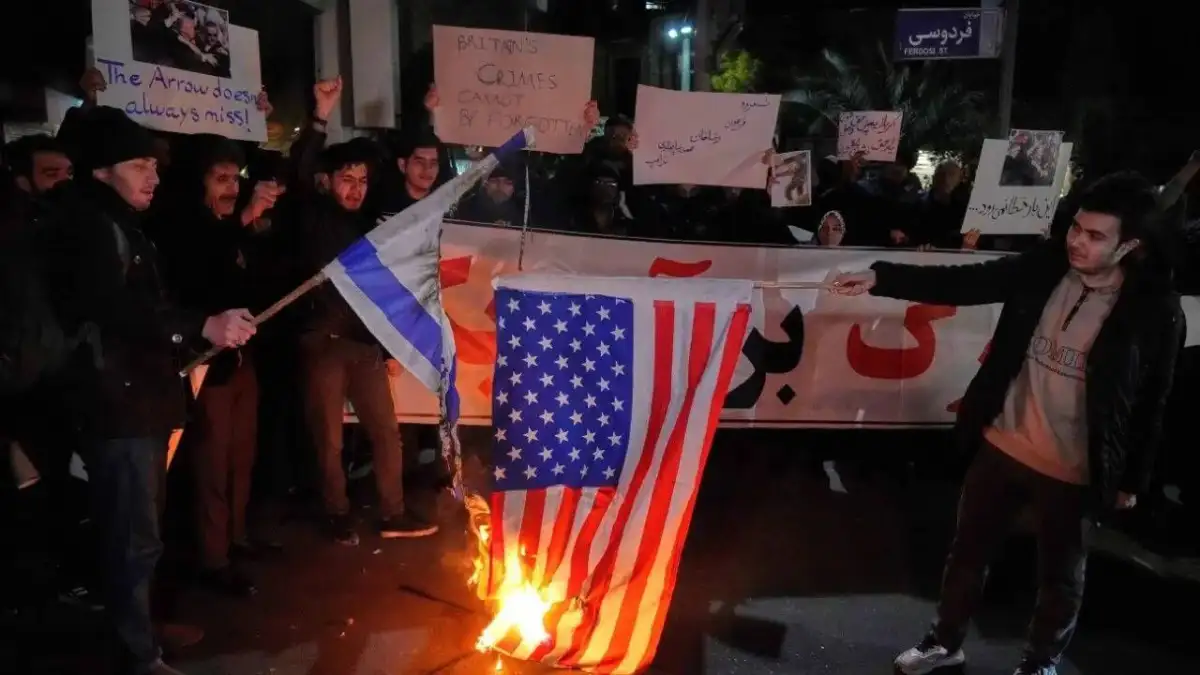
The broadcast coincides with warnings from Trump himself regarding potential military action against Iran's leadership, specifically in response to the government's crackdown on anti-government protesters. The protests, which began in late December following the collapse of Iran's currency, have seen a violent response from authorities. While Iranian officials have offered differing accounts of the protests' origins and progression, rights groups report significant casualties among demonstrators.
Read More: Iran Zagros Mountain Nuclear Site Construction Update April 2026

A Pattern of Escalation
This is not the first instance of Iran issuing threats against Trump or U.S. officials. Reports indicate a history of Iran being linked to assassination plots, often aimed at dissidents abroad. Notably, a state-controlled newspaper, widely considered a mouthpiece for Iran's Supreme Leader, has also repeatedly called for targeted assassinations of Trump and former administration officials.

Iranian security figures, such as Ali Larijani, secretary of Iran's Supreme National Security Council, have publicly warned of the risks Trump faces. These statements, amplified through social media platforms, underscore the volatile nature of U.S.-Iran relations at this juncture.
The U.S. has, in turn, threatened "very strong action" and even to "obliterate" Iran if its citizens are harmed by Tehran. The escalating rhetoric from both sides suggests a dangerous flashpoint, with the potential for direct confrontation increasing as the geopolitical standoff intensifies.
Read More: 40 Die in Quetta to Peshawar Bus Crash in Balochistan on April 3 2026
Background to the Tensions
The current strain in U.S.-Iran relations is exacerbated by several factors:
Domestic Unrest in Iran: Widespread anti-government protests, sparked by economic pressures linked to international sanctions and the collapse of the Iranian rial, have led to a harsh government crackdown.
U.S. Warnings: President Trump has repeatedly stated that the U.S. would take military action if Iran continued its forceful suppression of these protests.
Iran's Accusations: Tehran has accused Washington of using the domestic unrest as a pretext for potential military intervention.
Nuclear Program: Discussions surrounding Iran's nuclear program remain a point of contention, with U.S. policy statements alternating between threats of force and overtures for negotiation.
The latest broadcast on Iranian state TV appears to be a direct response to these escalating threats and counter-threats, weaving together the domestic crisis, the presidential warnings, and a palpable sense of impending conflict.