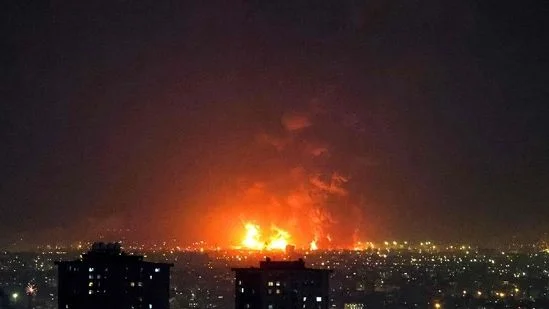
Significant Israeli and US strikes have targeted oil facilities in Tehran, causing widespread fires. Iran, in response, has conducted attacks on locations including Haifa and in the Gulf states, leading to casualties and prompting market closures.
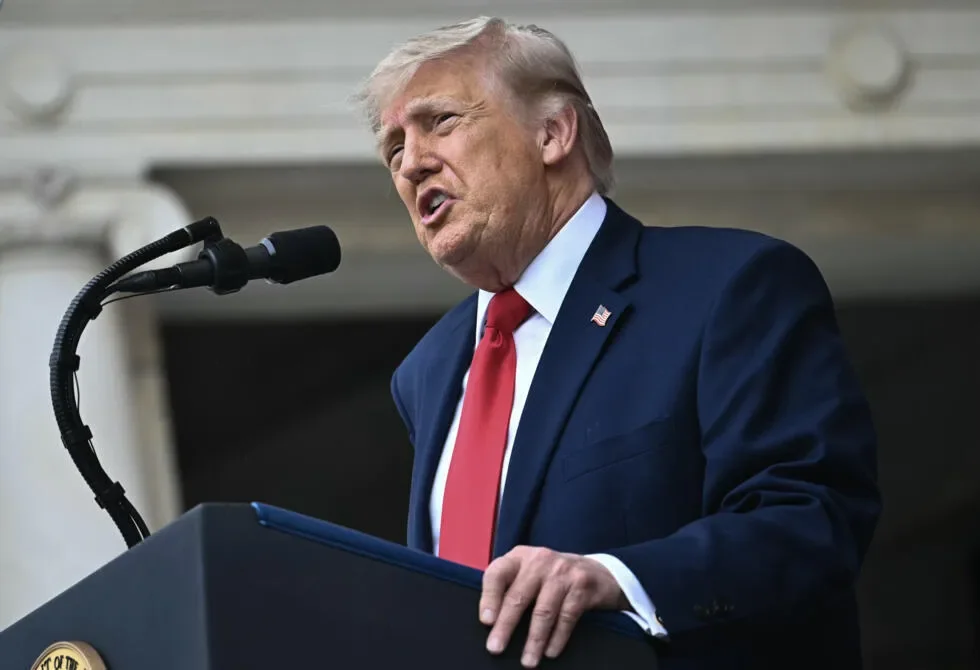
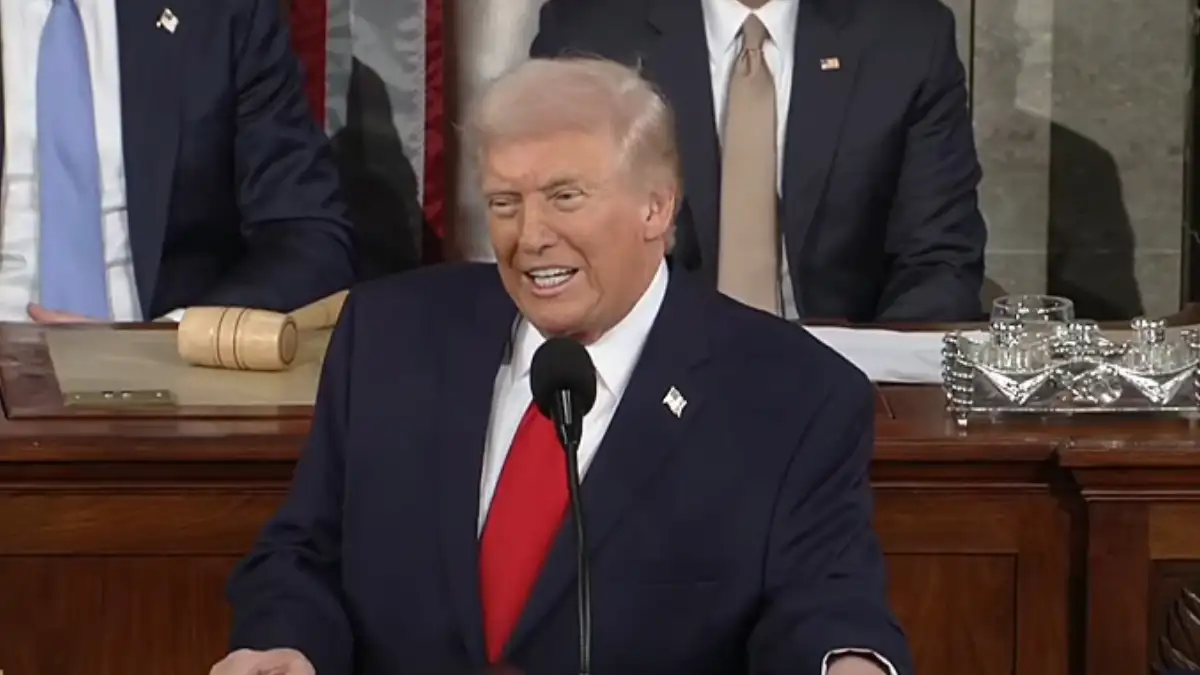
Reports indicate the death of Iran's Supreme Leader, Ayatollah Ali Khamenei, following joint US-Israeli operations in Tehran. Iranian officials have accused the US of waging war and warned of consequences, while US President Trump has issued ultimatums of "surrender or face certain death."
Escalation and Retaliation
Israel has reportedly attacked military compounds in Tehran, with Iranian state media confirming the deaths of senior security leaders. These actions have triggered large fires across the Iranian capital, specifically targeting oil storage and refining facilities. In a reciprocal move, Iran has launched missile attacks on Israel, including a strike on a residential building near Jerusalem that resulted in civilian fatalities.
Read More: Iran Warns Gulf States After U.S. Naval Clash

The conflict has not remained confined to direct engagements. Iran has also directed attacks towards Gulf states, with the UAE reporting casualties and injuries. This has led to the suspension of trading on the Abu Dhabi Securities Exchange and the Dubai Financial Market.
Shifting Sands of Power and Rhetoric
The demise of Ayatollah Ali Khamenei has been a focal point, with Pakistan condemning his killing and labeling it a violation of international laws. Simultaneously, Israel's Prime Minister Benjamin Netanyahu has signaled an intensification of military operations.
The US stance, as articulated by President Donald Trump, has been one of forceful ultimatum, demanding "unconditional surrender." There have also been discussions about potential US ground troop deployments into Iran, though with caveats regarding necessity. Meanwhile, US officials like Hegseth have suggested that the US involvement is in its initial stages.
Read More: Gulf Oil Exports Rise in June but Still Below Pre-War Levels
Broader Implications
The escalating conflict has had immediate economic repercussions, with oil prices surging and forecasts of temporary price hikes for gasoline. The US Energy Secretary Chris Wright has predicted a return to lower fuel costs.
Concerns have also been raised about the potential for wider regional destabilization, including threats to vital shipping lanes.
Background and Context
The current wave of attacks follows a period of heightened tensions. Reports suggest that Iran has already targeted US military bases and sites across the region. The US Senate has been voting on measures to limit President Trump's war powers concerning Iran. There are also indications that Iran may have targeted a US warship in the Indian Ocean. The geopolitical landscape is further complicated by Iran's warnings about its capacity to impact global oil shipments by threatening ships passing through critical waterways.
Read More: Russia Boosts Air Defense Against Ukraine Drone Attacks