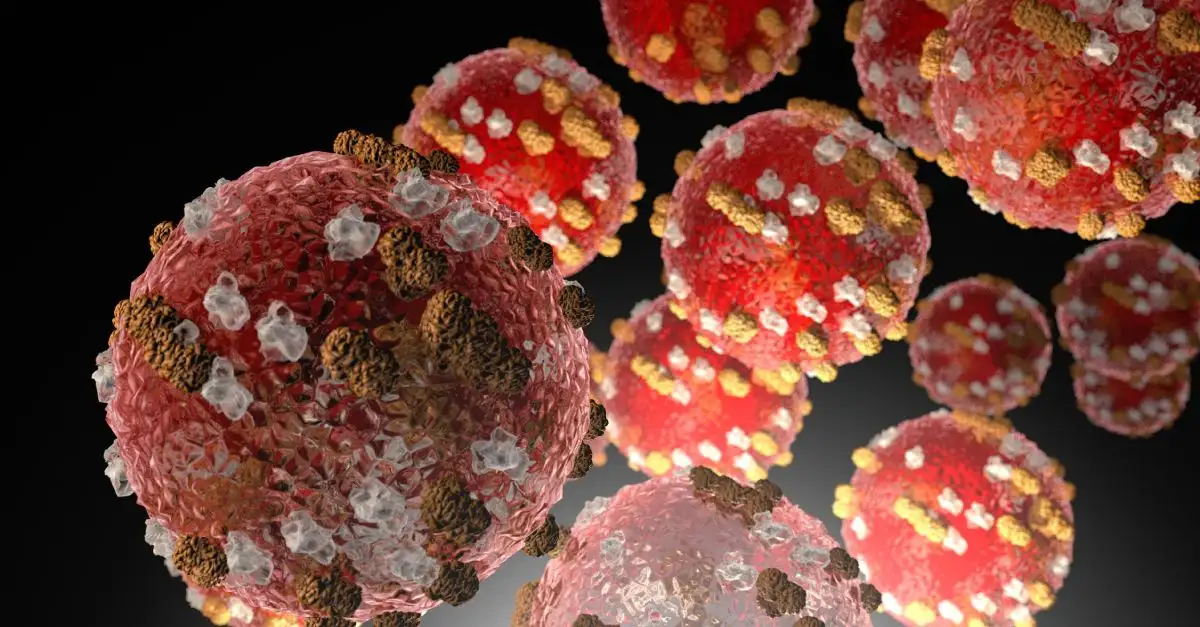
Measles, a virus known for its extreme contagiousness, presents a significant public health concern. Despite being preventable through vaccination, outbreaks continue to occur globally. Understanding how measles spreads and the effectiveness of preventative measures is vital for controlling its transmission and mitigating serious complications.
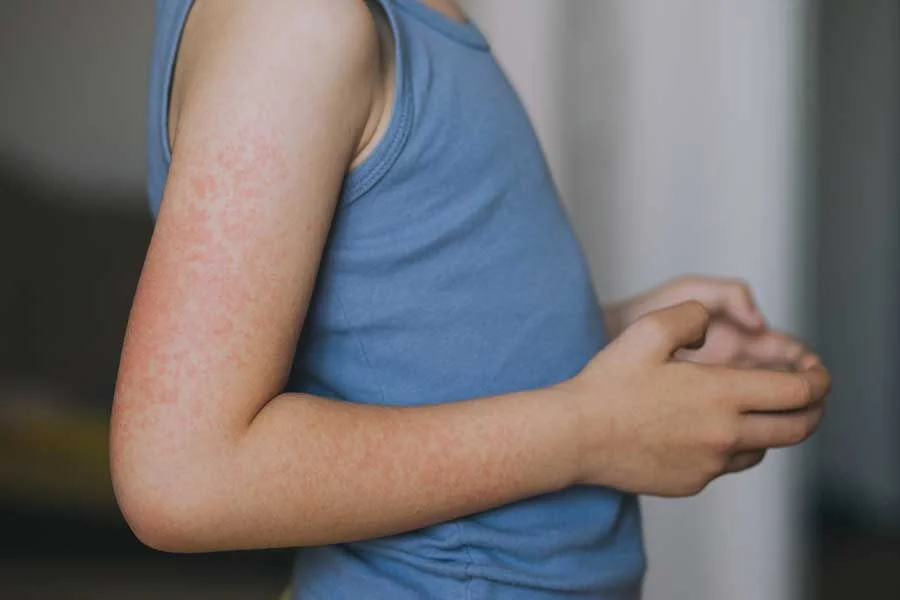
Measles is a highly contagious viral infection that can lead to serious complications. Vaccination, particularly the MMR vaccine, is the most effective way to prevent it.

How Measles Spreads
Measles is caused by a virus and spreads easily from person to person.

Airborne Transmission: The virus lives in the nose and throat mucus of an infected person. It can spread to others through coughing and sneezing.
Lingering Virus: Measles can remain active in an airspace for up to two hours after an infected person has left the area.
Contagious Period: An infected individual can spread the virus from four days before a rash appears until four days after it surfaces. Importantly, people can transmit measles even before they know they are sick.
The Role of Vaccination
Vaccination is widely recognized as the best method for protection against measles.
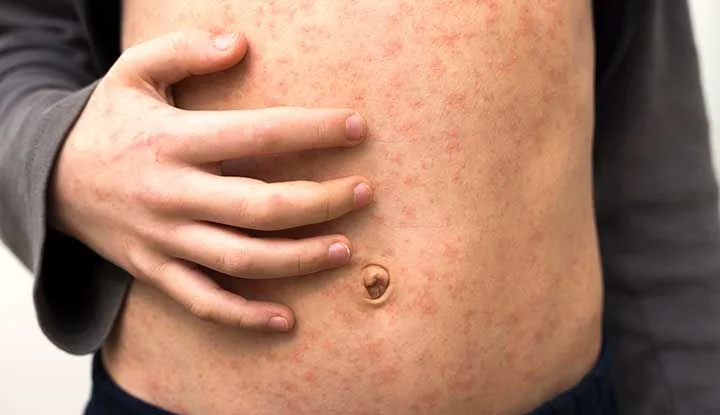
MMR Vaccine: The Measles, Mumps, and Rubella (MMR) vaccine is a safe and effective way to prevent measles.
Dose Efficacy: Two doses of the MMR vaccine provide approximately 97% effectiveness against the virus, offering long-lasting protection against all strains of measles.
Vaccine Schedule: For most children, protection is provided by the MMR vaccine, typically given at 12-15 months of age and again at 4-6 years old.
Alternative Vaccines: The measles, mumps, rubella, and varicella (MMRV) vaccine also offers protection.
Post-Exposure Protection: In some cases, a dose of the measles vaccine given within three days of exposure can help unvaccinated individuals avoid getting sick.
Who is at Risk and Potential Complications
While measles can affect anyone, certain groups are at higher risk for complications.
High-Risk Groups:
Infants too young to receive the vaccine.
Children and adolescents who have not received two doses of the MMR vaccine.
Adults over 20 years old.
Individuals with weakened immune systems or poor nutrition.
Pregnant individuals.
Potential Complications: Measles can lead to severe health issues, including:
Pneumonia, which is the most common cause of death related to measles.
Encephalitis (brain swelling), both acute and a more severe form called subacute sclerosing panencephalitis (SSPE).
Hearing loss.
Laryngotracheobronchitis (inflammation of the voice box and windpipe).
Supportive Care: Vitamin A supplements may help prevent serious complications in children with measles, though they do not cure or prevent the illness itself.
When to Seek Medical Advice
Prompt medical attention is advised if exposure or infection is suspected.
Exposure Concerns: Contacting a healthcare provider is crucial if you believe you or your child has been exposed to measles.
Symptomatic Individuals: If measles is suspected, individuals may need to isolate for four days after the rash appears.
Specific Circumstances: Pregnant individuals who have had measles are advised not to receive the measles vaccine.
Global Context of Measles
Despite widespread vaccination efforts, measles outbreaks continue to be reported worldwide. Efforts to control these outbreaks include nationwide emergency vaccination campaigns, as seen in Madagascar. Conversely, a measles outbreak in Tonga reported hundreds of cases.
Read More: India IVF Costs And Social Barriers Limit Access In April 2026
Expert Analysis
"The best way to help protect against measles is to get vaccinated." - NFID
"Two doses of the MMR vaccine provide the best protection against measles." - CDC
"Measles vaccination: no time to rest." - American Thoracic Society
"Vaccination is a safe and effective way to protect your child against measles." - Kids Health Info (RCH)
Conclusion
Measles remains a significant and highly transmissible disease. The MMR vaccine stands as the most effective defense, offering robust protection for individuals and communities. Vigilance in seeking medical advice following exposure and adherence to vaccination schedules are paramount in preventing further spread and mitigating the serious health risks associated with measles. While most cases resolve within one to two weeks, the potential for severe complications underscores the importance of preventative strategies.
Sources
Mayo Clinic: https://www.mayoclinic.org/diseases-conditions/measles/symptoms-causes/syc-20374857
Brown University Health: https://www.brownhealth.org/be-well/measles-faq-what-it-how-it-spreads-and-how-avoid-it
Wikipedia: https://en.wikipedia.org/wiki/Measles
Cleveland Clinic: https://my.clevelandclinic.org/health/diseases/8584-measles
Yale Medicine: https://www.yalemedicine.org/conditions/measles
CDC (How it Spreads): https://www.cdc.gov/measles/causes/index.html
KidsHealth: https://kidshealth.org/en/parents/measles.html
HealthyChildren.org: https://www.healthychildren.org/English/health-issues/vaccine-preventable-diseases/Pages/Measles.aspx
American Thoracic Society: https://site.thoracic.org/advocacy-patients/patient-resources/measles
Kids Health Info (RCH): https://www.rch.org.au/kidsinfo/factsheets/Measles/