Security Summit Becomes Arena for Domestic Political Battles
The Munich Security Conference, a major gathering for global leaders on European security, has become the stage for a public disagreement between UK political figures regarding the nation's commitment to NATO and its approach to Russia. While the conference aims to foster international cooperation, specific UK parties are being highlighted for their perceived stances on defense and security alliances. The debate centers on whether certain domestic political groups are adequately supporting or potentially undermining the UK's role within NATO and its broader security partnerships.

Context: International Forum, Domestic Focus
At the recent Munich Security Conference, Prime Minister Keir Starmer addressed global leaders, discussing the importance of strengthening the UK's and Europe's commitment to NATO. His remarks, however, extended to critiquing domestic political opponents, specifically the Green Party and Reform UK, whom he accused of being "soft on Russia" and "weak on NATO." This move has drawn criticism, with some interpreting it as a sign of his domestic political anxieties rather than a purely international security focus. Foreign Secretary Yvette Cooper defended Starmer's approach, framing it as a necessary communication of national security concerns to allies, particularly in light of perceived threats. Meanwhile, representatives from Reform UK have refuted these accusations, emphasizing their commitment to a strong defense posture.
Read More: Marco Rubio Easter Bunny Memes Go Viral Online April 2026
Divergent Views on National Security and Alliances
The discussions in Munich highlighted contrasting viewpoints on defense spending and strategic alliances within the UK political landscape.
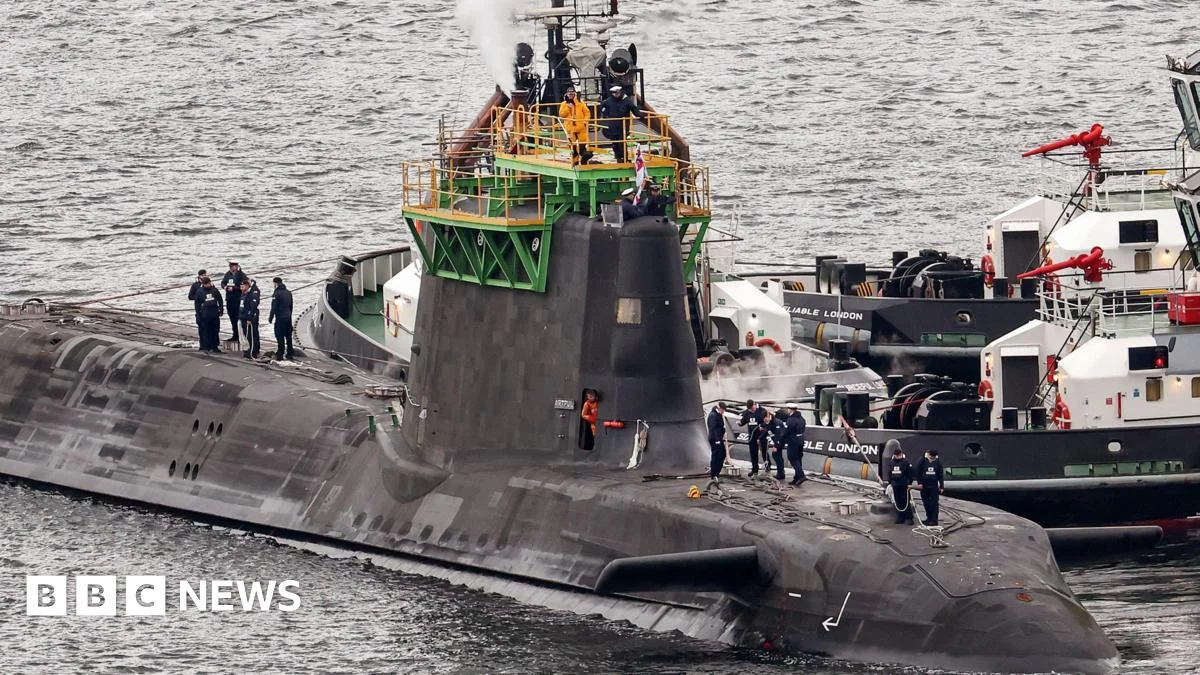
Labour's Stance:
Sir Keir Starmer is positioned to call for increased commitment to NATO from both the UK and Europe.
He aims to explain to the public the importance of rebuilding British defenses and avoiding overdependence on the United States.
Starmer has directly accused the Green Party and Reform UK of being "soft on Russia" and "weak on NATO," or "outright opposed."
Reform UK's Position:
Reform UK has rejected claims that their party is "soft on Russia."
The party's head of policy, Zia Yusuf, has publicly challenged these characterizations.
While not explicitly detailed in the provided summaries, the implication from Starmer's comments is that Reform UK's stance is viewed as insufficient for NATO commitments.
Green Party's Perspective:
The Green Party advocates for defense policy based on human rights, equality, and genuine cooperation, rather than solely on spending.
Ellie Chowns MP acknowledges the need for defense spending and continued NATO membership but calls for a review of strategic defense alliances.
Their approach emphasizes the "three Ds": diplomacy, development, and defense, aiming to address deeper causes of insecurity like poverty and climate change.
Evidence of Public Disagreement
Sir Keir Starmer's Remarks: He is slated to deliver a speech at the Munich Security Conference accusing Reform UK and the Green Party of being "soft on Russia" and "weak on NATO."
"Soft on Russia and weak on NATO - if not outright opposed." - Sir Keir Starmer (as reported by Sky News)
Yvette Cooper's Defense: The Foreign Secretary defended Starmer's comments, suggesting they signal a broader national security concern to allies.
"The partnership Keir has built with other leaders, the work we are doing together is immensely important." - Yvette Cooper (as reported by Huffington Post)
Reform UK's Rebuttal: The party's policy head has refuted Starmer and Cooper's claims regarding their stance on Russia.
"Phillips said there was another way to read the prime minister’s comments, calling it 'a signal to our allies how rattled he is that he has to go to Munich to complain about domestic political opponents, Reform and the Greens.'" - Yvette Cooper (as reported by Huffington Post, quoting an unnamed "Phillips" likely referring to a commentator)"Reform’s head of policy Zia Yusuf also rejected Starmer and Cooper’s claims about his party’s approach to Russia." - Huffington Post
Green Party's Vision: The party outlines its vision for global security, focusing on diplomacy and development alongside defense.
"A Green approach to security is not based on arms and threats, but on the three Ds: diplomacy and development as well as defence." - Ellie Chowns MP (Green Party press release)
Nigel Farage's Stance (Reform UK): While not directly attributed to a Reform UK official policy statement in these articles, Nigel Farage is reported to be the "only political leader who has confirmed on air that he would indeed shoot down Russian aircrafts if they were in Nato airspace." This statement is contrasted with a general sentiment that "Reform don't" take such immediate action seriously.
Defense Spending and NATO Targets
Beyond the specific party critiques, the broader context of UK defense spending and NATO targets is also under discussion.
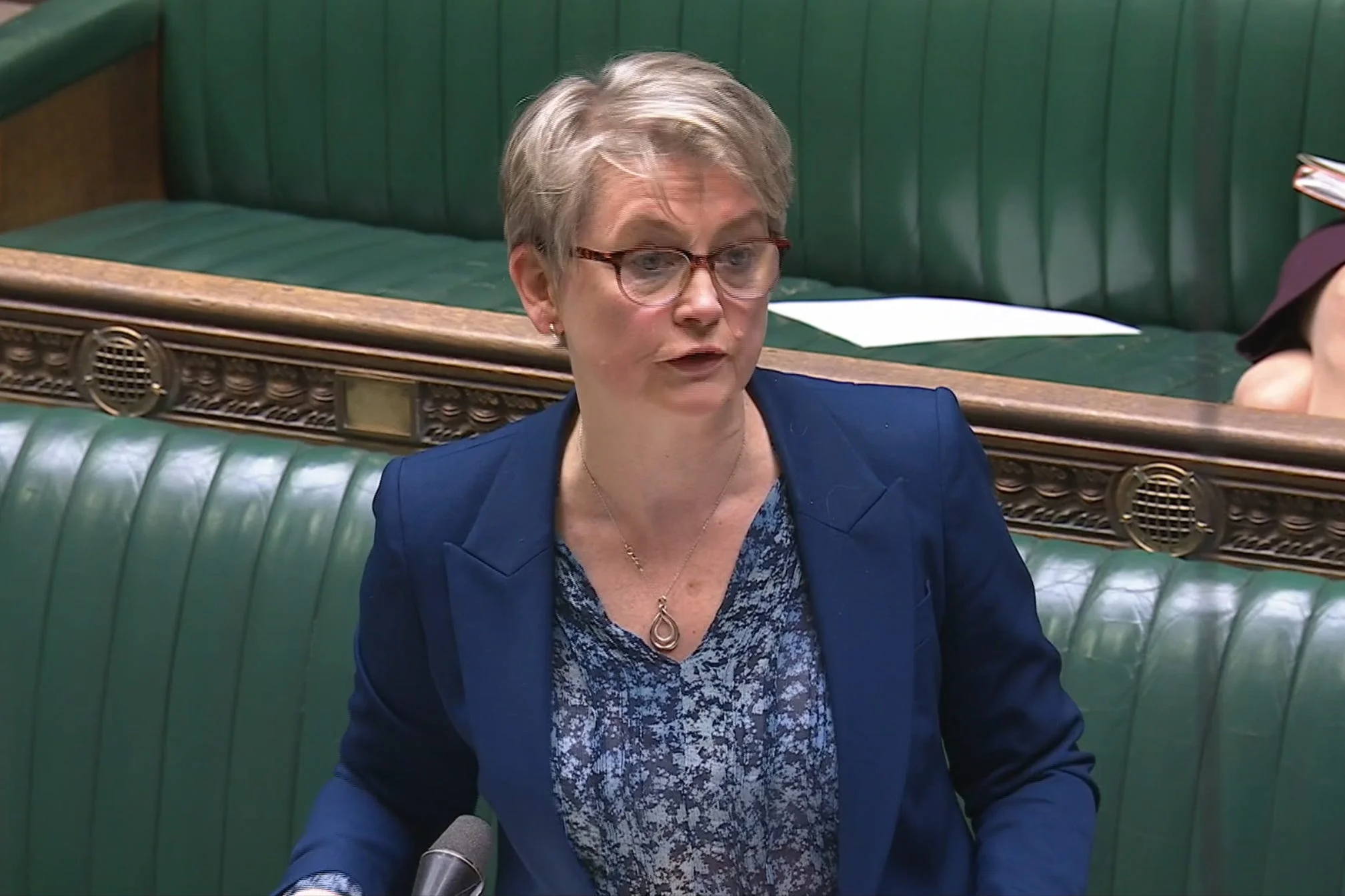
Ongoing Talks: Downing Street has confirmed that discussions are ongoing regarding NATO spending targets, as allies pressure the UK to increase its defense investment.
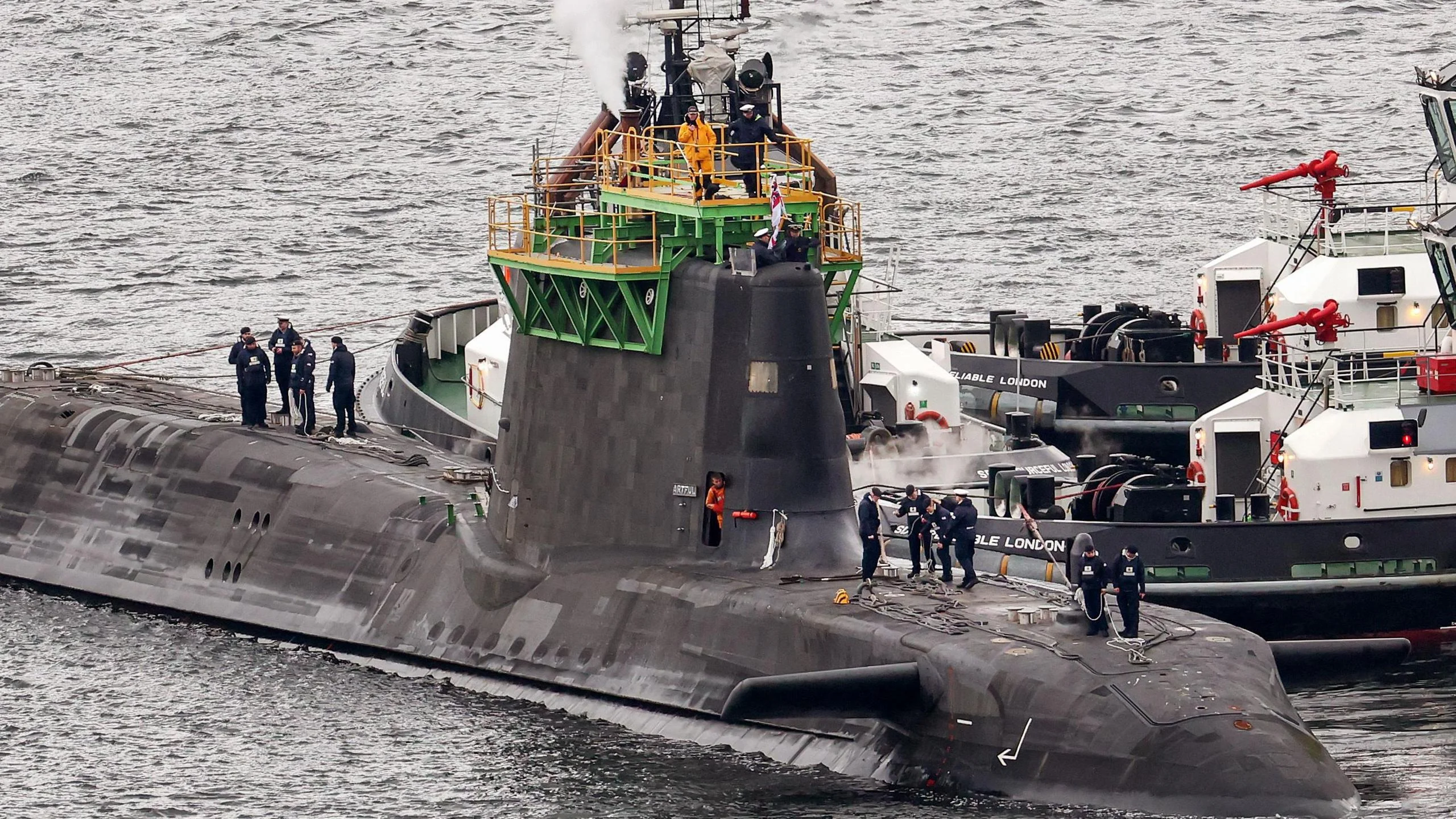
Government Plans: The UK government has unveiled plans to replace its Astute-class submarines and has published its defense strategy, with ministers stating it will ensure the UK is "ready for war."
Specific Pledges: Some Eastern European and Nordic countries have indicated they will increase defense spending to meet NATO targets ahead of a summit in the Netherlands.
Ministerial Statements: A minister stated that the defense plan "will ensure UK is ready for war."
Analysis: Security as a Political Football
The events at the Munich Security Conference underscore a tendency for foreign policy and national security to become entangled with domestic political maneuvering. Sir Keir Starmer's decision to name and critique specific opposition parties on an international stage raises questions about the primary audience for his remarks – is it the global security community, or the UK electorate? Foreign Secretary Yvette Cooper's interpretation of his comments as a "signal to our allies" attempts to reframe this as a matter of transparency regarding potential future security challenges.
Read More: US F-15 Jet Crashes in Iran, One Pilot Rescued, One Missing
Conversely, the Green Party's articulation of a security strategy based on diplomacy and development, while acknowledging defense needs, presents a distinct ideological approach that contrasts with the traditional NATO-centric model. Reform UK's defense against accusations of being "soft on Russia" indicates a sensitivity to perceived vulnerabilities in their foreign policy stance. The public confirmation by Nigel Farage (associated with Reform UK) regarding shooting down Russian aircraft, if accurate, presents a concrete, albeit stark, position on immediate territorial defense, which might be intended to counter criticisms of inaction. The ongoing government discussions on NATO spending targets further highlight the persistent pressure on the UK to demonstrate a robust commitment to collective security, independent of the partisan debates.
Conclusion: Unsettled Security Discourse
The interventions at the Munich Security Conference reveal a UK political landscape where national security and NATO commitments are subject to sharp inter-party disagreement. Sir Keir Starmer's direct criticisms of the Green Party and Reform UK highlight perceived divides in their approaches to Russia and alliance contributions. While these accusations are strongly denied by the targeted parties, they serve to underscore a broader debate about the UK's role in international security. The government's ongoing engagement with NATO spending targets indicates that substantive discussions on defense investment continue, irrespective of the public exchanges between political figures. The differing visions presented, from Starmer's call for strengthened NATO engagement to the Green Party's emphasis on diplomacy and development, illustrate the complex and often conflicting perspectives shaping the UK's approach to global security.
Read More: England Council Elections May 8th 2026 Affect Local Services
Huffington Post UK: Reports on Keir Starmer's comments and Yvette Cooper's response. https://www.huffingtonpost.co.uk/entry/starmer-slammed-for-rant-to-europe-about-reform-and-greensuk69919305e4b03fabab9f6a24?2oo
Sky News: Details Sir Keir Starmer's planned accusations against Reform UK and the Green Party. https://news.sky.com/story/sir-keir-starmer-to-accuse-reform-uk-and-greens-of-being-soft-on-russia-and-weak-on-nato-13507363
The Guardian: Covers Keir Starmer's call for increased NATO commitments from the UK and Europe. https://www.theguardian.com/world/2026/feb/13/keir-starmer-to-call-on-uk-and-europe-to-step-up-commitments-to-nato
Green Party: Presents the Green Party's perspective on global security and defense investment. https://greenparty.org.uk/2025/06/02/greens-call-for-investment-in-genuine-global-security/
BBC News: Reports on ongoing government talks regarding NATO defense spending targets. https://www.bbc.co.uk/news/articles/cj934z098vvo