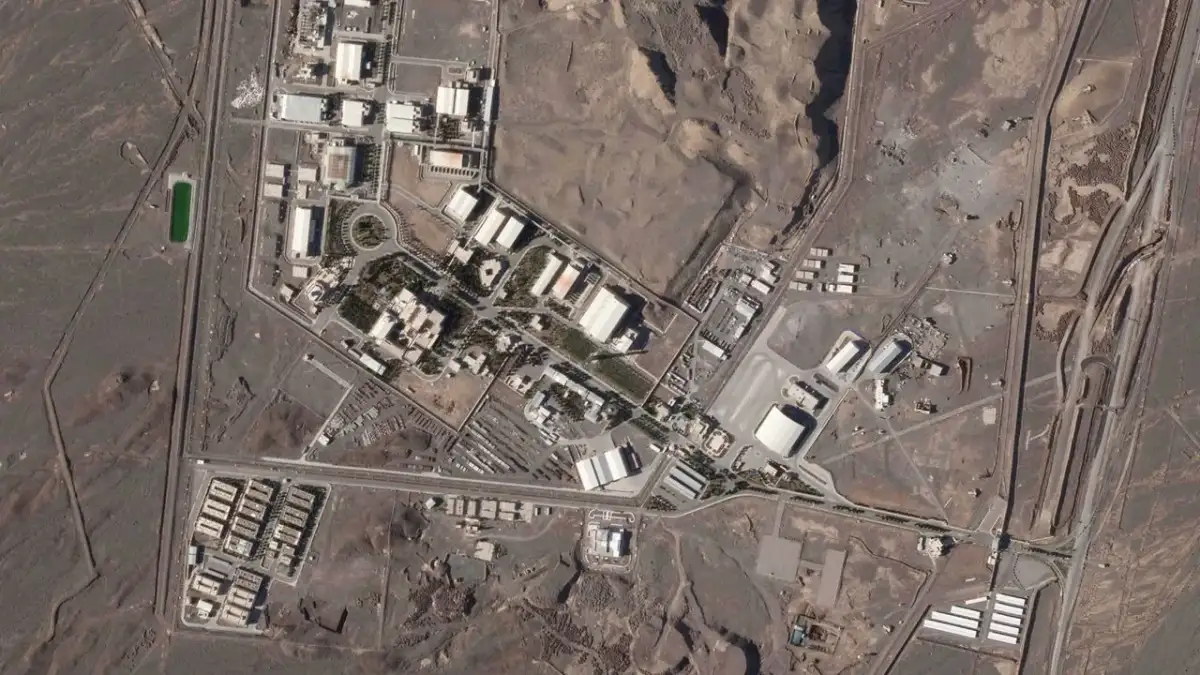
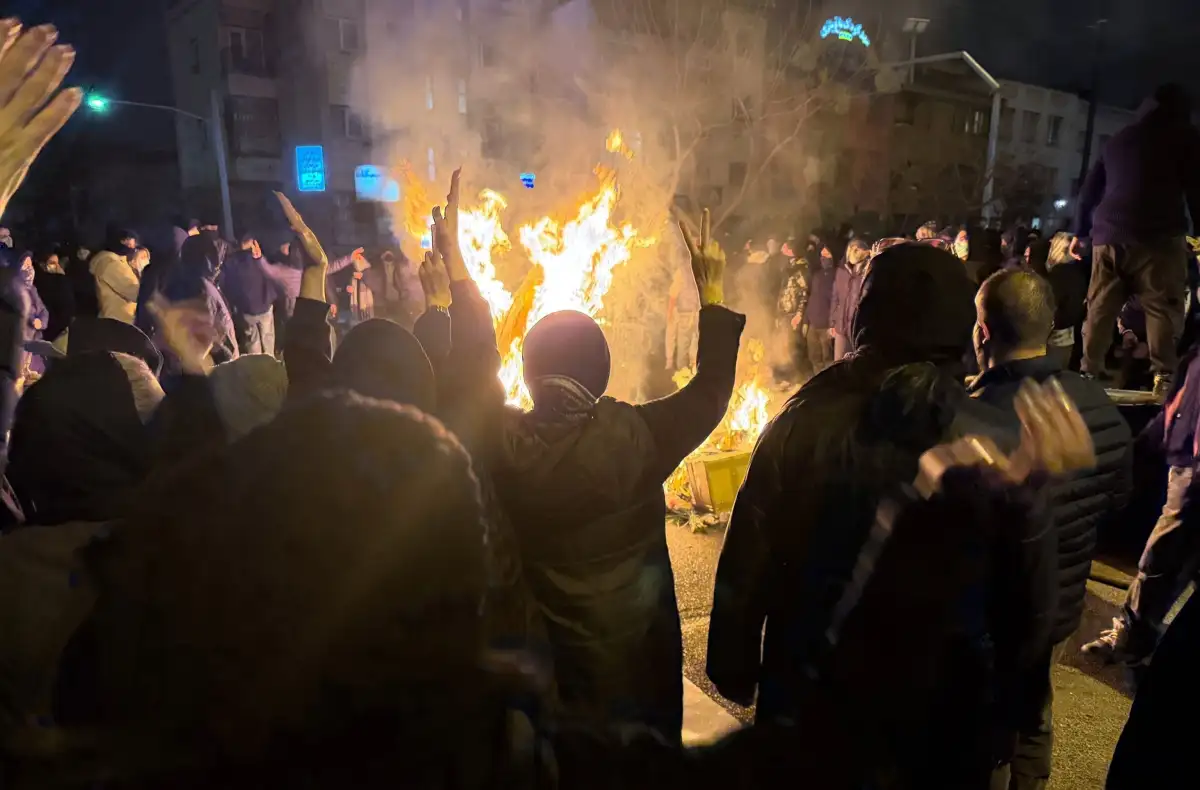
Weeks after security forces forcefully ended widespread public protests, Iran is experiencing a significant surge in arrests. Reports indicate that security agents are detaining individuals, with actions appearing to bypass previous norms regarding legal processes.
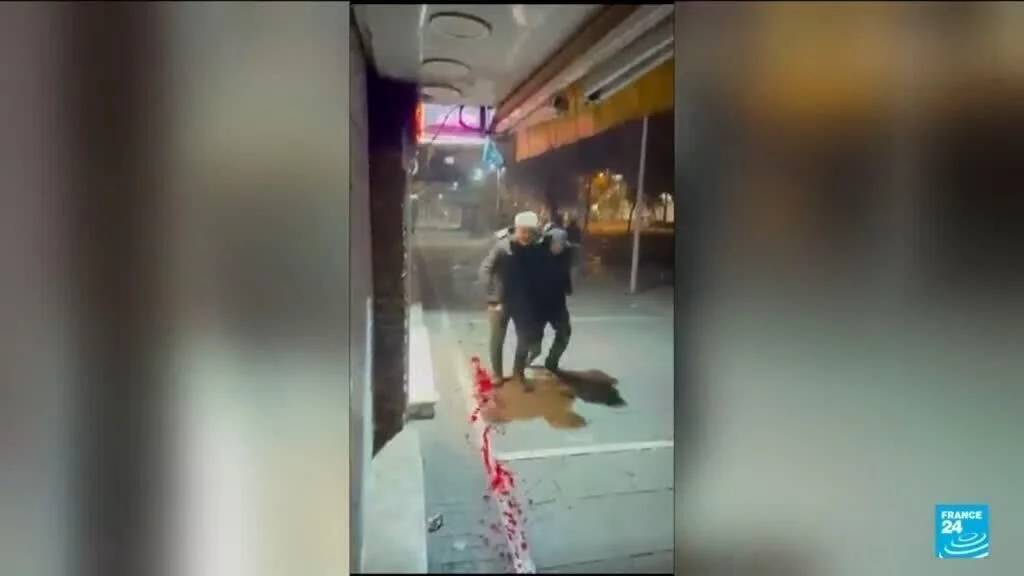
The Iranian government's response to recent demonstrations has escalated, with a notable increase in arrests following a forceful crackdown on protests. Activist groups outside Iran are actively documenting these sweeps. Details from affected families describe early morning raids, suggesting a systematic approach to detaining individuals. The conditions reported at detention facilities, such as Qarchak women's prison, raise concerns about overcrowding and hygiene.
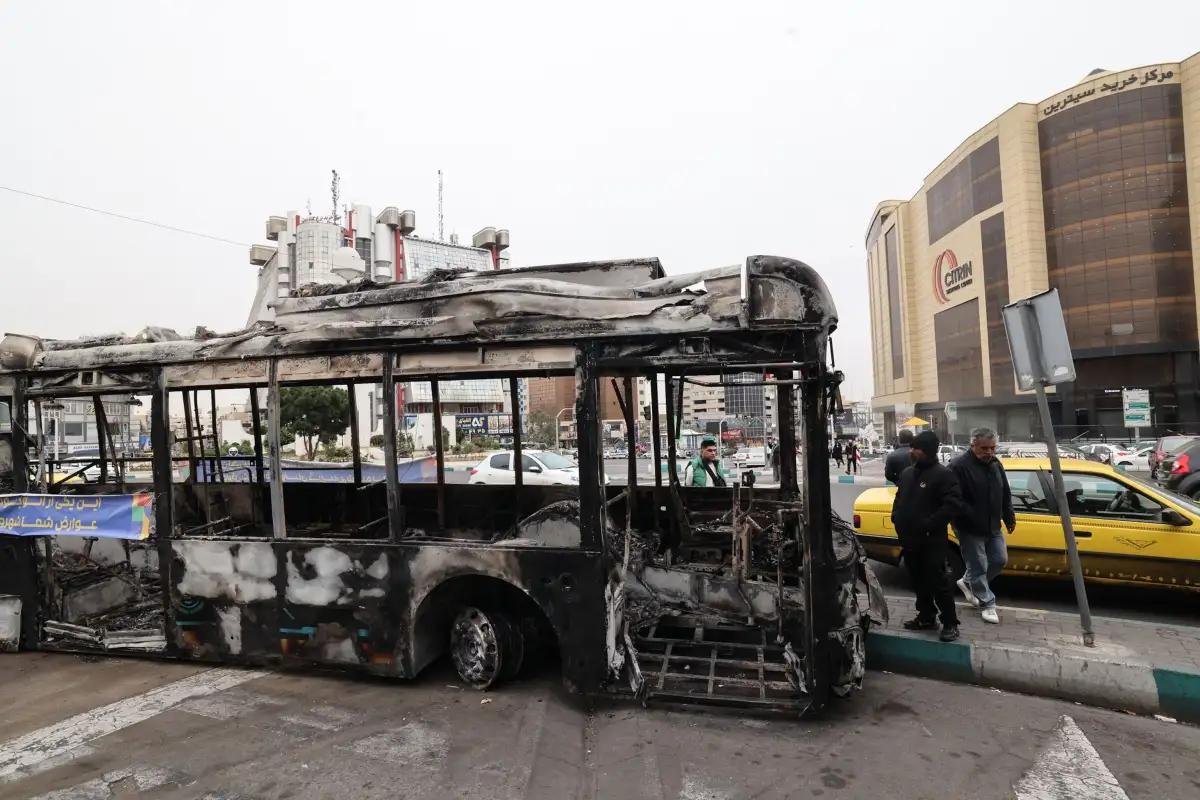
The protests, which spanned all 31 of Iran's provinces, were met with a severe response from security forces. Internet and telecommunication services were shut down for an extended period, a measure described by some as an attempt to conceal actions. Reports from medical professionals suggest that injured protesters were taken from hospitals by security forces.
Read More: Iran Zagros Mountain Nuclear Site Construction Update April 2026
Arrests and Detentions
Evidence points to a widespread campaign of arrests targeting individuals believed to be involved in or connected to the recent protests.
Targeted Raids: Accounts detail security agents arriving at homes, sometimes in the early morning hours, to apprehend individuals.
Shift in Procedure: Observers note a departure from past practices, with arrests seemingly conducted with less adherence to formal legal procedures.
Documentation Efforts: Activist organizations are actively collecting information on these arrests, working to document the scope of the detentions.
Detention Conditions: Reports from prisons, including Qarchak, highlight issues such as overcrowding and a lack of sanitation.
Scope and Duration of Protests
The protests that preceded the current wave of arrests were extensive and significant.
Nationwide Reach: Protests were reported in all of Iran's 31 provinces, indicating broad public dissent.
Government Response: The government's actions included a significant shutdown of internet and telecommunication services, which began on January 8th and lasted for more than a week.
Reported Casualties: Activist figures claim that over 3,919 people were killed during the protests.
Information Control and Transparency
The use of internet shutdowns and the alleged actions within healthcare facilities raise questions about the transparency surrounding the government's actions.
Communication Blackout: The extended internet shutdown was implemented concurrently with the security forces' actions to quell protests.
Hospital Raids: Reports suggest that injured protesters were taken from hospitals by security forces, a detail that requires further verification.
Concerns Over Concealment: The timing and nature of these actions have led to accusations that the authorities are attempting to hide the extent of their crackdown.
Expert Analysis
"The pattern of arrests suggests a move to dismantle any organized opposition or lingering dissent following the suppression of the initial wave of protests. The lack of transparency and reported disregard for due process are significant concerns."
The current situation in Iran is marked by a continuation of state-controlled actions aimed at suppressing dissent following the recent widespread protests. The surge in arrests, coupled with reported disruptions to communication and alleged actions within medical facilities, paints a picture of an ongoing effort to reassert control.
The precise number of individuals arrested remains difficult to ascertain due to the ongoing nature of the detentions and the limited information flow. However, the breadth of reports indicates a substantial sweep across various regions. The actions taken by security forces, including raids on homes and alleged removals from hospitals, are consistent with a strategy to neutralize perceived threats to state authority.
Read More: Taiwan Holds Nantou County Drills to Prepare for State Collapse
Further independent investigation is required to confirm the full extent of the arrests, the conditions of detention, and the exact circumstances surrounding the reported casualties during the protests. The role of the internet shutdown in facilitating these actions and limiting public awareness also warrants continued scrutiny.
Associated Press: Reports on the arrests and the perceived shift in government tactics.
France 24: Provides context on the scale of arrests following the protest suppression.
ABC News: Details the severity of the crackdown and reported casualty figures.
Amnesty International: Offers information on the protests' scope and the government's imposition of internet shutdowns.