


WAVES OF ORDNANCE TARGET ISRAEL, INJURIES REPORTED
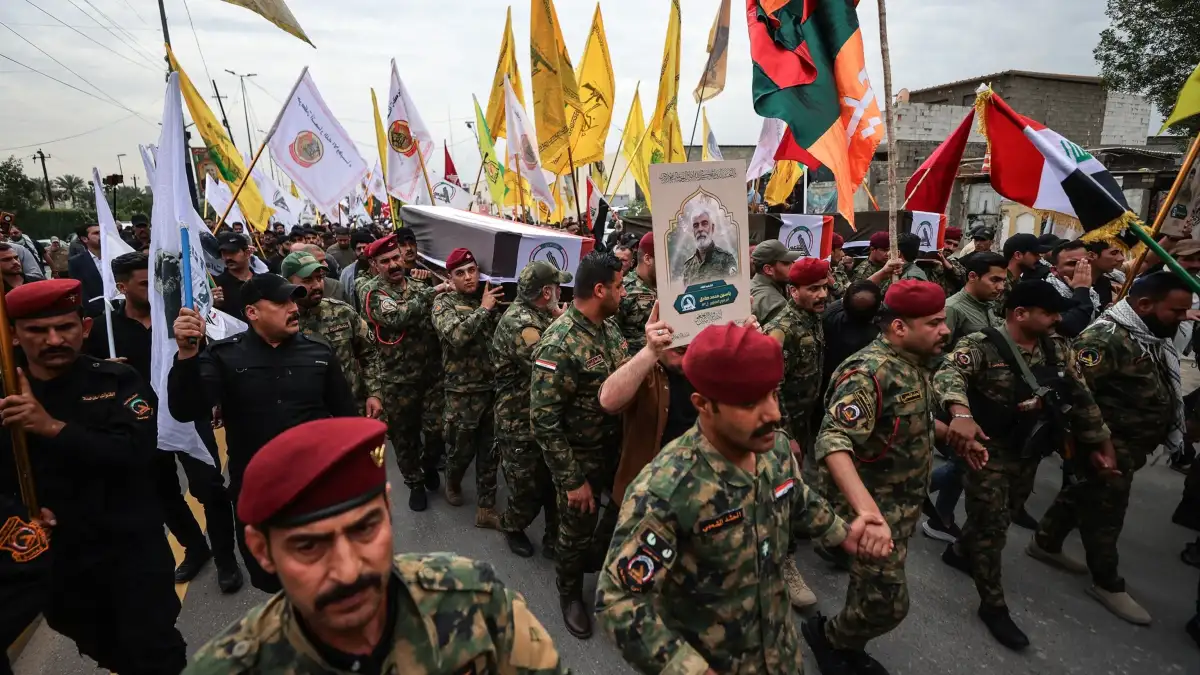
Tel Aviv saw its share of impacts as Iran launched fresh missile barrages toward Israel, according to reports from March 24, 2026. Emergency services in Israel confirmed that at least six people sustained minor injuries. Damage was observed, with firefighters searching for individuals possibly trapped in a collapsed structure. This escalation follows a series of strikes, with Iran stating it hit over 50 targets, including missile storage and launch sites. Israel, in turn, claimed to have conducted strikes within central Tehran on March 23, targeting command centers linked to Iran's Revolutionary Guard Corps and its intelligence ministry.
STRAIT OF HORMUZ REMAINS FLASHPOINT
The Strait of Hormuz continues to be a focal point of escalating threats. President Trump issued an ultimatum, vowing to "obliterate" Iran's power plants within 48 hours if the waterway is not reopened. In response, Iran has declared it would "completely shut" the Strait and target "US energy infrastructure," including power plants in the Middle East, if Trump followed through. This exchange underscores the critical role of the strait in global energy supplies and the potential for broader conflict.
Read More: Iran Attacks US Bases in Middle East After Israel Facility Strikes
REGIONAL CHAOS, DIPLOMATIC UNDERCURRENTS
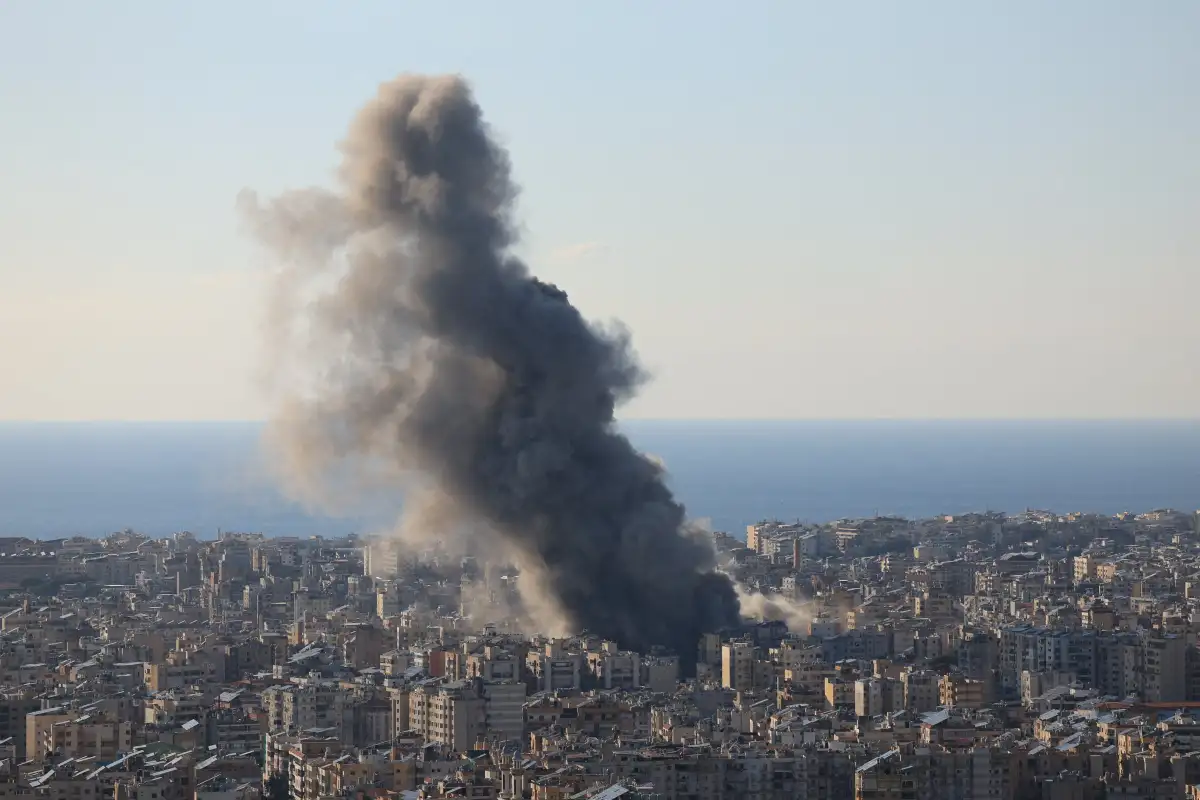
The conflict, now in its fourth week since commencing around February 28, 2026, has rippled across the Middle East. Reports from March 20, 2026, indicated blasts heard in Jerusalem following the detection of incoming Iranian missiles, while Kuwait reported its air defenses responding to hostile drone and missile attacks. Explosions were also noted in Tehran. The US Embassy in Muscat lifted a "shelter in place" order, a detail emerging amidst speculation about potential talks to end the hostilities. Meanwhile, Slovenia introduced fuel rationing, a sign of the wider economic disruption.
NUCLEAR PROGRAMS AND PROLONGED CONFLICT
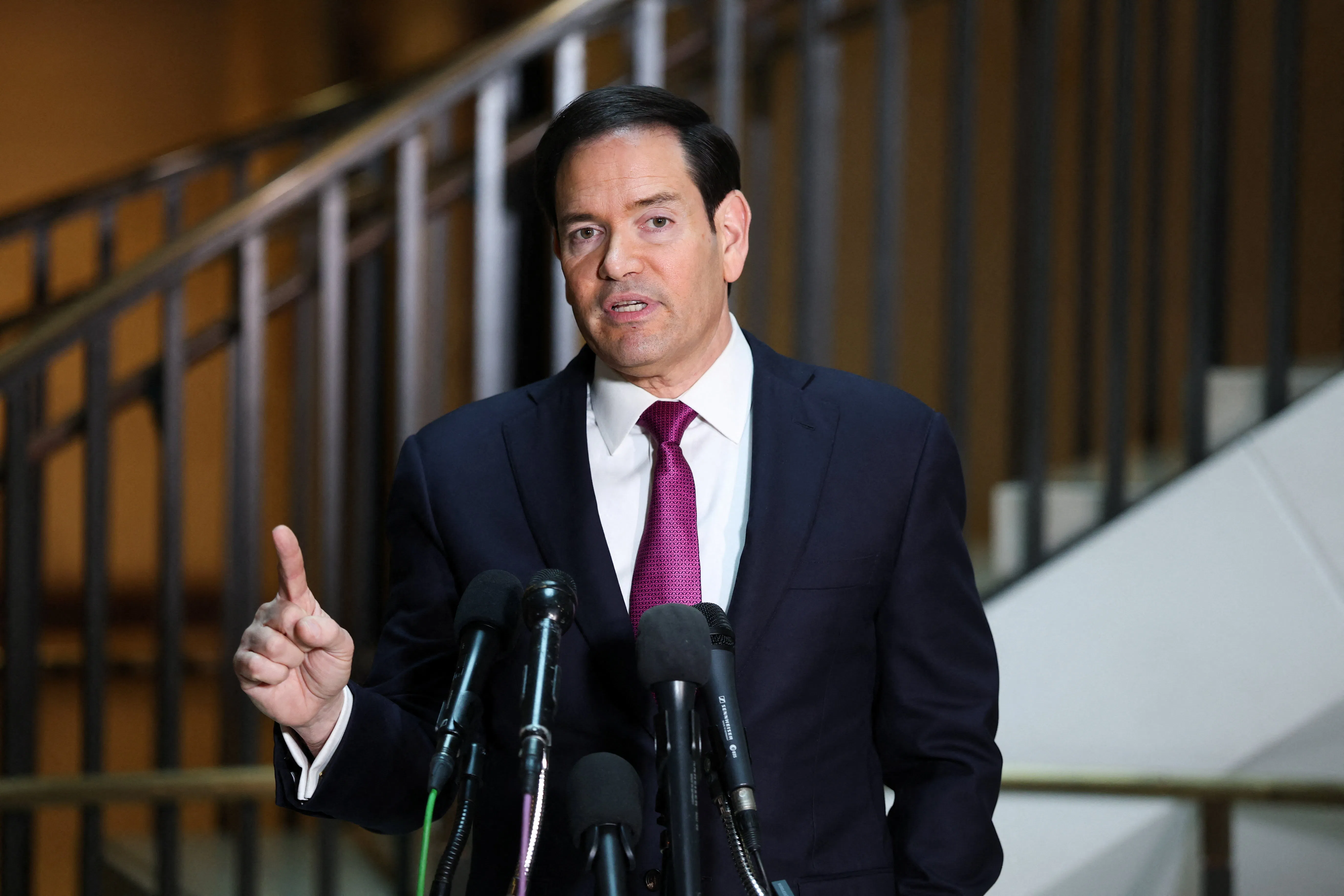
Iran previously threatened to target Israel's nuclear program, specifically mentioning the Natanz enrichment center, in retaliation for an earlier strike. On March 21, 2026, Iran reportedly struck two areas near Israel's primary nuclear research facility, resulting in several injuries. An Israeli military official suggested the conflict was only at its "halfway point," indicating an expectation of prolonged hostilities.
Read More: 2015 Larijani Kissinger Meeting Gains Attention Amidst Middle East Changes
BROADER IMPLICATIONS
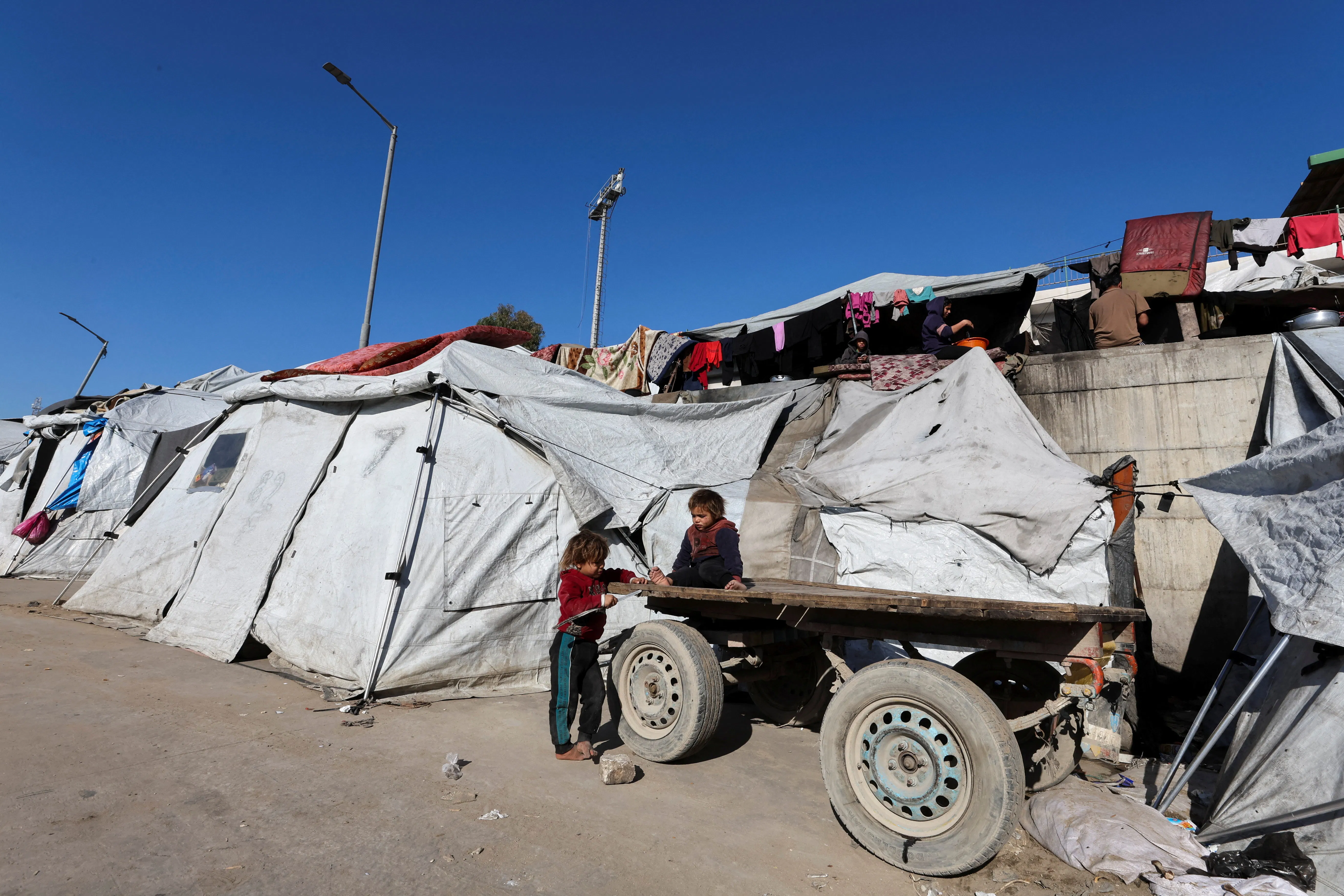
Amidst these developments, the Philippines announced on March 24, 2026, that Iran had agreed to allow Philippine-flagged ships and energy shipments through the Strait of Hormuz. This agreement was reached following a phone call between Philippine Foreign Affairs Secretary Maria Theresa Lazaro and Iranian Foreign Minister Seyed Abbas Araghchi, offering some relief for the Philippines' energy imports. The broader implications for regional stability and global energy markets remain a significant concern.


