Recent events and statements suggest a dramatic shift in Iran's nuclear posture, with escalating pressures potentially pushing the nation towards weaponization. Calls for developing a nuclear bomb have reportedly grown louder, particularly following Israel's military actions last year that resulted in the deaths of key Iranian military and nuclear figures. The potential reversal of the current Supreme Leader Mojtaba Khamenei's stance on nuclear weapons, a doctrine previously established by his father, looms as a significant turning point.
The crucial element appears to be Mojtaba Khamenei's public stance on the existing religious edict forbidding nuclear weapons. If this fatwa is overturned, Iran could possess the capability to produce multiple nuclear devices.
Further compounding this volatile situation, recent orders from President Trump to strike three of Iran's most significant nuclear facilities have seemingly removed Iran's previous incentives for restraint. Experts observe that the surviving Iranian leadership is now contending with increasing internal pressure to alter the country's nuclear policy.
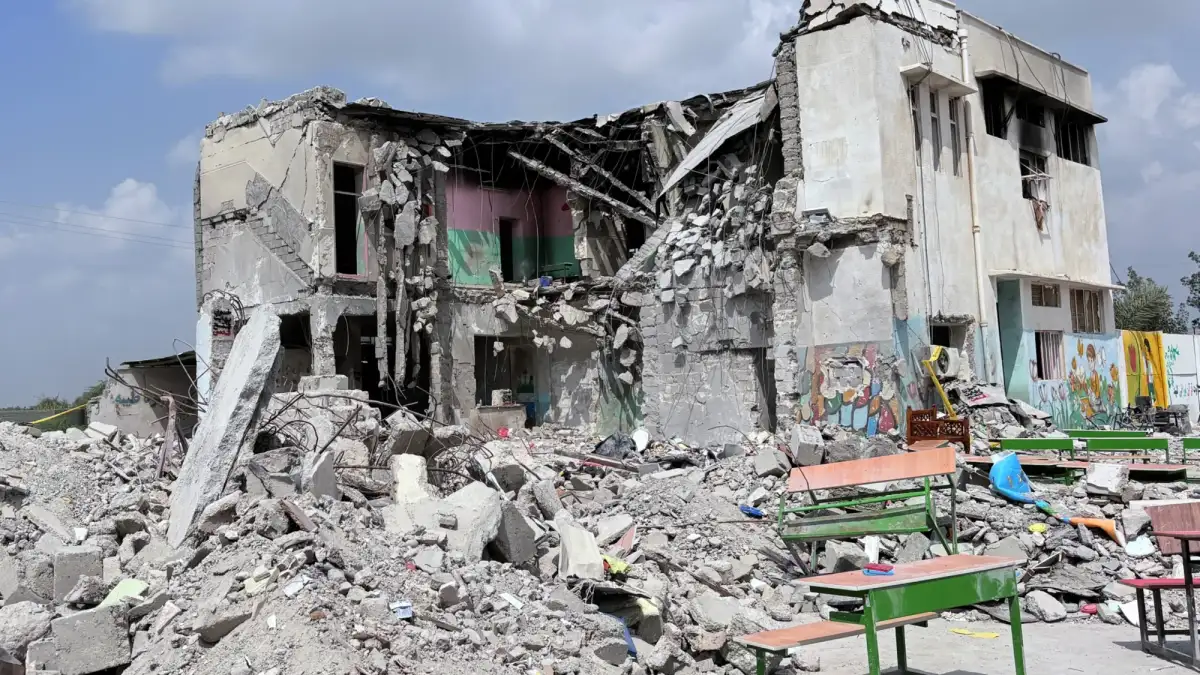
Read More: Iran Says US Linked to Deadly School Strike and Hormuz Tensions on March 17
Deepening Defenses and Escalating Deterrents
The United States, through President Trump's directives, has signaled a heightened focus on disrupting Iran's nuclear program. These strikes, targeting critical nuclear infrastructure, underscore a strategy aimed at dismantling Iran's capabilities.
The discussion around Iran's nuclear ambitions also intersects with advanced military hardware. Reports highlight the existence of the GBU-57/B Massive Ordnance Penetrator (MOP), a formidable non-nuclear bomb specifically designed to breach deeply buried targets. This weapon, weighing approximately 30,000 pounds, is engineered to penetrate significant depths of rock, a capability that has been the subject of intense speculation, especially in the context of the recent Israel-Iran conflict. Its design, a dense cylinder, concentrates immense energy to overcome hardened underground structures, such as Iran's fortified nuclear facilities.
A Shifting Doctrine and Geopolitical Repercussions
The strategic landscape surrounding Iran's nuclear program has been defined by decades of international scrutiny and sanctions. However, the assassination of prominent Iranian figures and recent military actions appear to have fundamentally altered the calculus.
Read More: Two-Week Ceasefire Between US, Israel, and Iran Starts Tuesday
The supreme leader's pronouncements carry immense weight in Iran's political and religious framework. The fatwa issued by Ayatollah Khamenei previously served as a doctrinal barrier against the development of nuclear weapons. Any deviation from this established position, particularly under the leadership of his son, Mojtaba, would signal a profound strategic reorientation. The ensuing domestic pressures within Iran, coupled with external provocations, create a complex web of factors influencing the nation's ultimate decision on pursuing nuclear capabilities.