
As of May 19, 2026, international health authorities are monitoring a widening Ebola outbreak in the Democratic Republic of Congo (DR Congo). Reports confirm that at least six American citizens have been exposed to the virus while operating in the region. Among these individuals, three were subjected to high-risk contact, and at least one has reportedly exhibited symptoms.

The World Health Organization (WHO) has formally declared the outbreak a Public Health Emergency of International Concern, noting that the virus has spread to Uganda, where one death and two confirmed cases have been recorded.
Current Situation and Official Response
The situation remains volatile as the government of the DR Congo works to contain the pathogen, which has claimed at least 131 lives with over 513 suspected cases reported across an expanding geographical area.
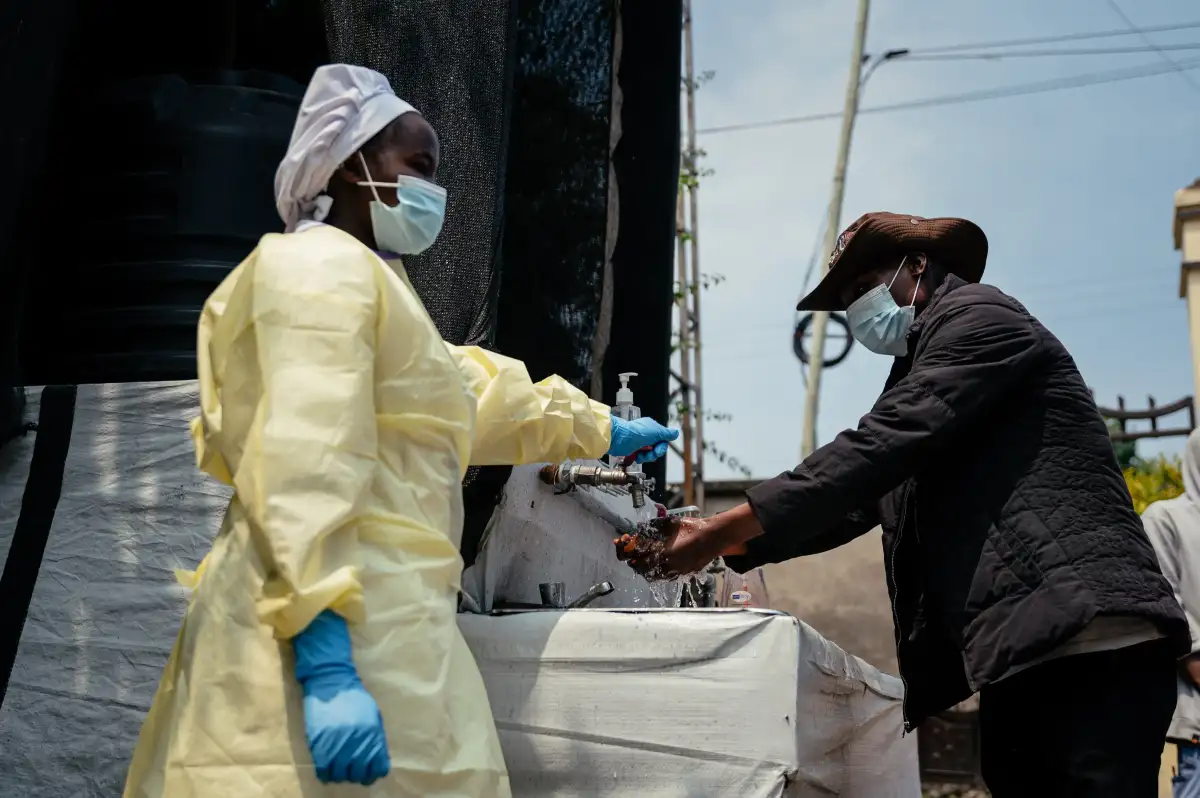
Evacuation Protocols: The U.S. government is actively coordinating the transport of the exposed American citizens to secure quarantine facilities.
Travel Restrictions: The U.S. State Department has implemented a Level Four travel advisory, the highest tier, strictly warning against all travel to the affected areas of the DR Congo.
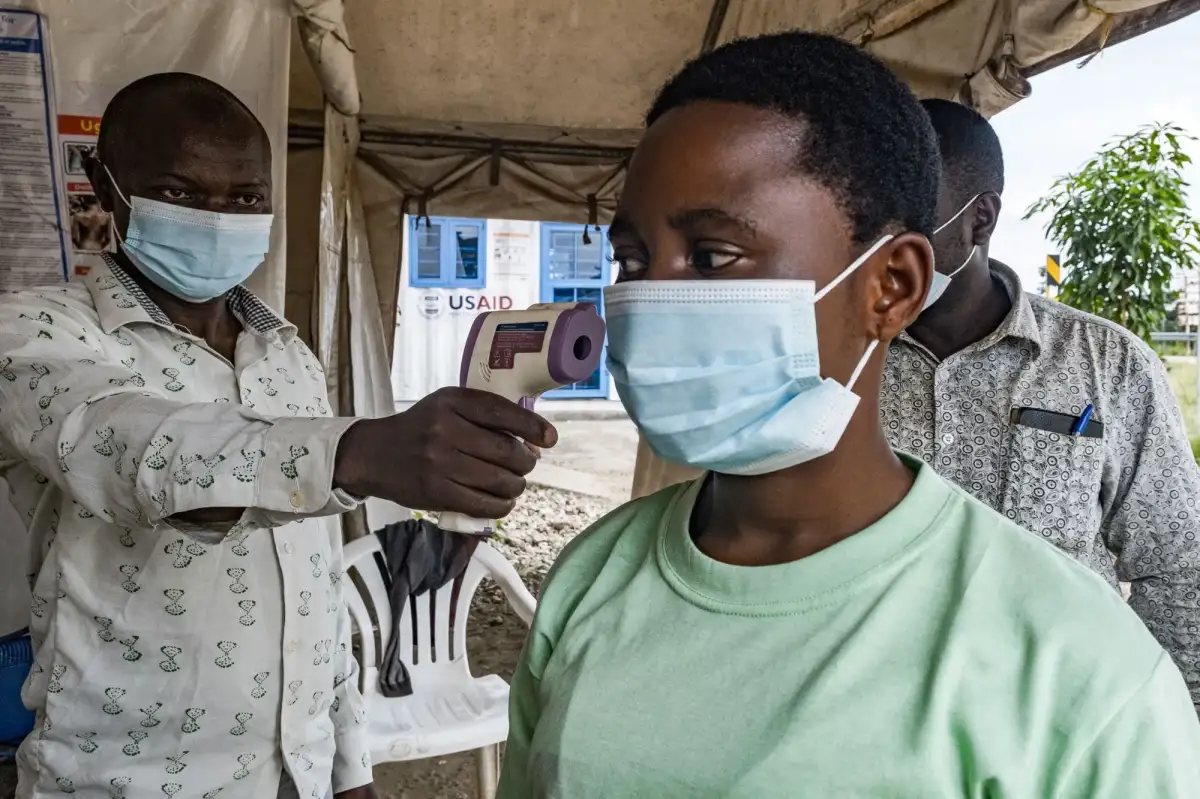
Risk Assessment: Despite the alarm, the Centers for Disease Control and Prevention (CDC) maintains that the risk to the general public within the United States is currently classified as low.
Clinical Context and Virus Transmission
Medical experts emphasize that Ebola Virus Disease is not transmissible through air or casual social contact. Infection occurs primarily through direct interaction with the bodily fluids of a symptomatic host.
Read More: India IVF Costs And Social Barriers Limit Access In April 2026
| Data Metric | Reported Status (Approximate) |
|---|---|
| Total Suspected Cases | 513+ |
| Confirmed Fatalities | 131+ |
| American Exposure Count | 6 (3 High-risk) |
| Primary Region | Ituri Province (DR Congo) |
Investigative Overview
The current outbreak, initially identified in the eastern Ituri province, presents significant diagnostic challenges. Earlier reports suggested a potential struggle with strain identification, as initial testing protocols focused on the Zaire strain, while evidence indicates the presence of the Bundibugyo strain, which reportedly circulated undetected for several weeks.
The WHO continues to advocate for rigorous cross-border screening between the DR Congo and Uganda to mitigate further transmission. While the emergency designation is active, international health bodies clarify that the outbreak has not met the formal criteria for a Pandemic. Current response efforts highlight systemic vulnerabilities in local healthcare infrastructure and an immediate requirement for stabilized vaccination access and enhanced surveillance systems.
Read More: Fikra API Africa Mobile Money AI Access for Developers